ARCHITECTURE OF ECLECTIC: The Arseny Morozov Mansion
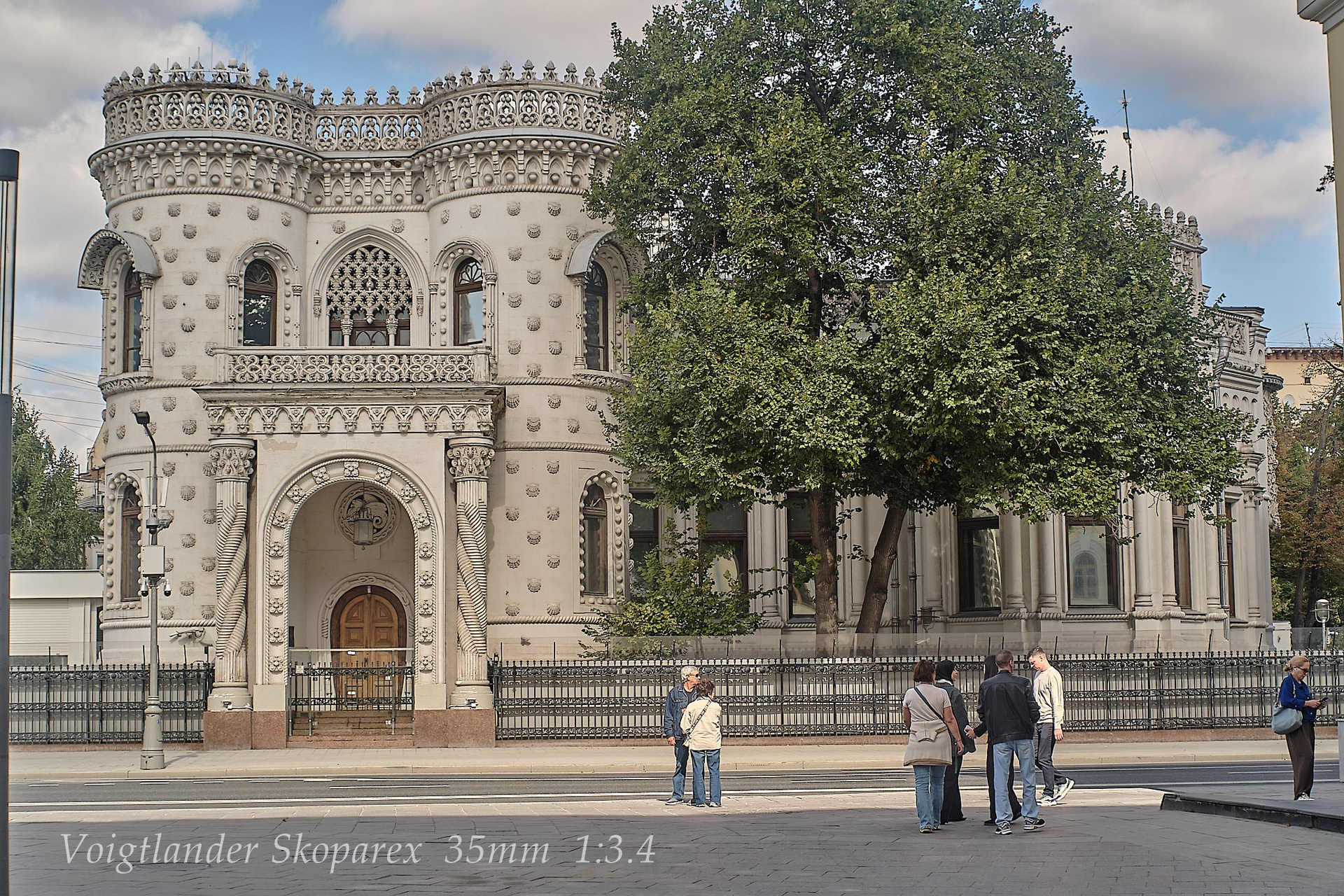







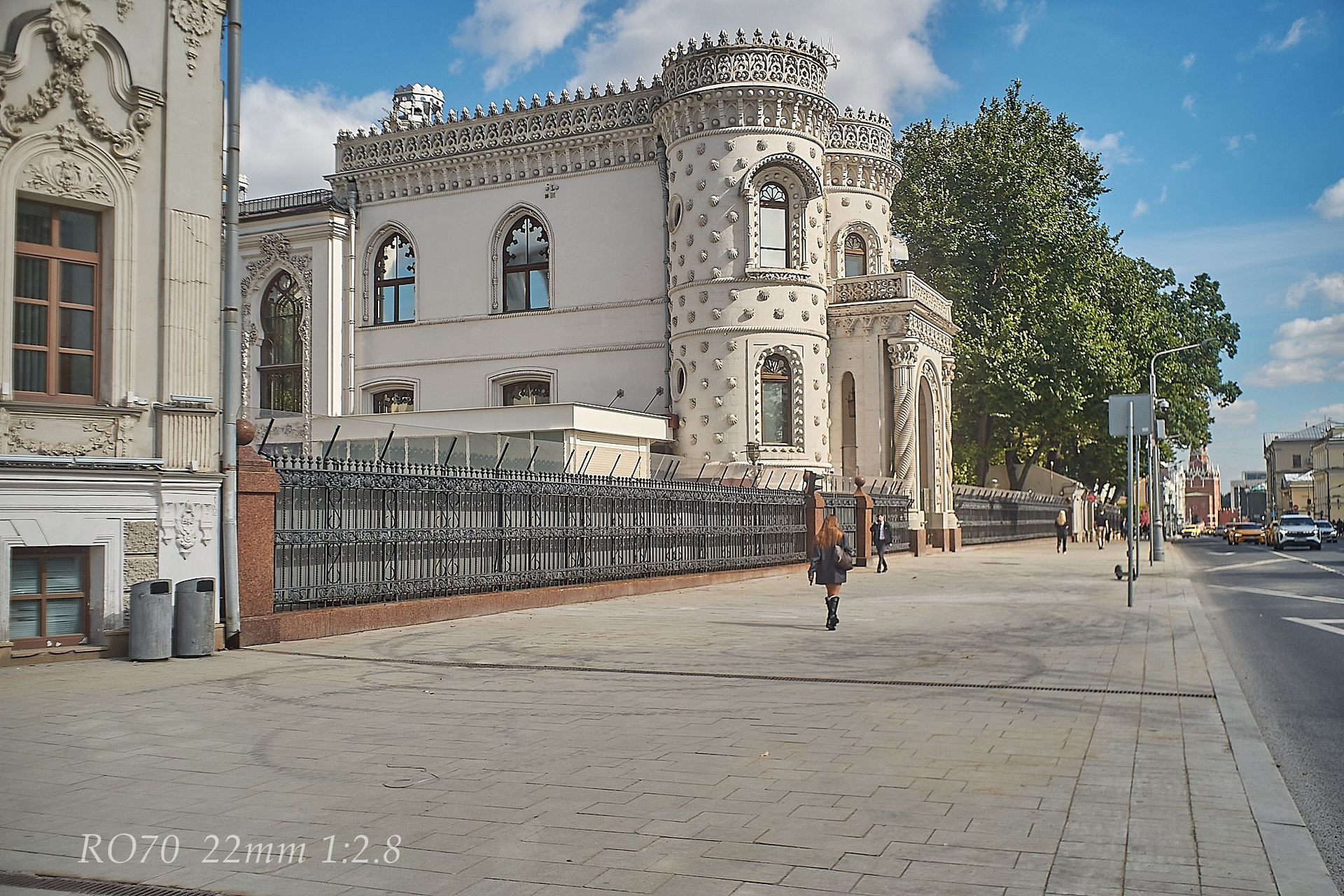
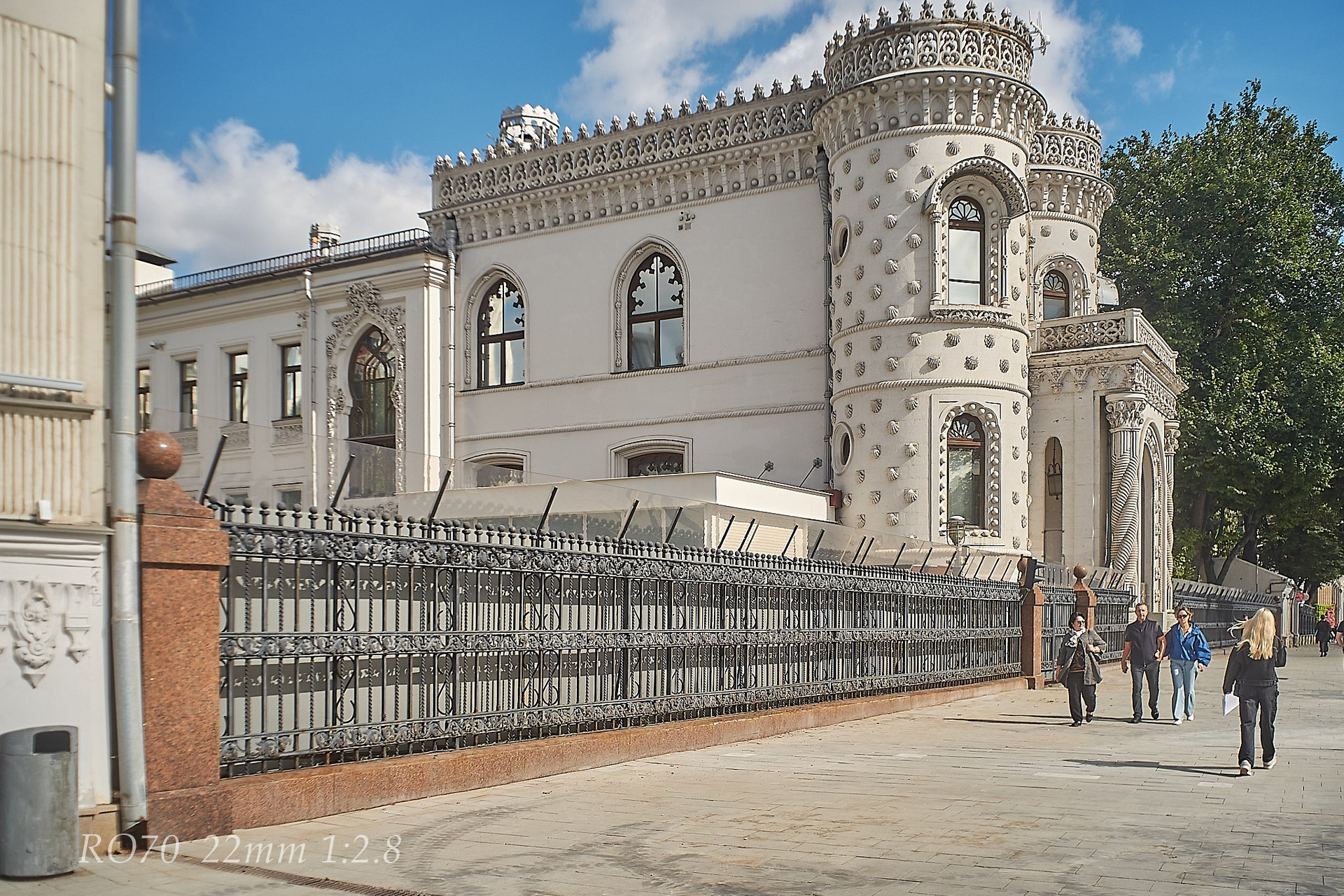




The Arseny Morozov Mansion
Arseny Abramovich Morozov (1873–1908/1909) was a member of the Morozov merchant dynasty, best known as the owner of one of Moscow’s most unusual and eccentric mansions.
Who he was
- Background. Arseny belonged to the famous Morozov dynasty. He was the youngest son of Abram Abramovich Morozov and Varvara Alekseevna Khludova.
- Status. A hereditary honorary citizen and a shareholder in the Tver Manufactory Partnership. However, he showed little interest in the family textile business; his mother and older brother managed the affairs.
- Legacy. He is remembered as an aesthete, traveler, and collector. He was passionate about art and collected rare books and engravings. He traveled extensively throughout Europe (including an internship in England in 1893).
Which styles are blended here?
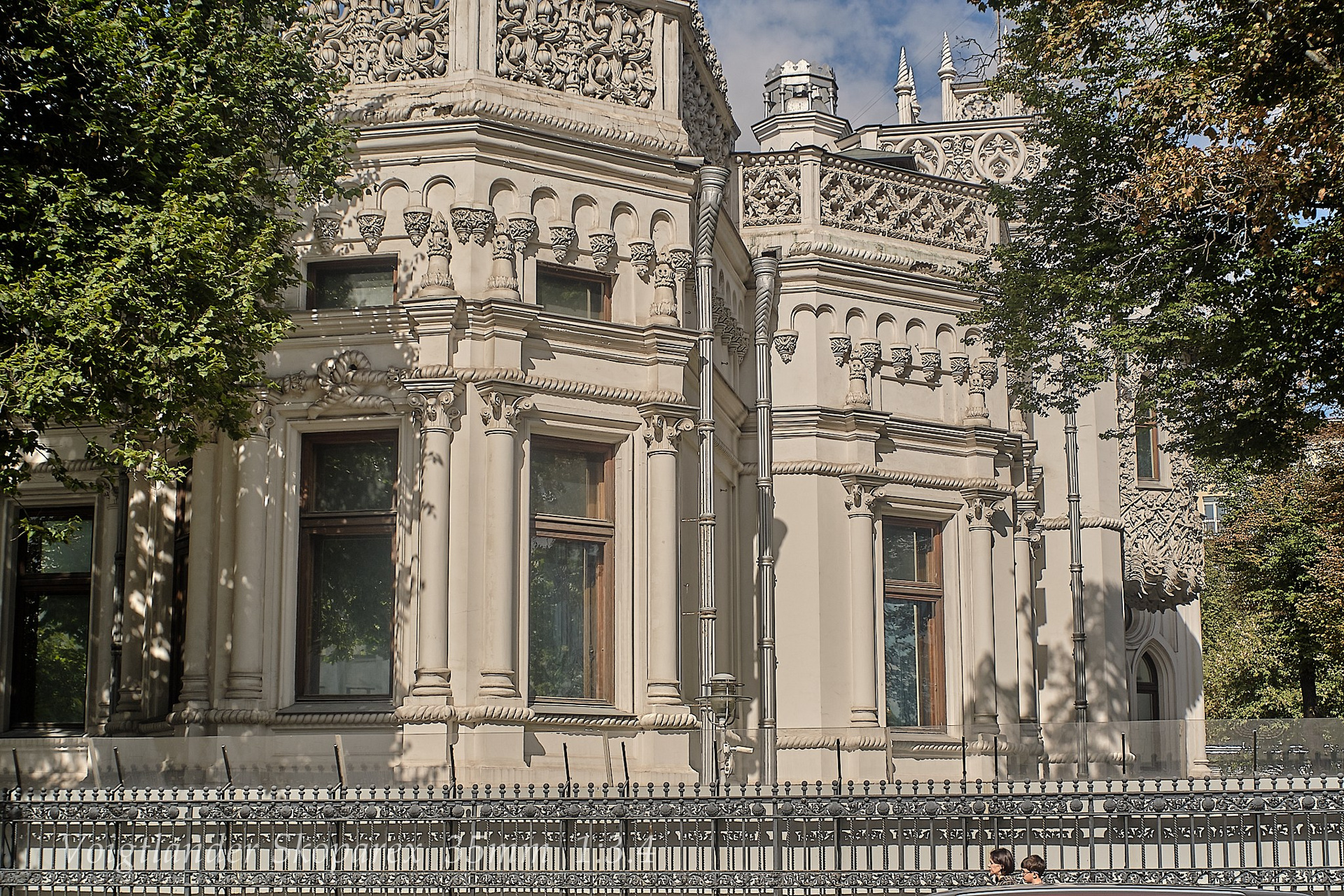
The architectural style of the Arseny Morozov mansion is eclectic. However, this is not merely a random mix of styles; there is a pronounced Neo-Moorish influence within that eclectic framework.
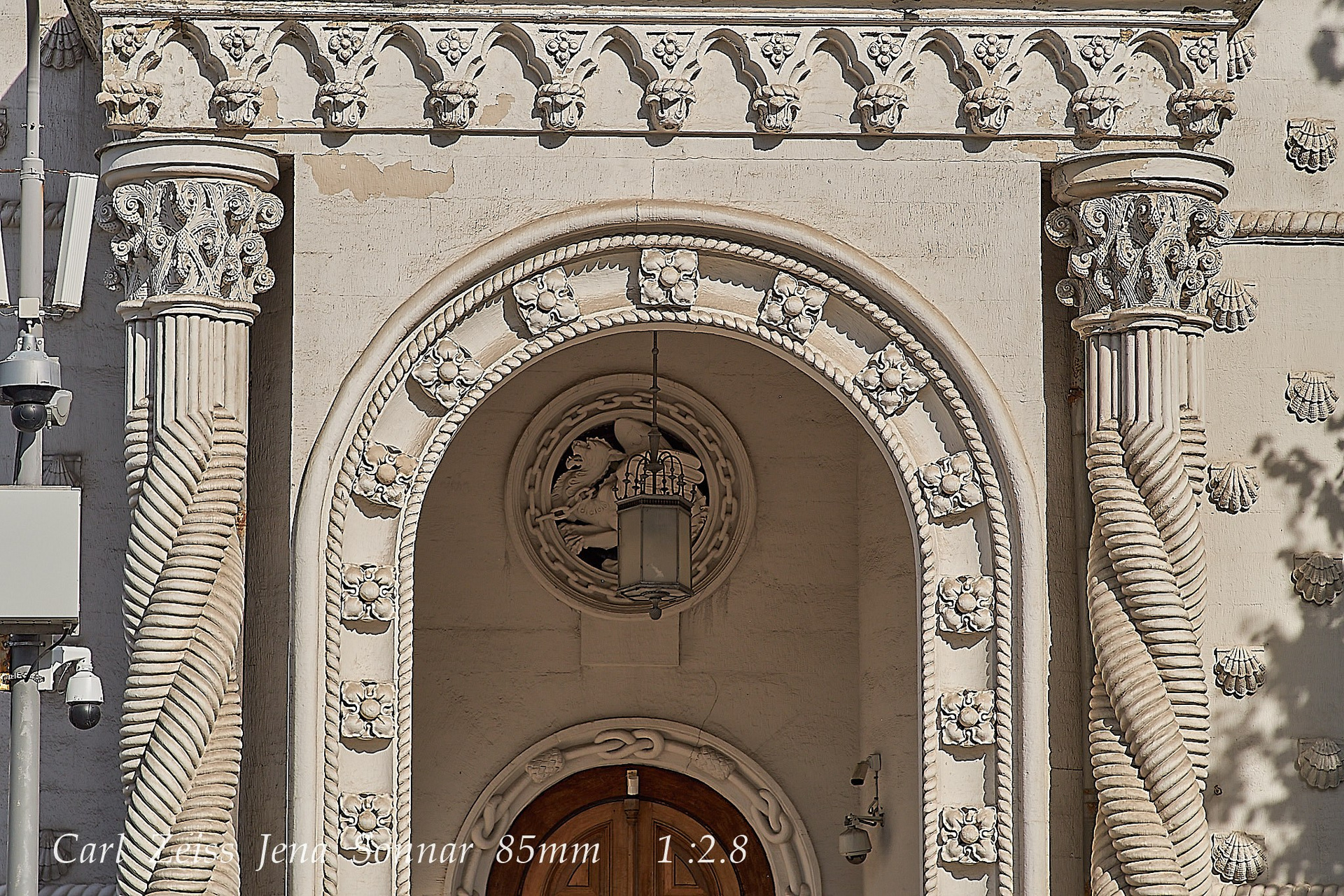
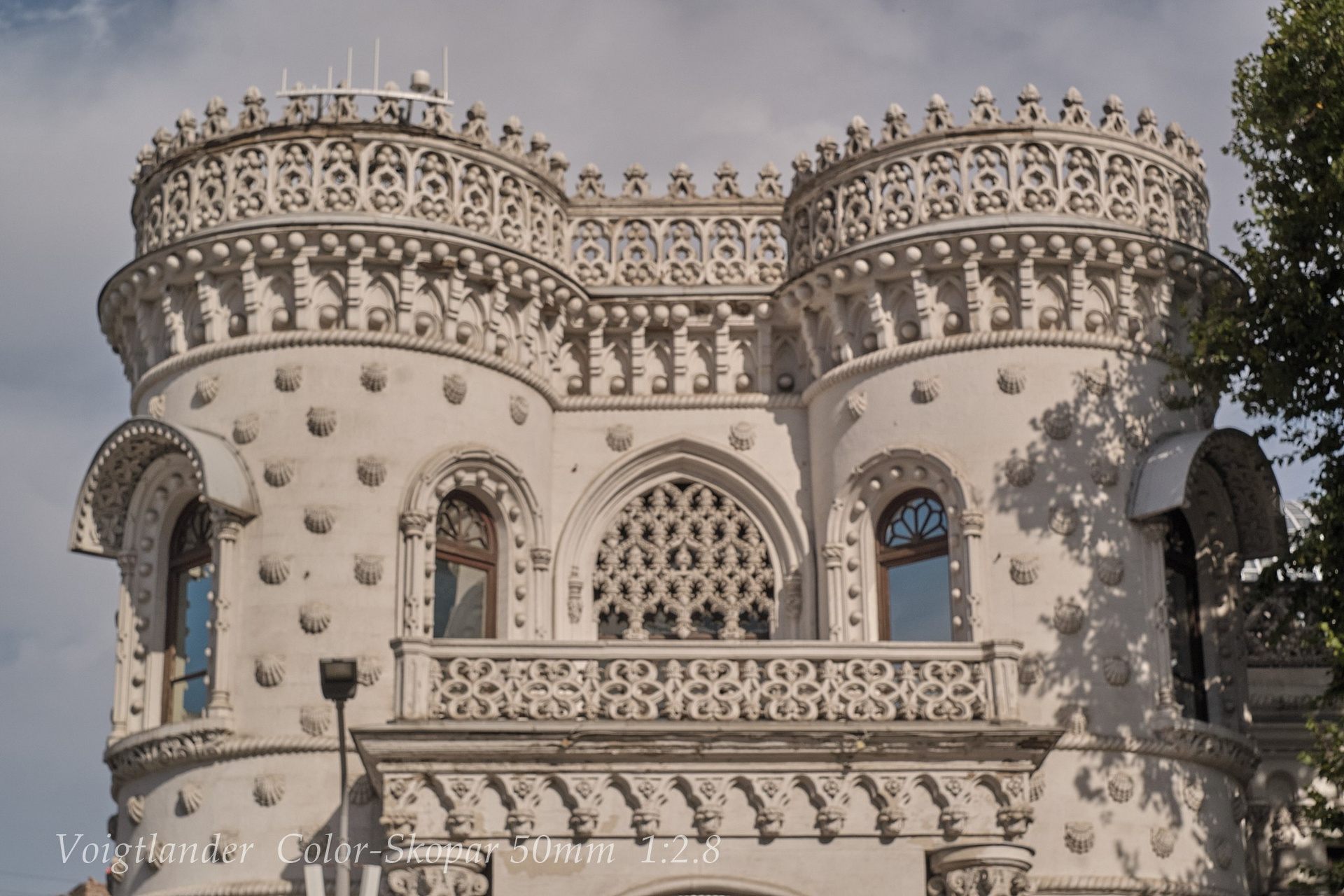
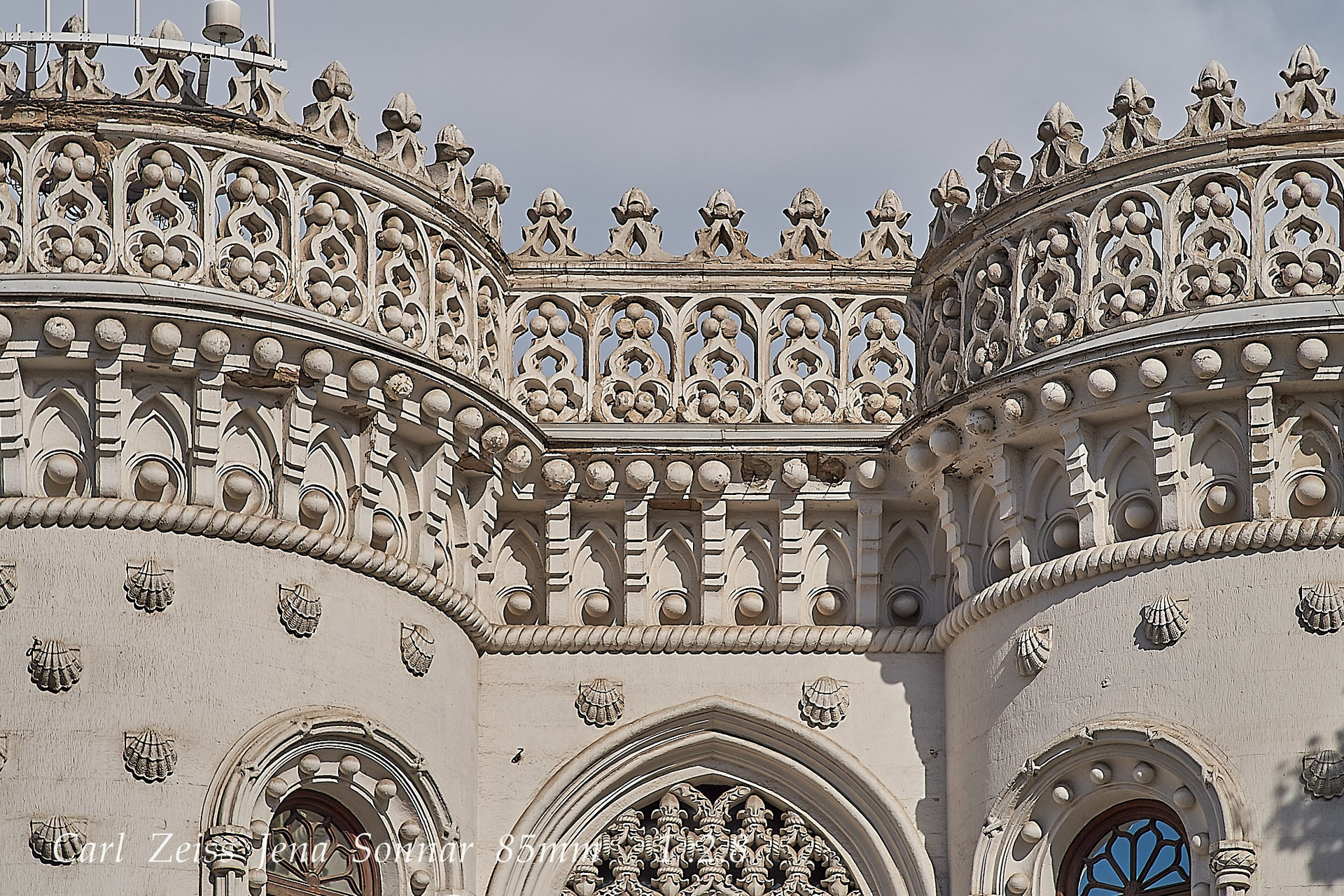
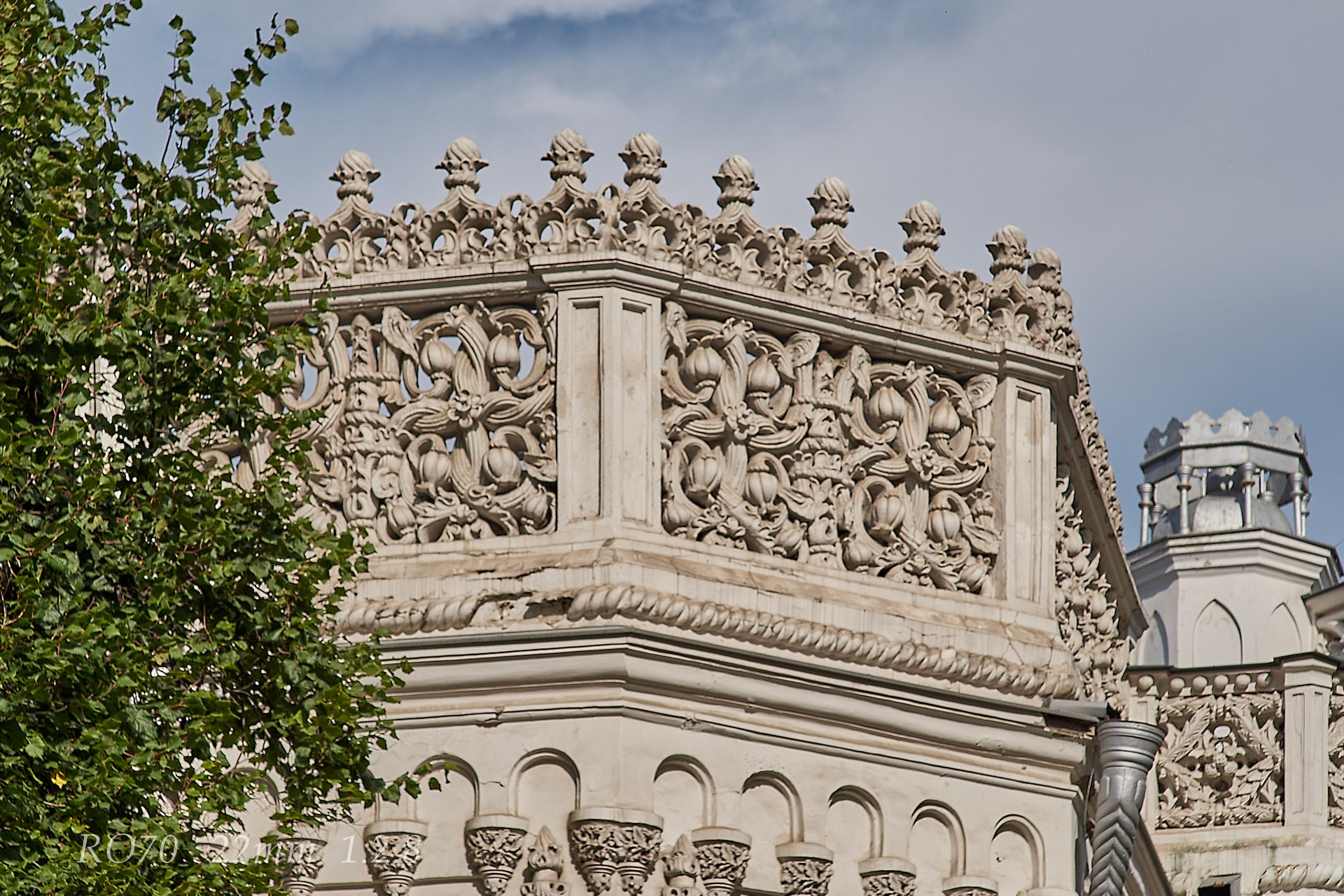
- Neo-Moorish style — most clearly evident in the design of the main entrance and the two side towers. Here, one sees horseshoe arches, twisted columns (resembling ship’s ropes), and stucco molding featuring floral rosettes.
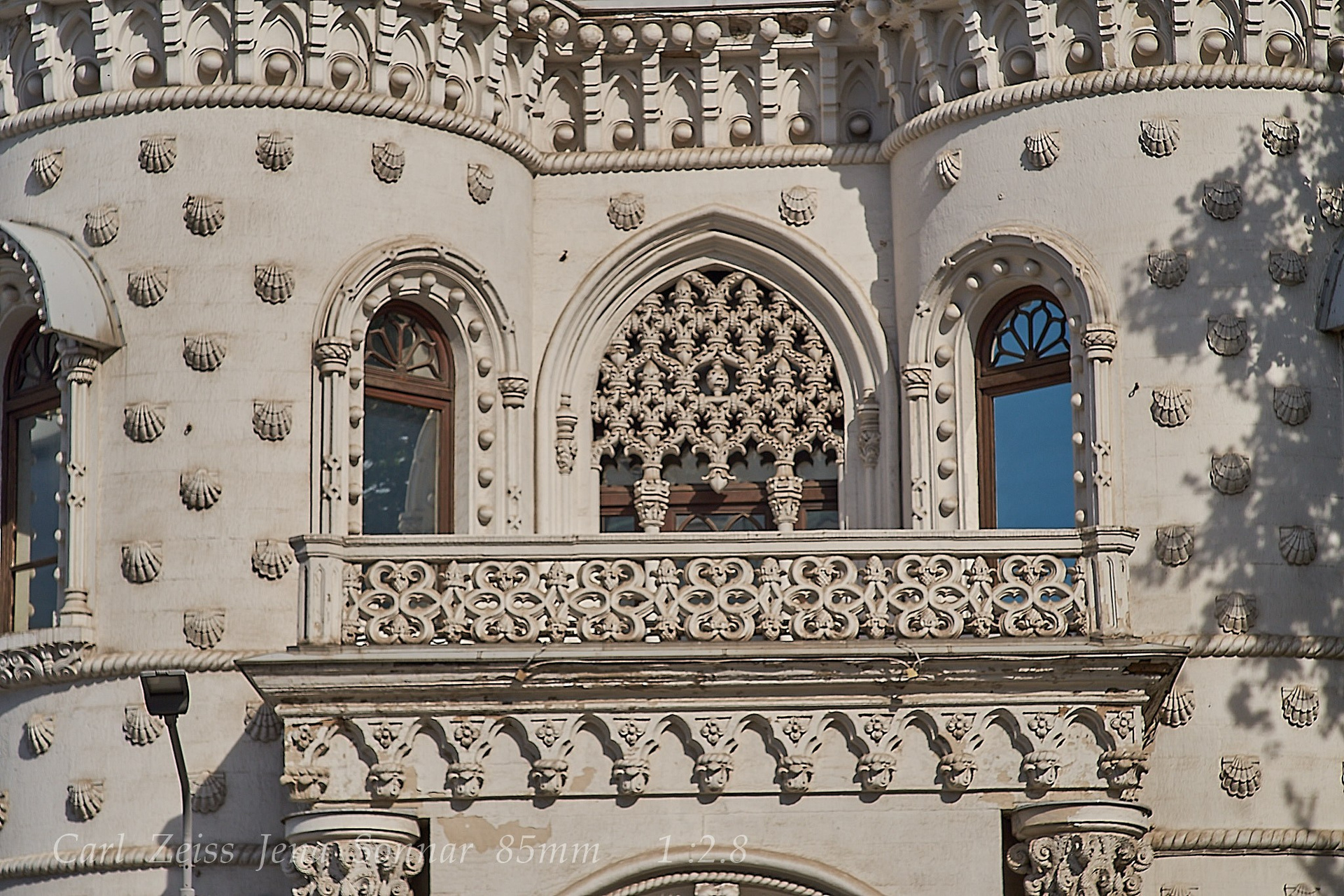
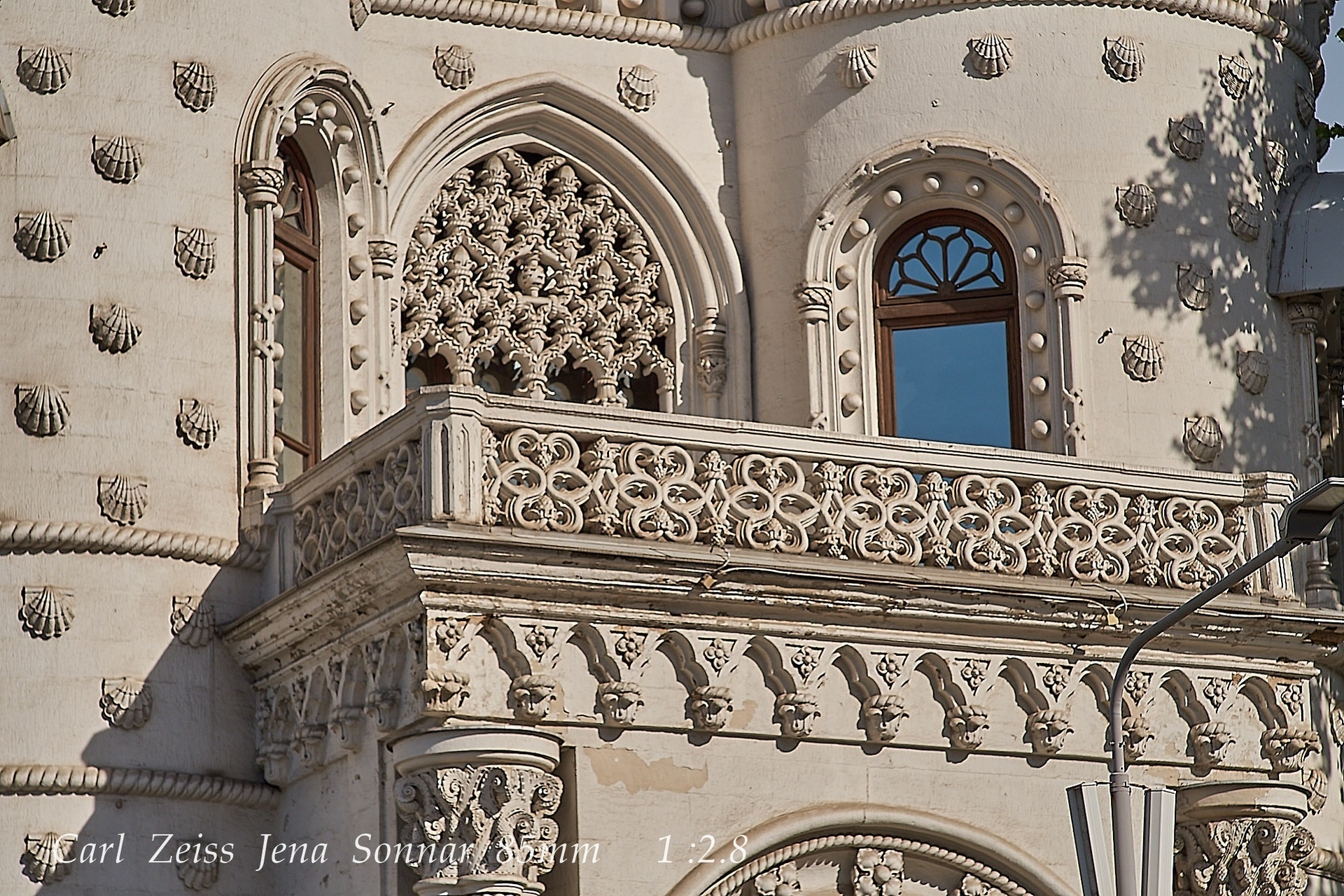
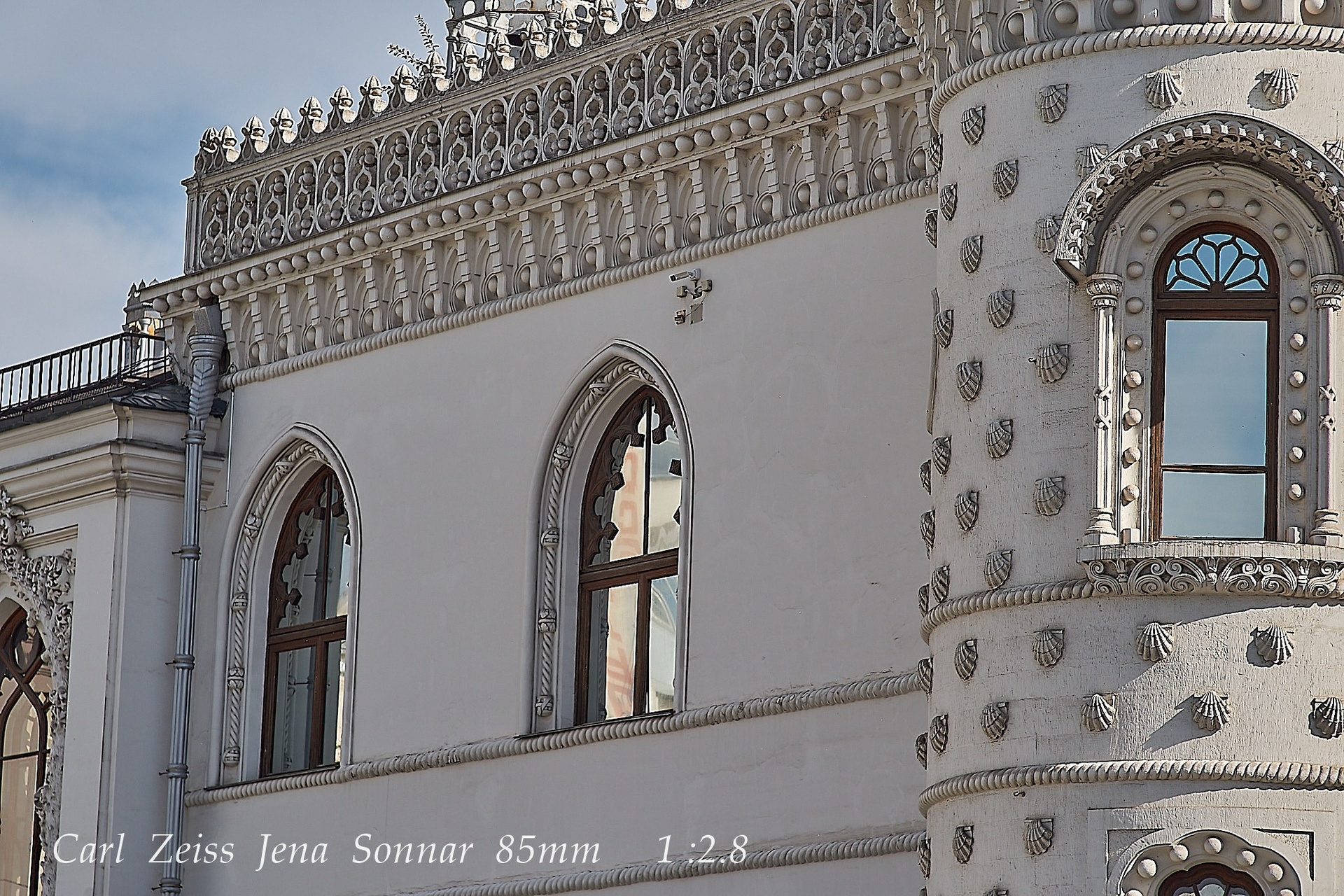
- Manueline — a Portuguese Renaissance style. Its motifs dominate the facades: rich stucco ornamentation featuring botanical and maritime elements (seashells, ship’s ropes, pomegranates).
- Neo-Gothic — pointed (lancet) windows and sharp-tipped stone elements on the roof that resemble the crenellations of Gothic towers.
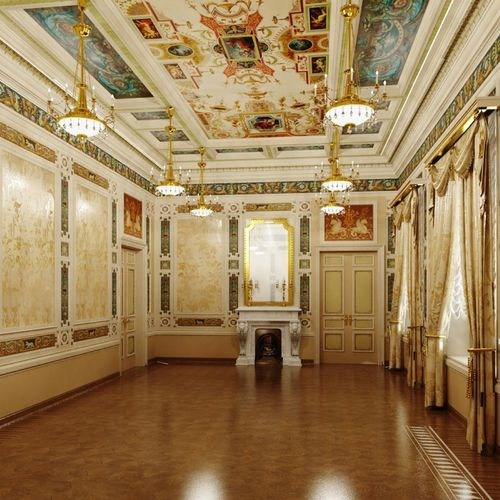
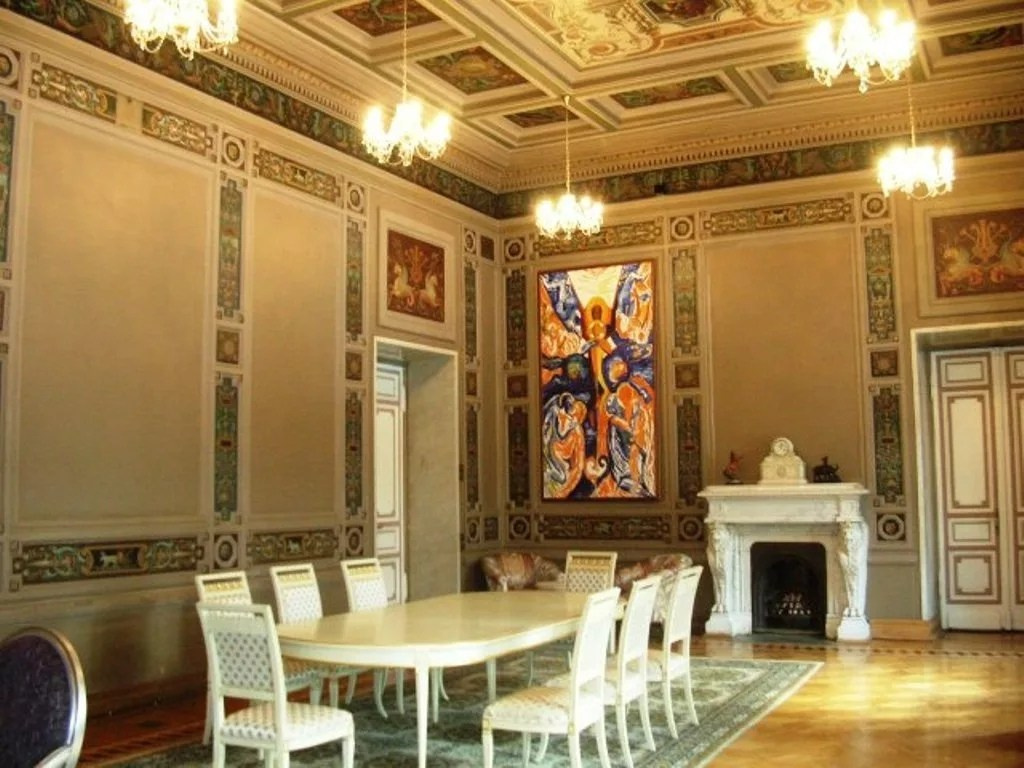
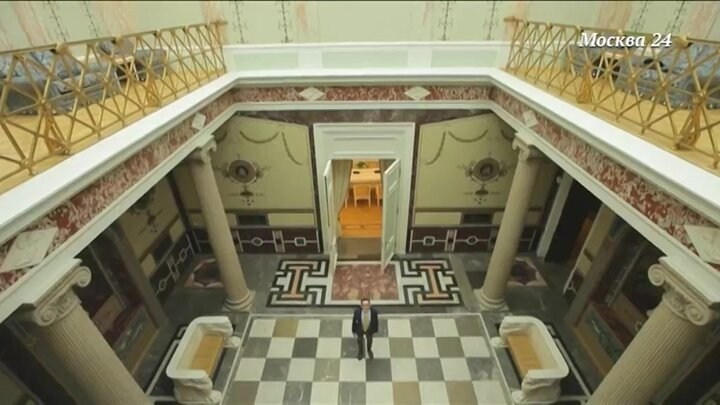
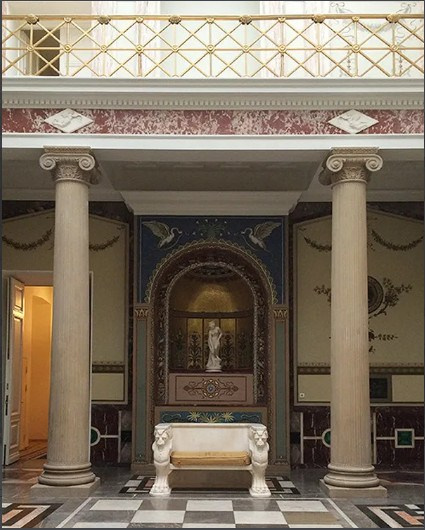
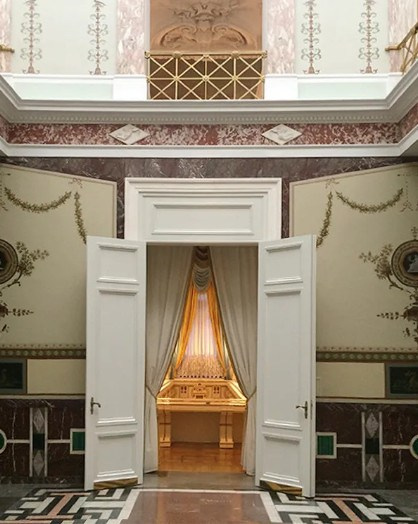
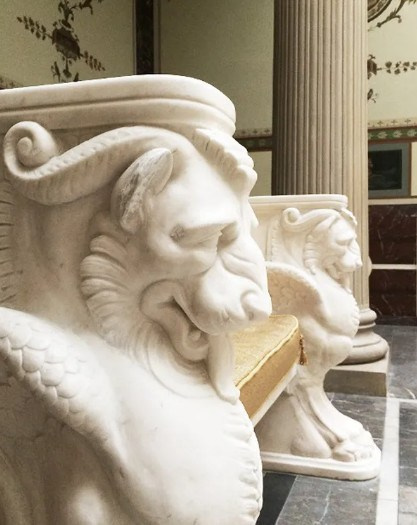
- The building also incorporates elements of Baroque, Empire, and Rococo styles, as well as Chinese-style influences in the interiors.
How did this come about?
The architect Viktor Mazyrin (a friend of the client, Arseny Morozov) drew inspiration from the Pena Palace in Sintra, Portugal. That castle is itself a striking example of eclecticism, combining Gothic, Moorish, Neo-Romanesque, and Manueline motifs. Mazyrin deliberately eschewed strict symmetry, opting instead for an asymmetrical composition. arbat-house.commag.russpass.ruum.mos.ru
Conclusion
The mansion is one of the most striking examples of eclecticism in late 19th-century Moscow architecture. It is often referred to as the “House with Seashells” due to the abundance of seashell-shaped stucco ornamentation on its façade. At the same time, the Neo-Moorish style has become the building’s signature feature.