
The Vera Firsanova Mansion — A temple of cleanliness transformed into a temple of art
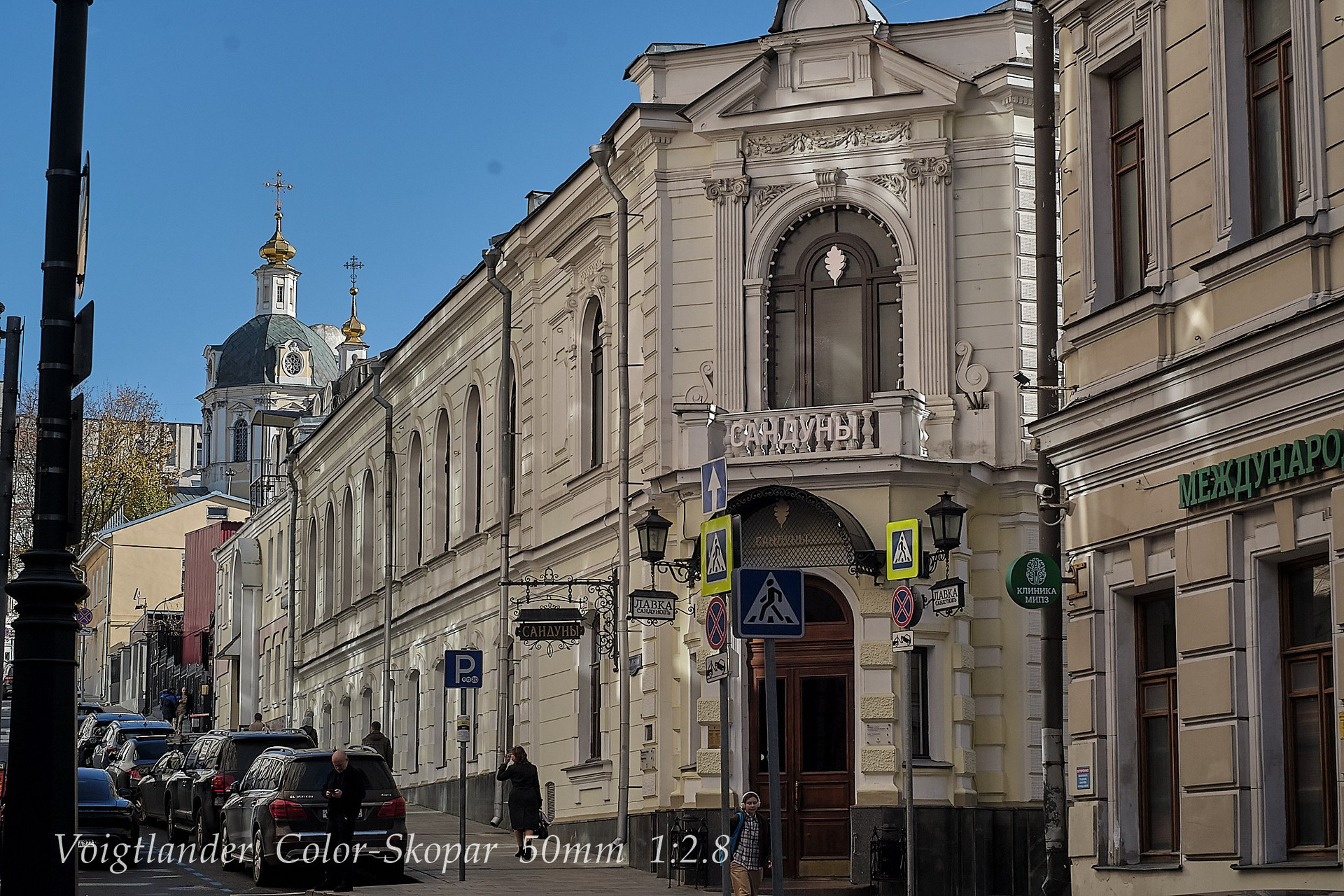
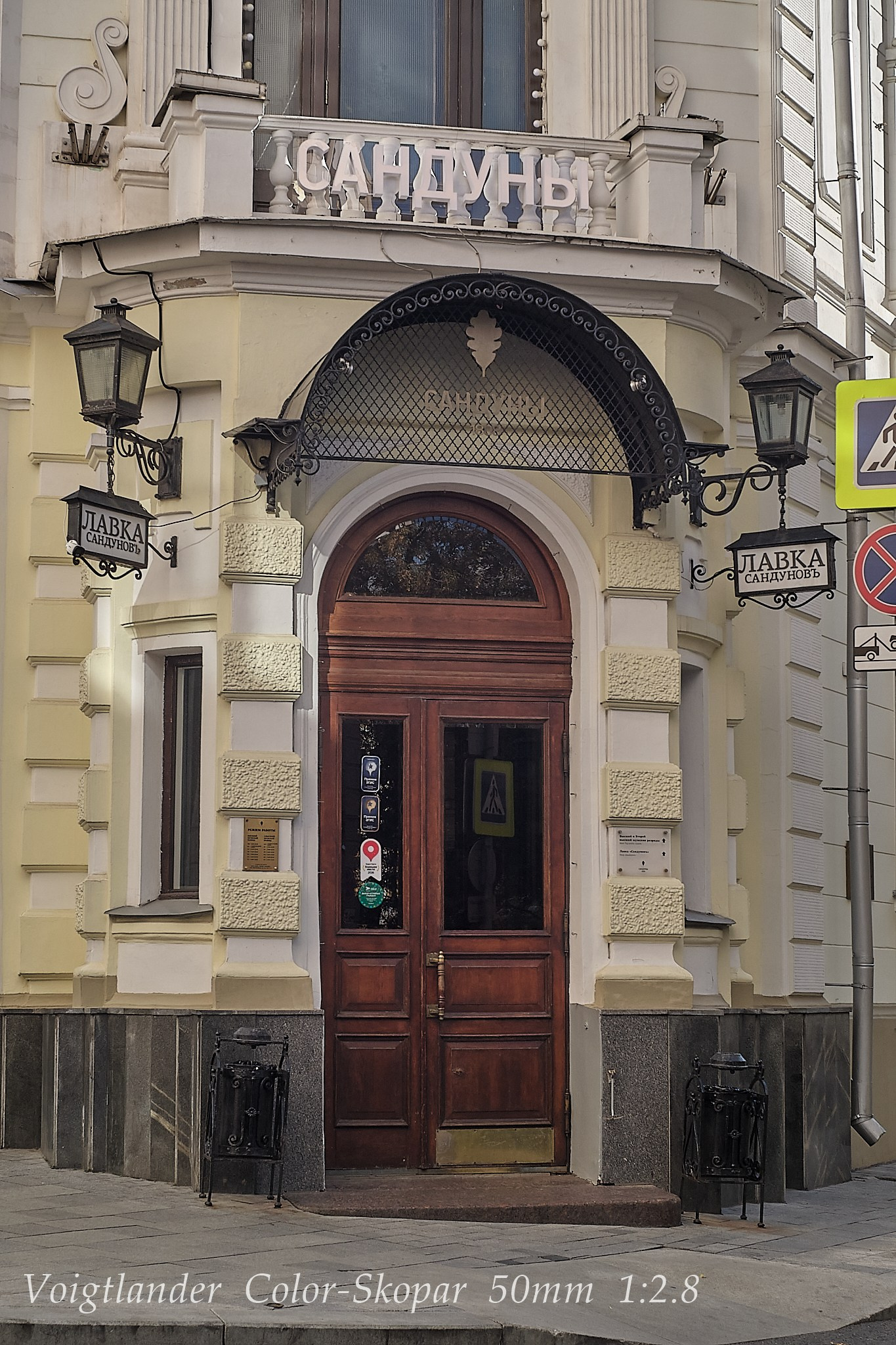
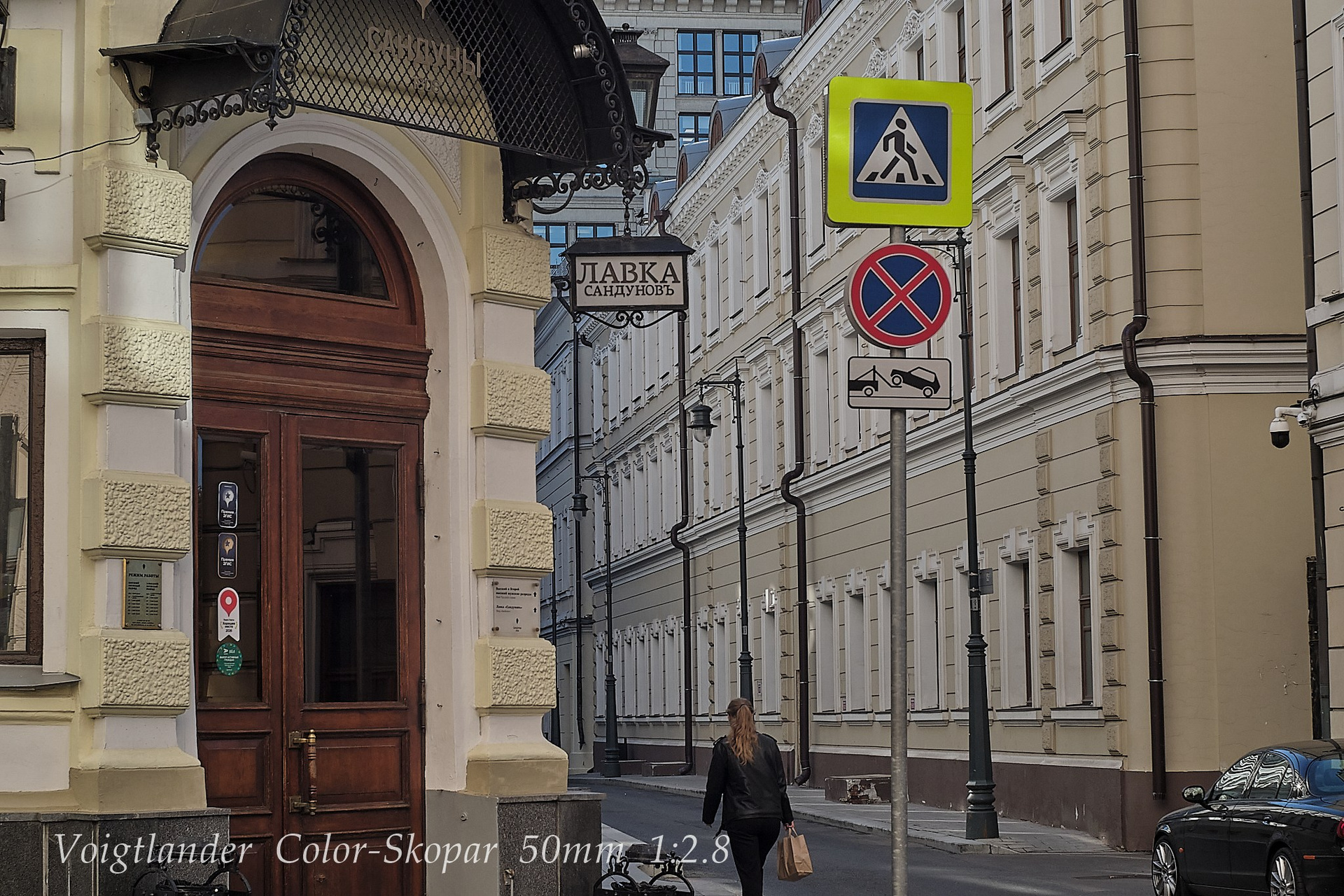
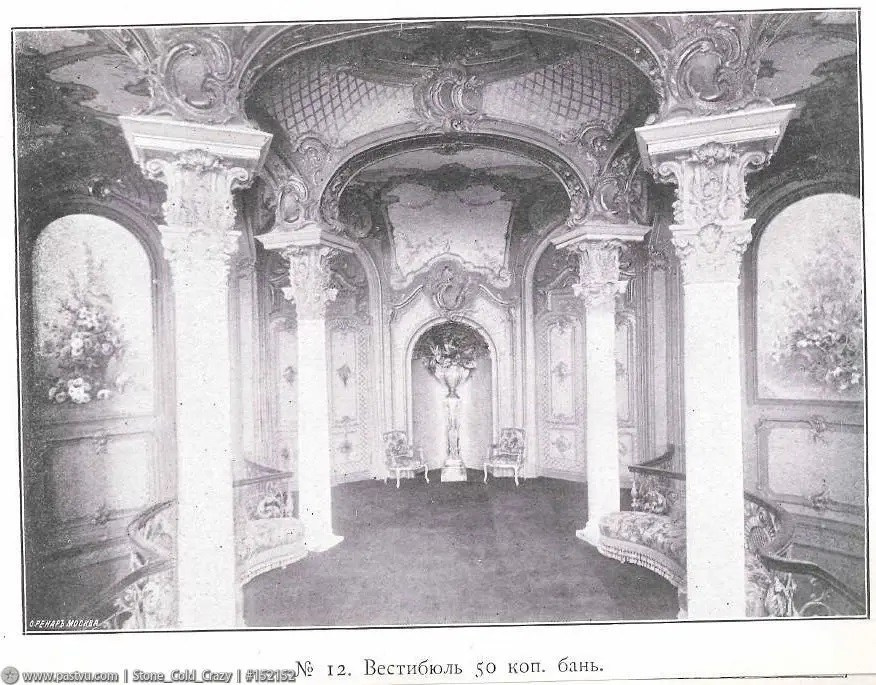
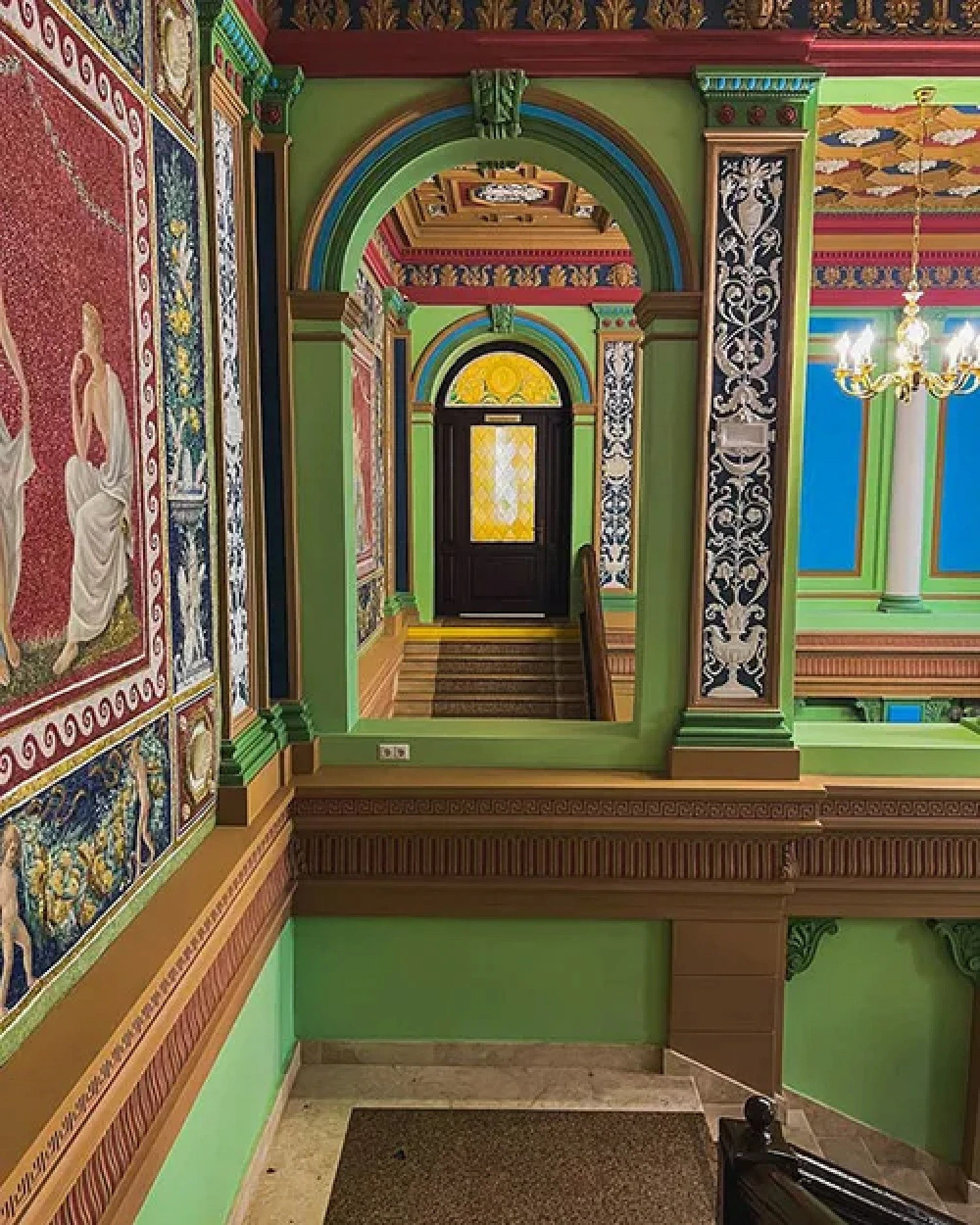
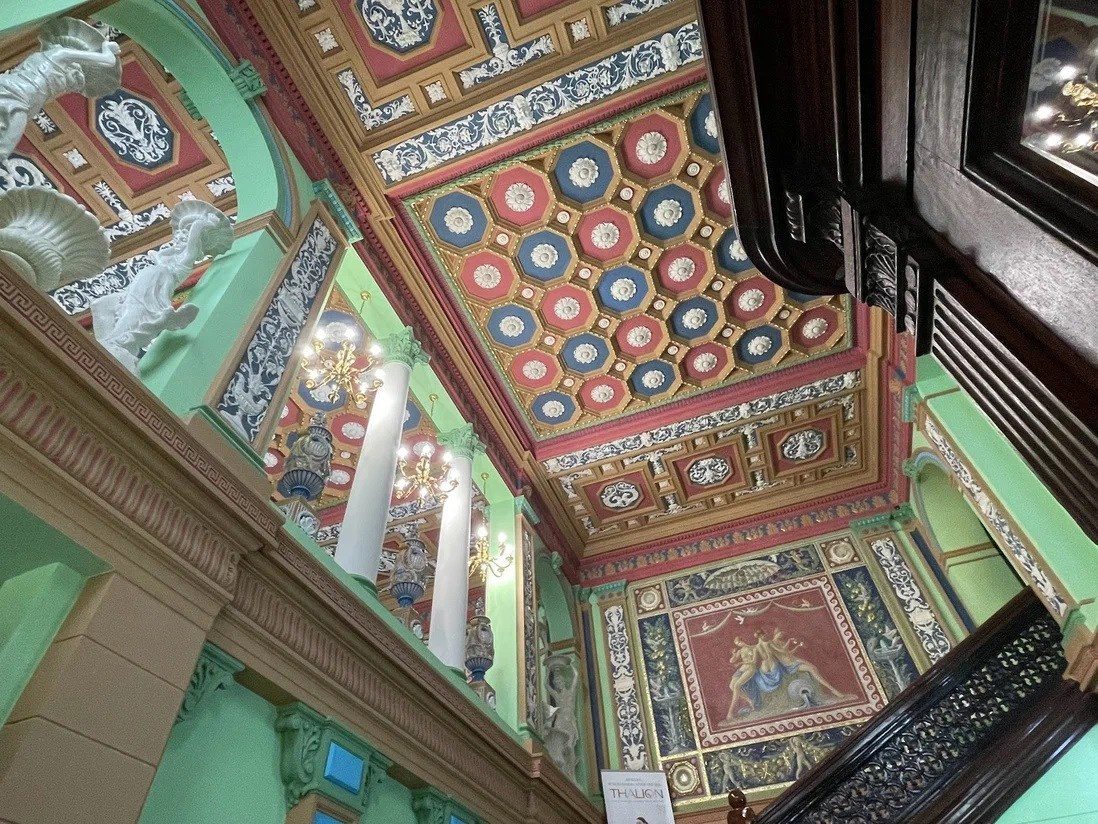
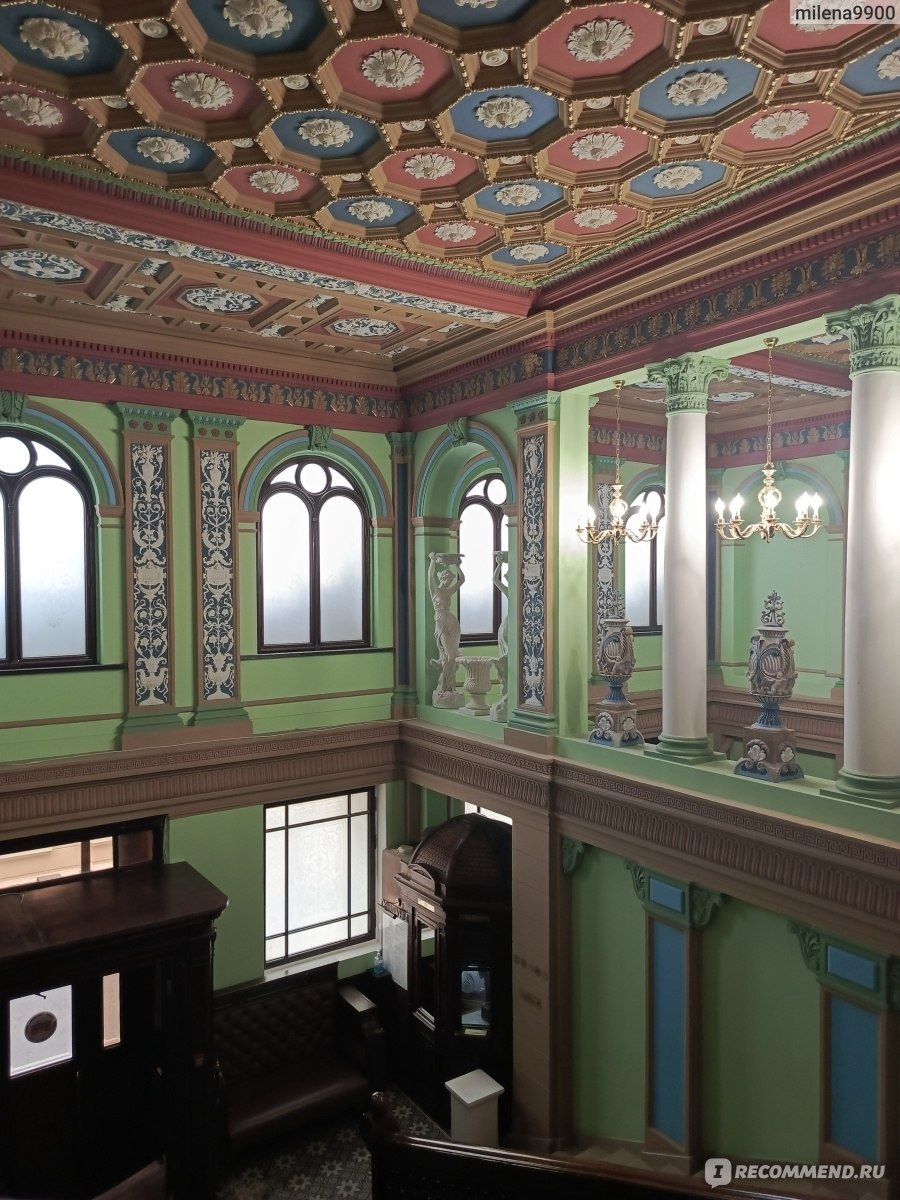
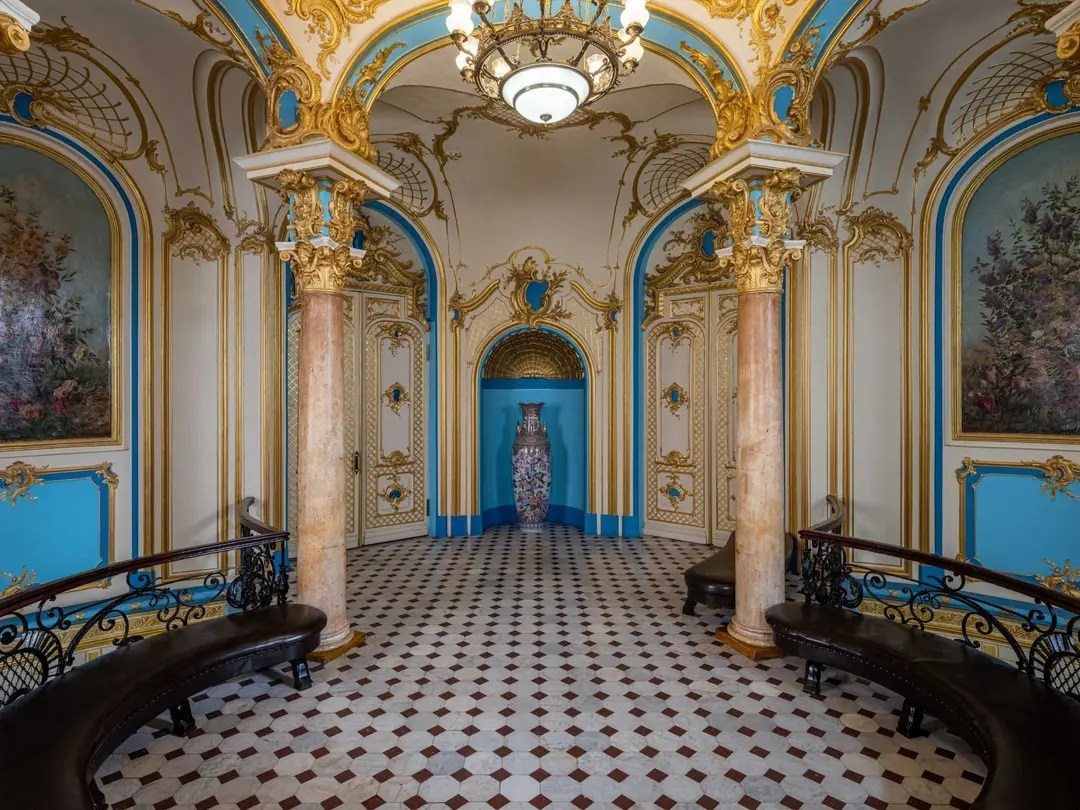
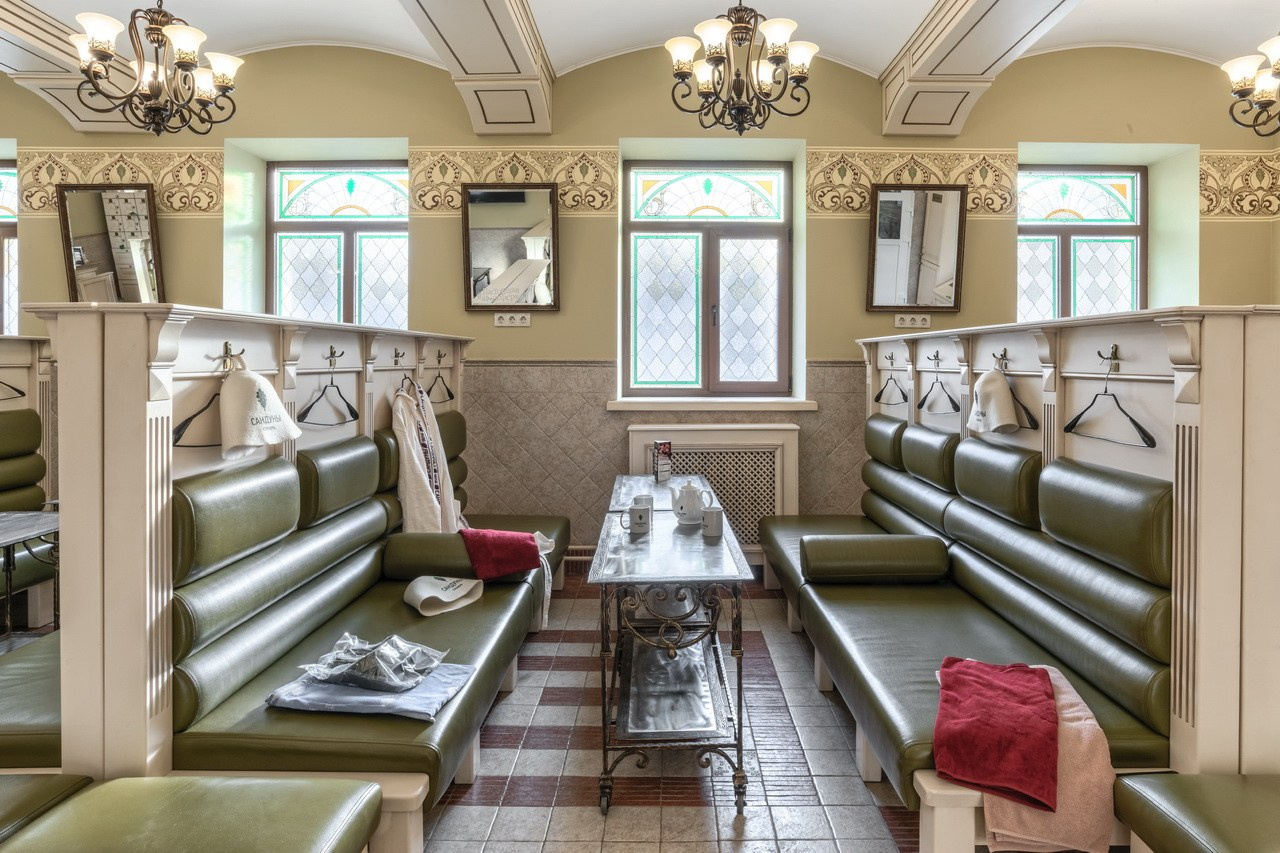
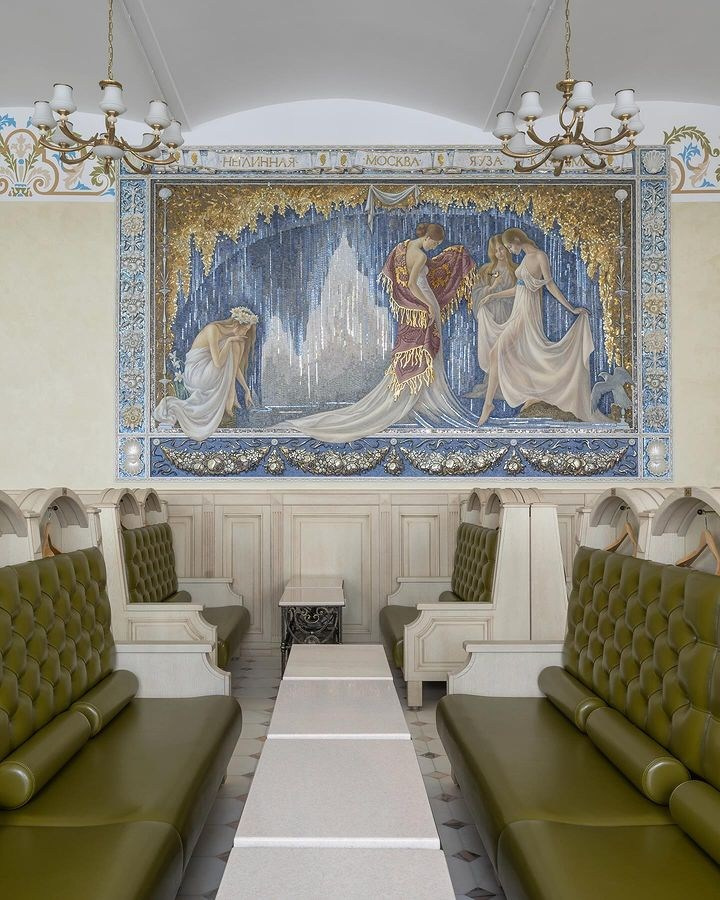
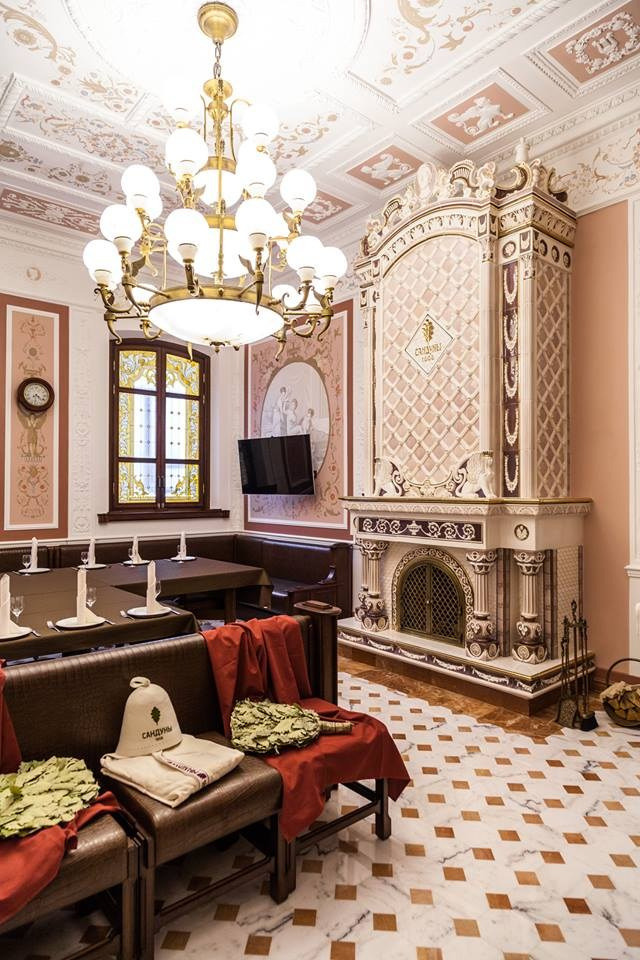
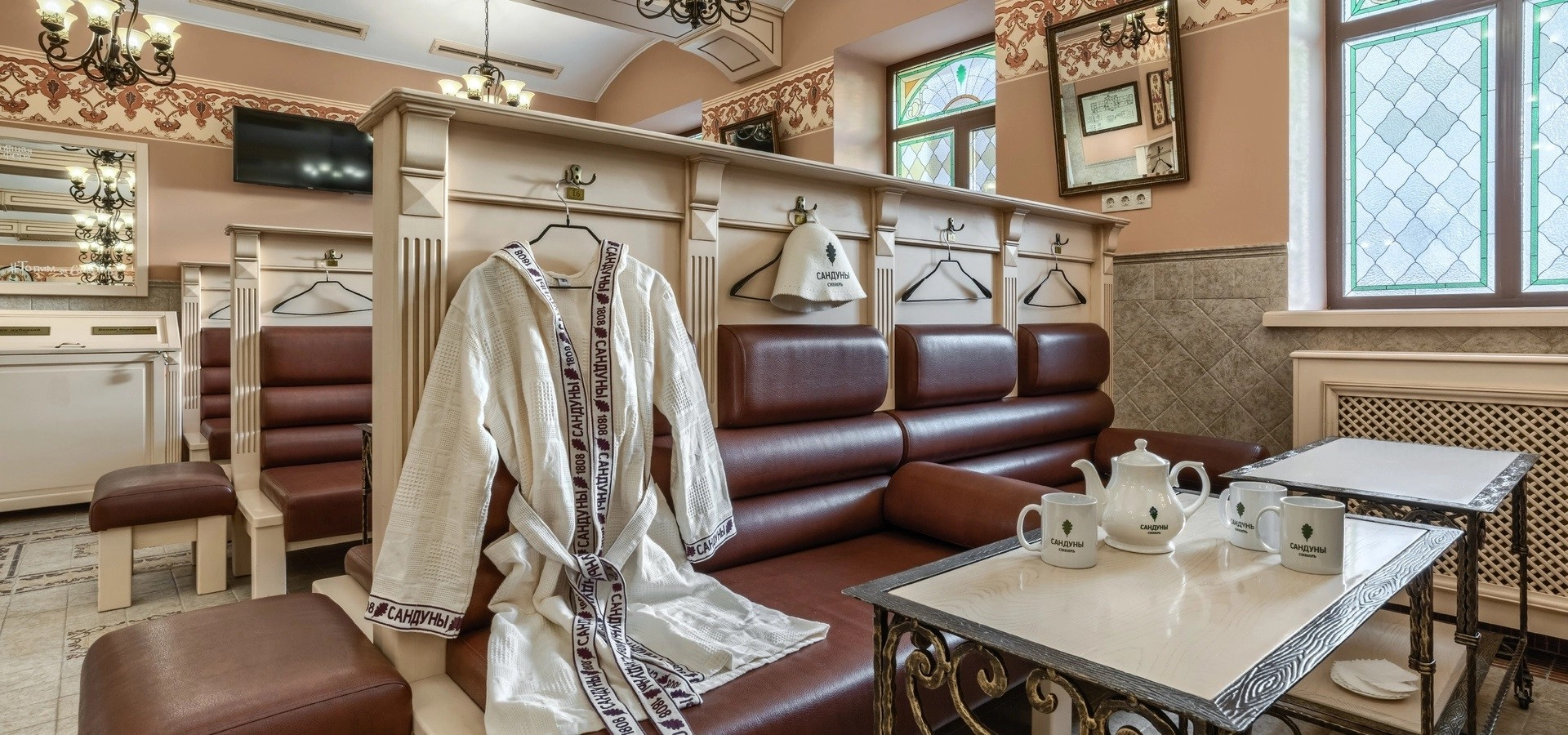
The Vera Firsanova Mansion
A temple of cleanliness transformed into a temple of art
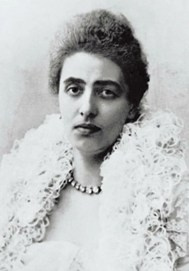
The brief biography of Vera Ivanovna Firsanova (1862–1934) is the story of a strong woman—one of Russia’s first businesswomen and a prominent patron of the arts.
Background and education. Vera was the only daughter of Ivan Grigoryevich Firsanov, a merchant of the First Guild. She received a solid home education: she was fluent in French and German, played music, and loved the theater.
Business activities. After inheriting the family fortune, Vera took charge of the business. She owned:
- the Sandunov Baths (which she rebuilt and turned into a cultural hub);
- the Petrovsky Passage (originally named the Firsanov Passage);
- over twenty revenue-generating apartment buildings in Moscow;
- the Serednikovo estate.
Charity and patronage. One of her first initiatives was completing the construction of the “Home for Widows and Orphans” (5 Elektrichesky Lane). In 1883, a four-story building housing 400 people was built with her funding. Part of the premises was allocated for Moscow’s first school for blind children. Vera Ivanovna became the home’s lifelong trustee.
After the Revolution, her property was confiscated, and she was evicted to a room in a communal apartment on the Arbat. Her friend Fyodor Chaliapin helped her get a job as a theater makeup artist; in 1928, she emigrated to Paris, where she passed away in 1934.
Legacy. Firsanova was known as “Russia’s most lavish businesswoman.” She left a significant mark on Moscow’s architecture and social life.
History of the building:
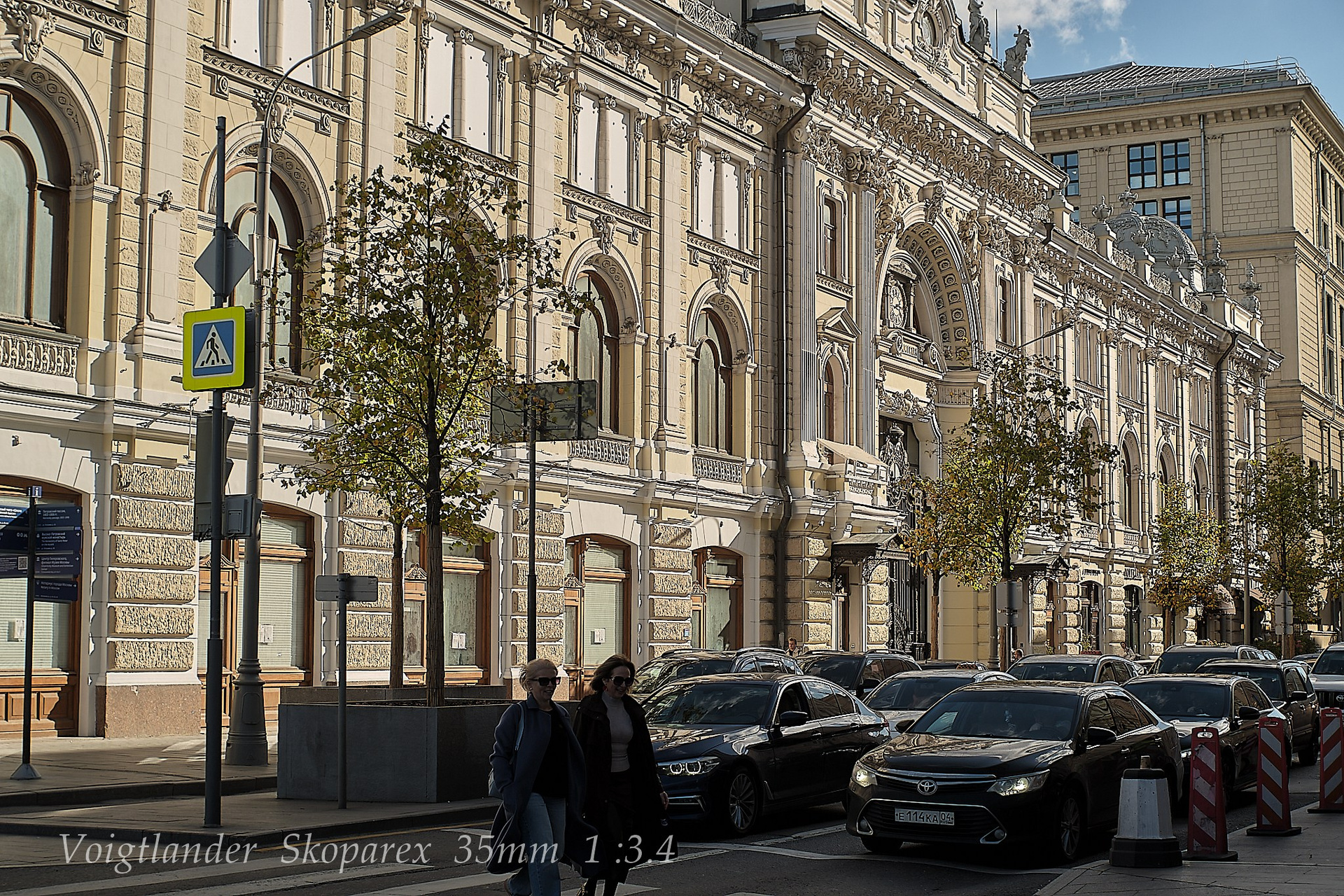
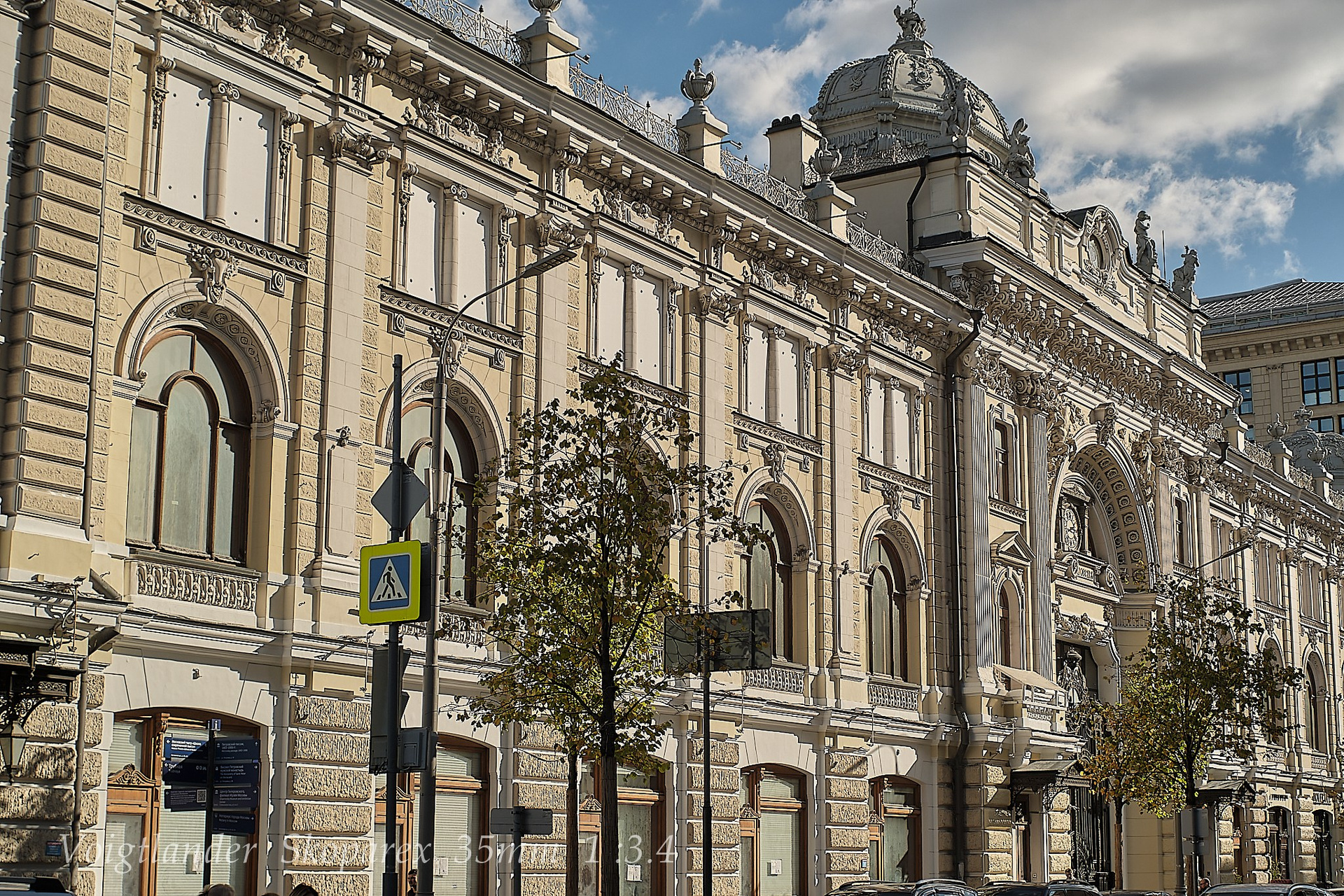
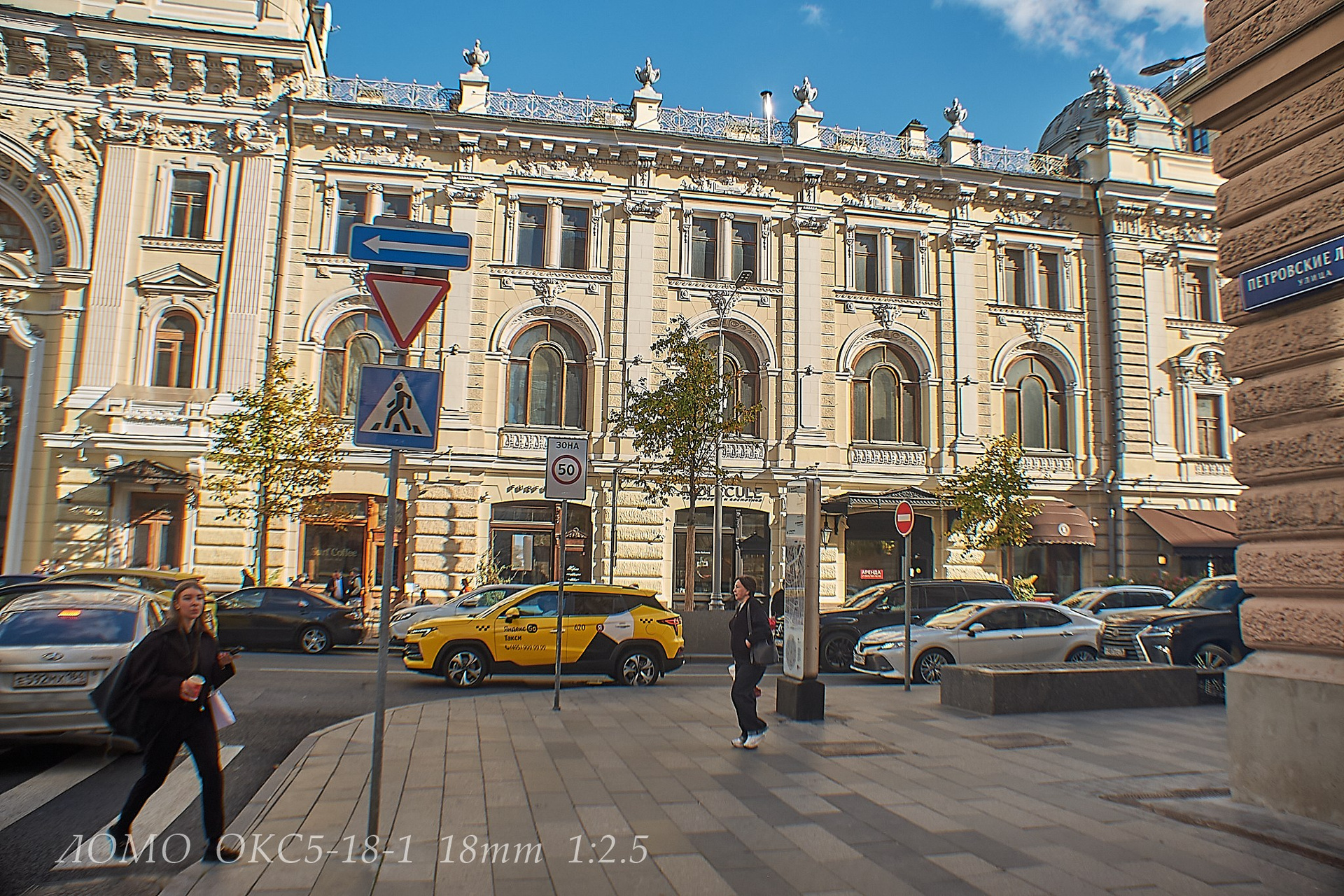
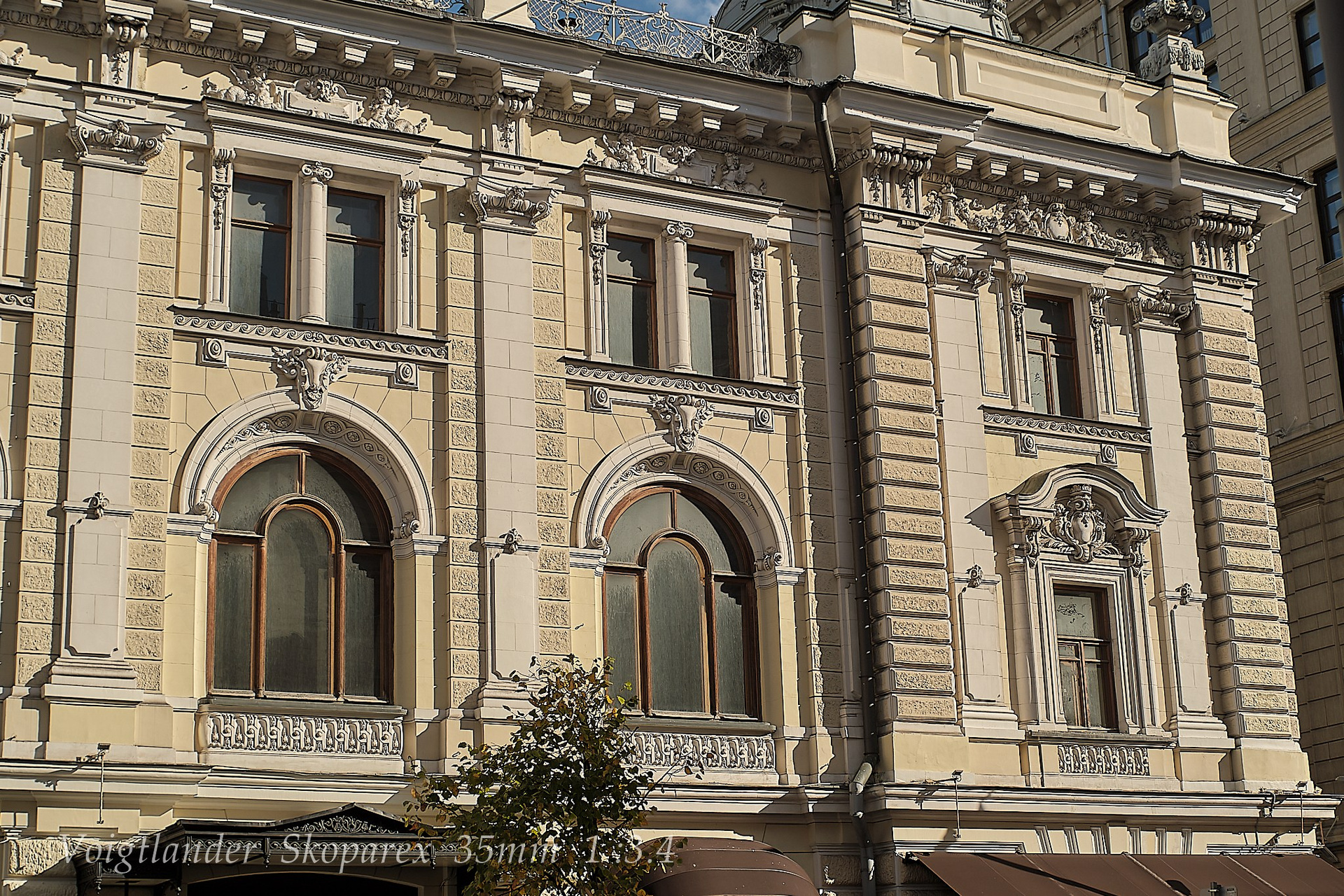
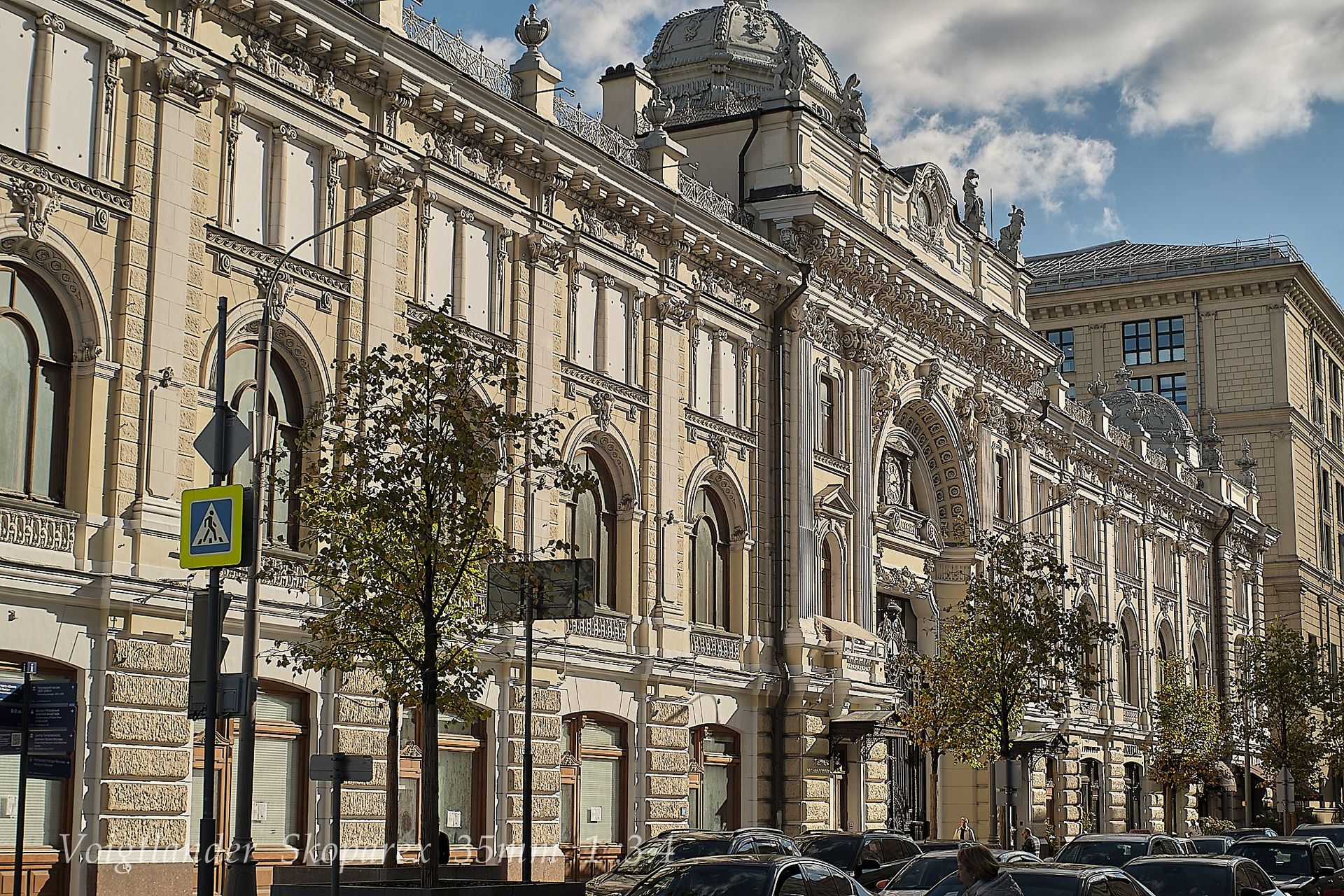
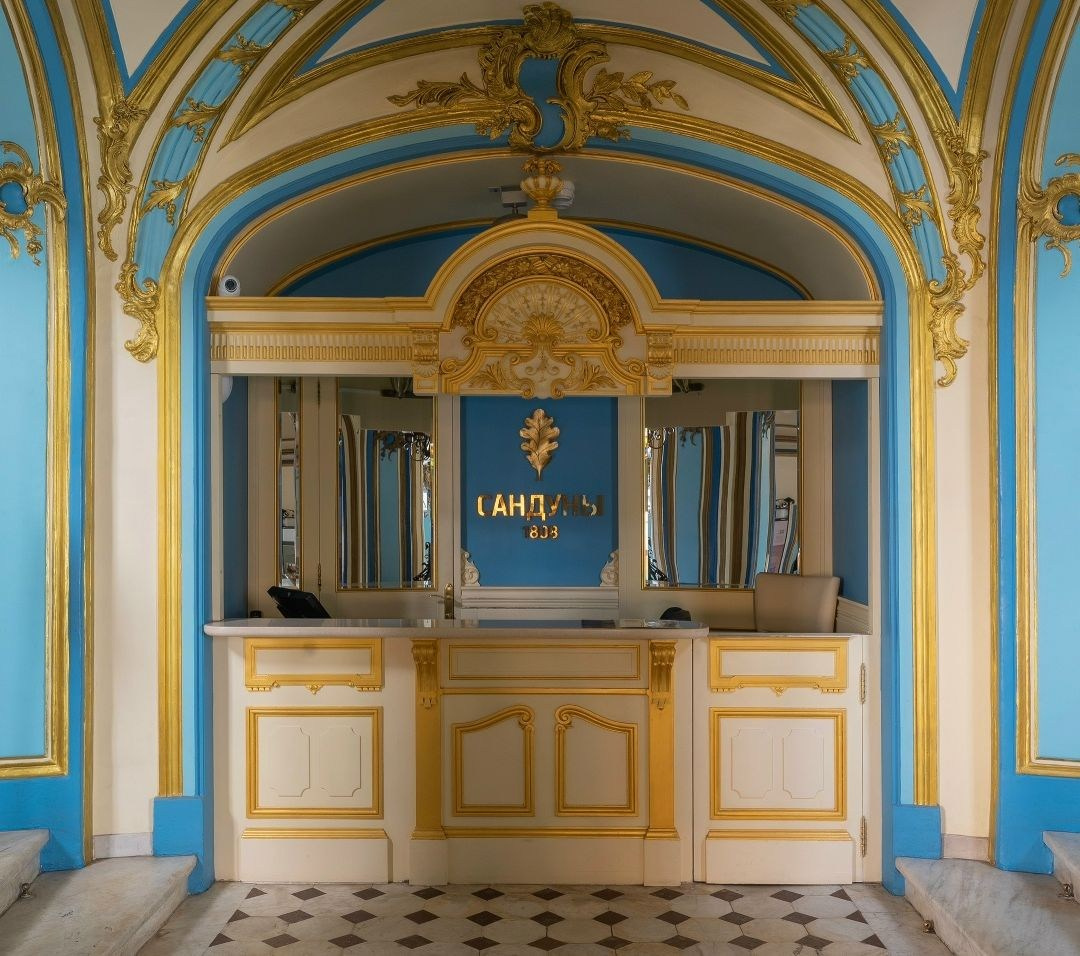
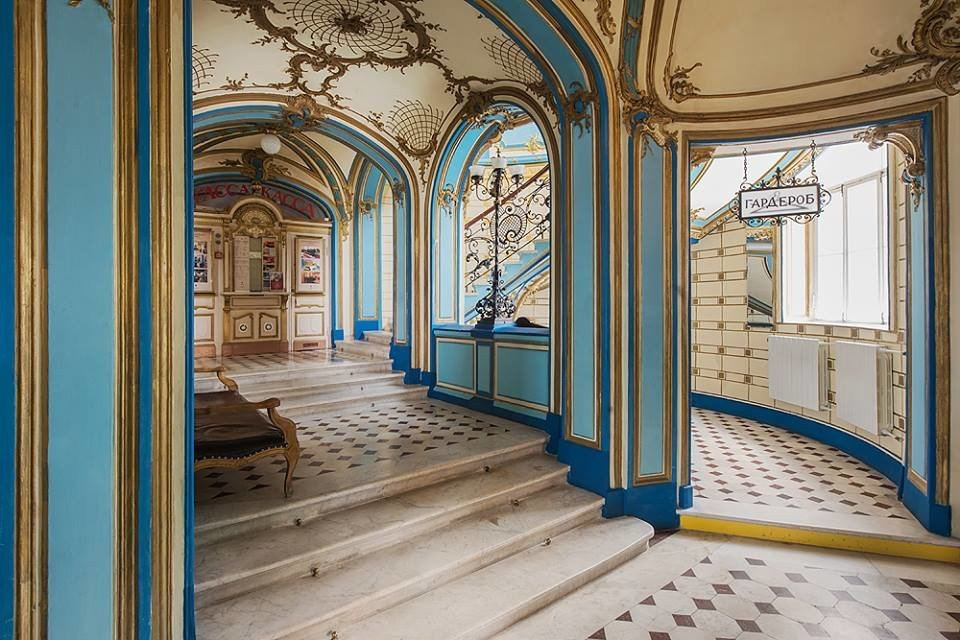
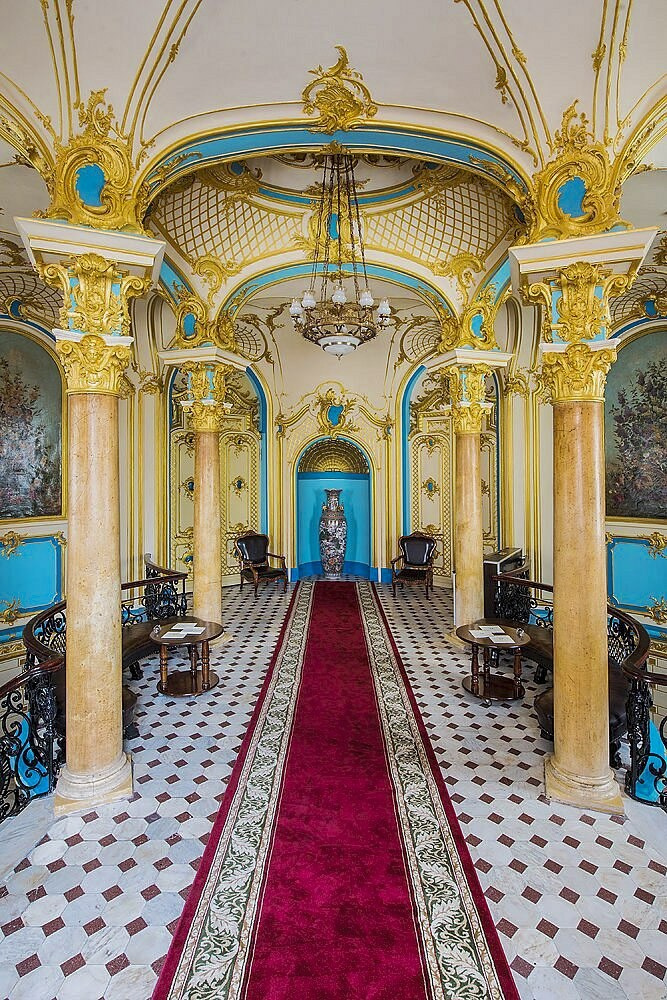
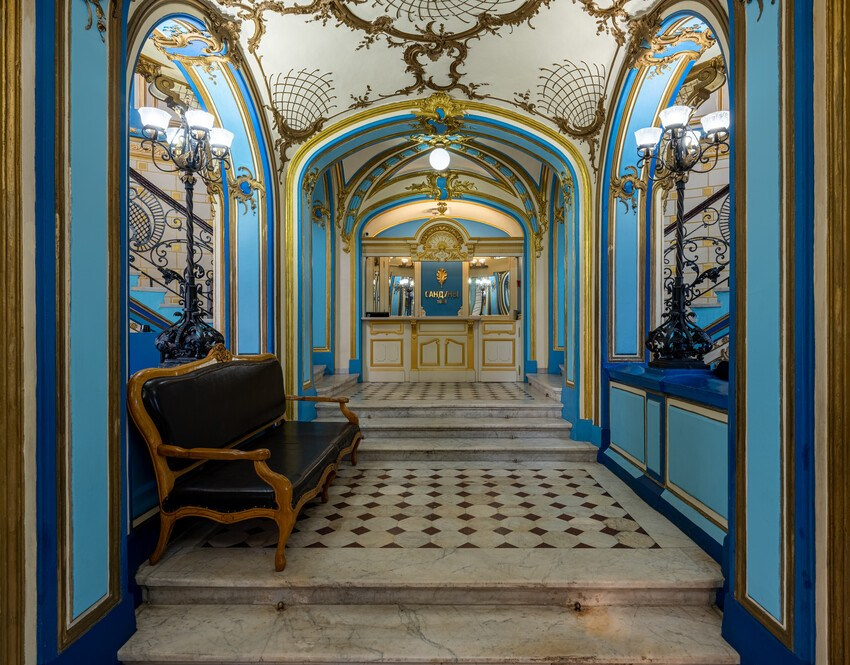
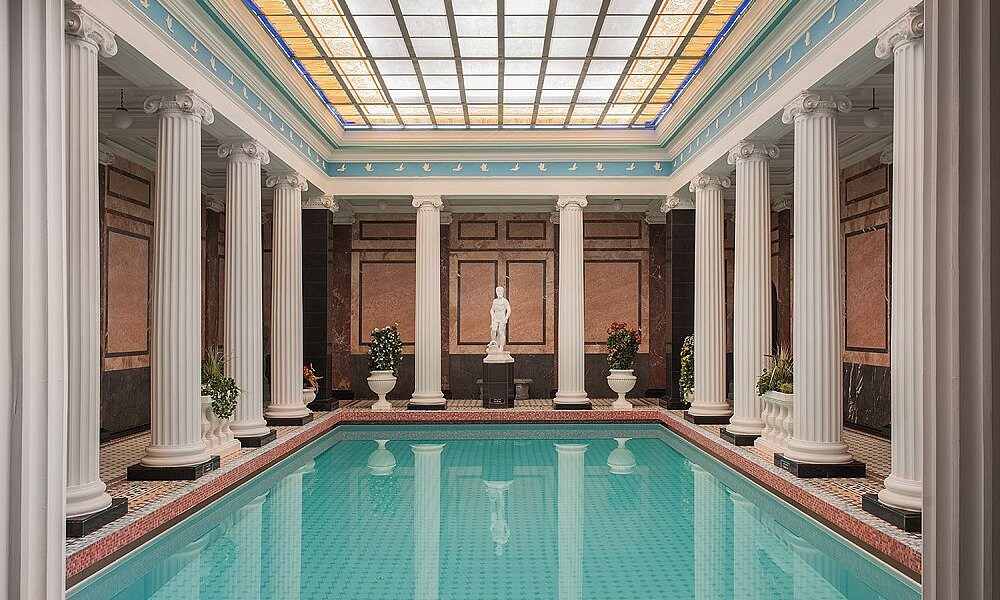
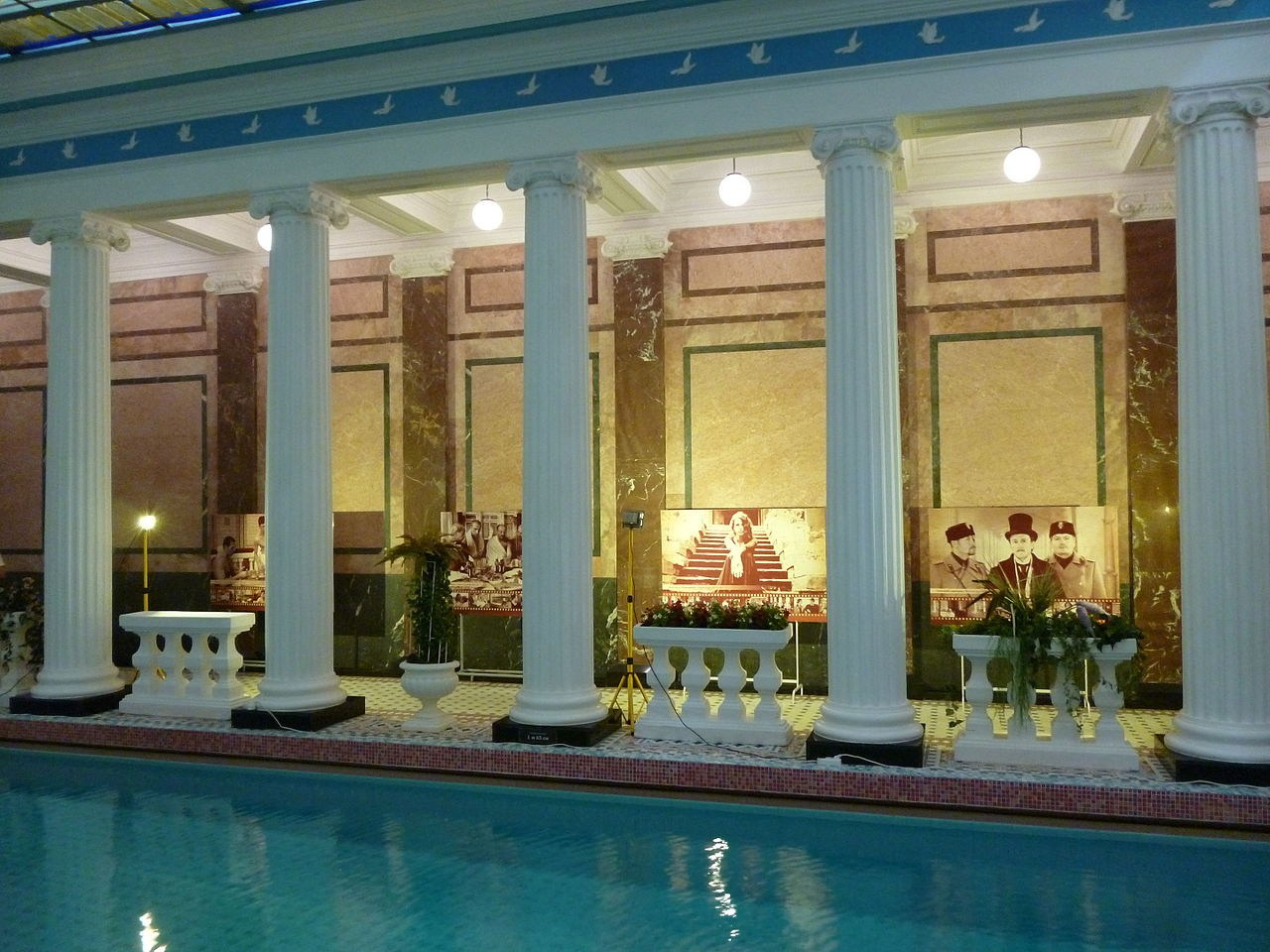
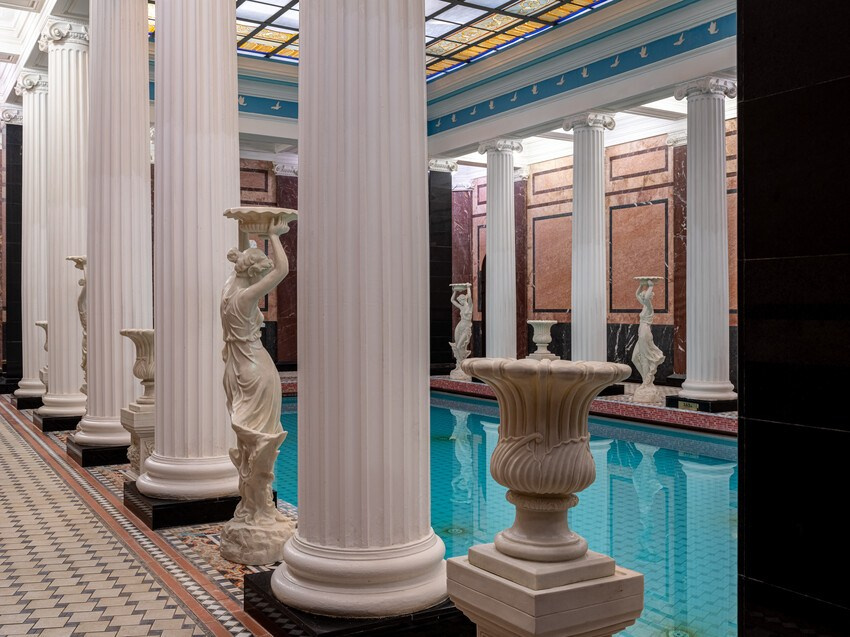
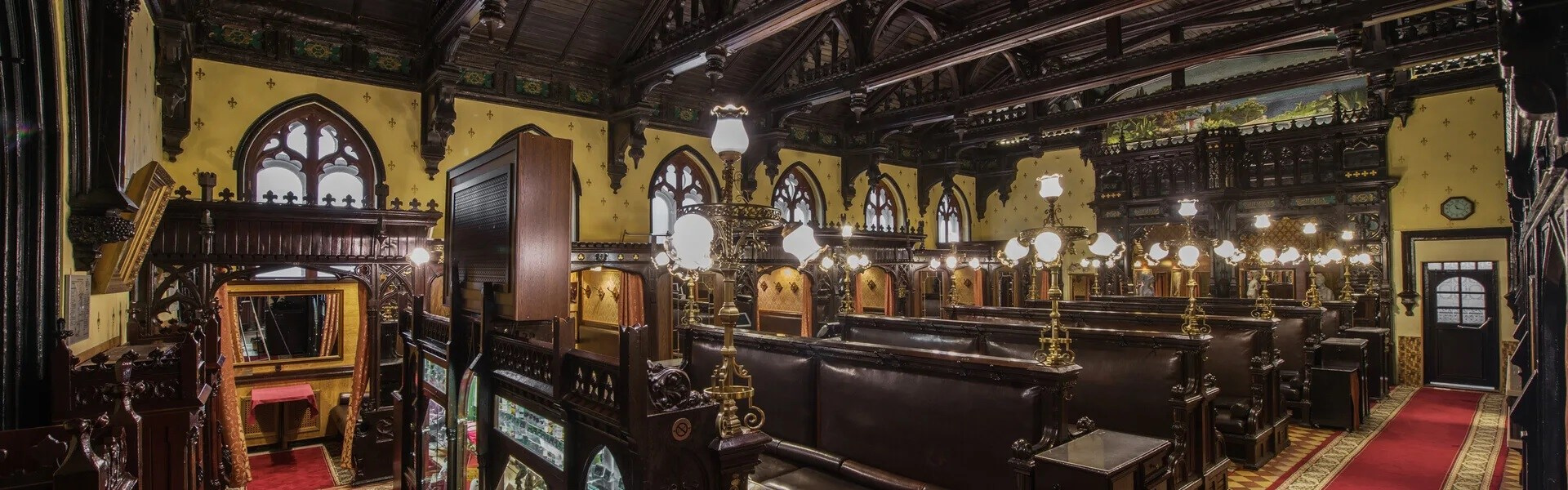
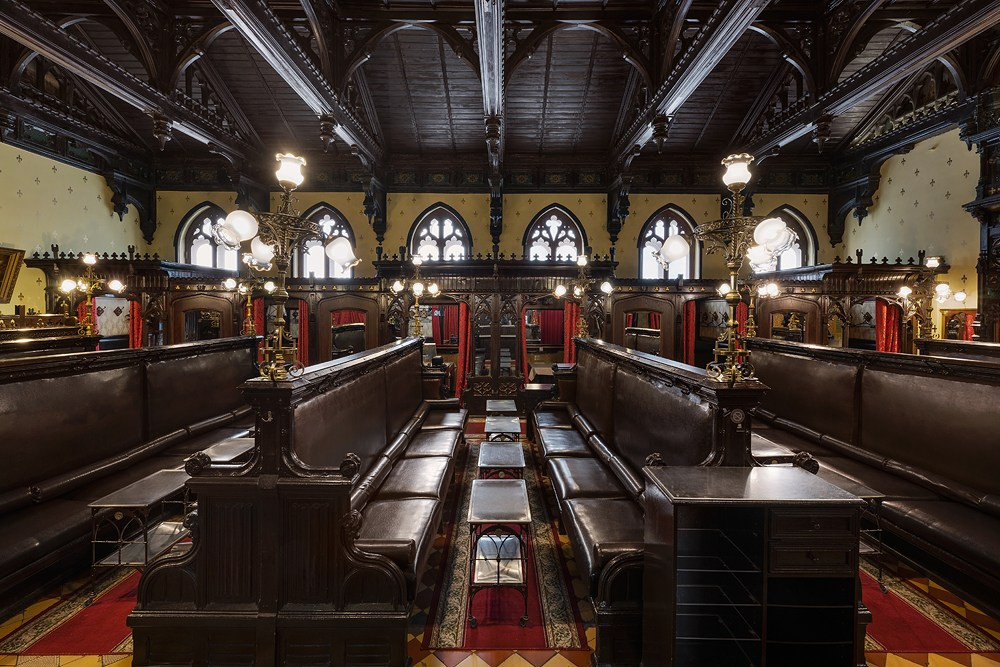
Vera Ivanovna Firsanova’s apartment building at 14 Neglinnaya Street (Building 1A) is a striking example of late 19th-century architecture, closely linked to the history of the Sandunov Baths.
The building was constructed between 1894 and 1895 based on designs by architecturers B. V. Freudenberg and S. M. Kalugin. The project was commissioned by Vera Ivanovna Firsanova—one of Moscow’s wealthiest women, an entrepreneur, and a patron of the arts.
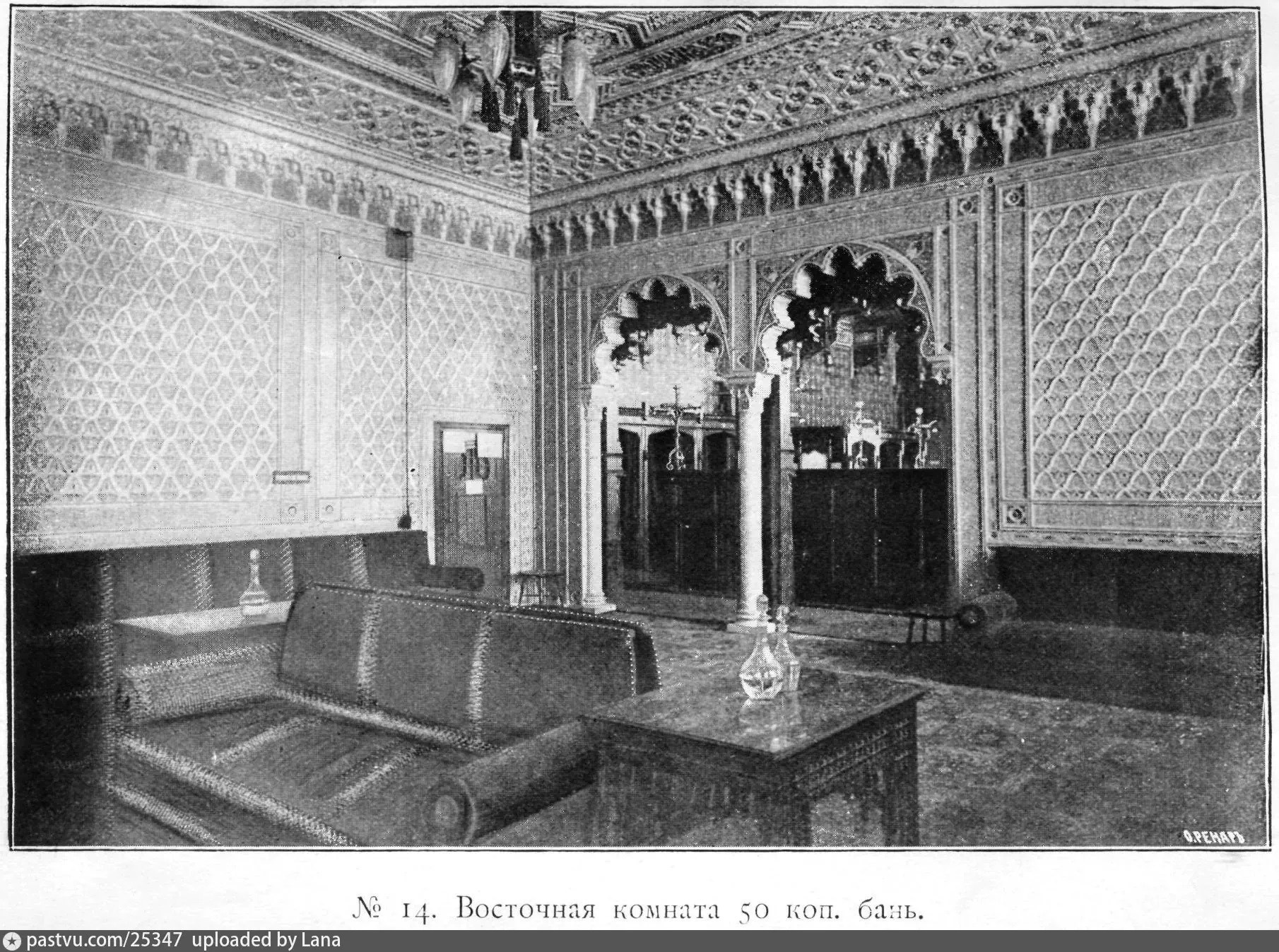
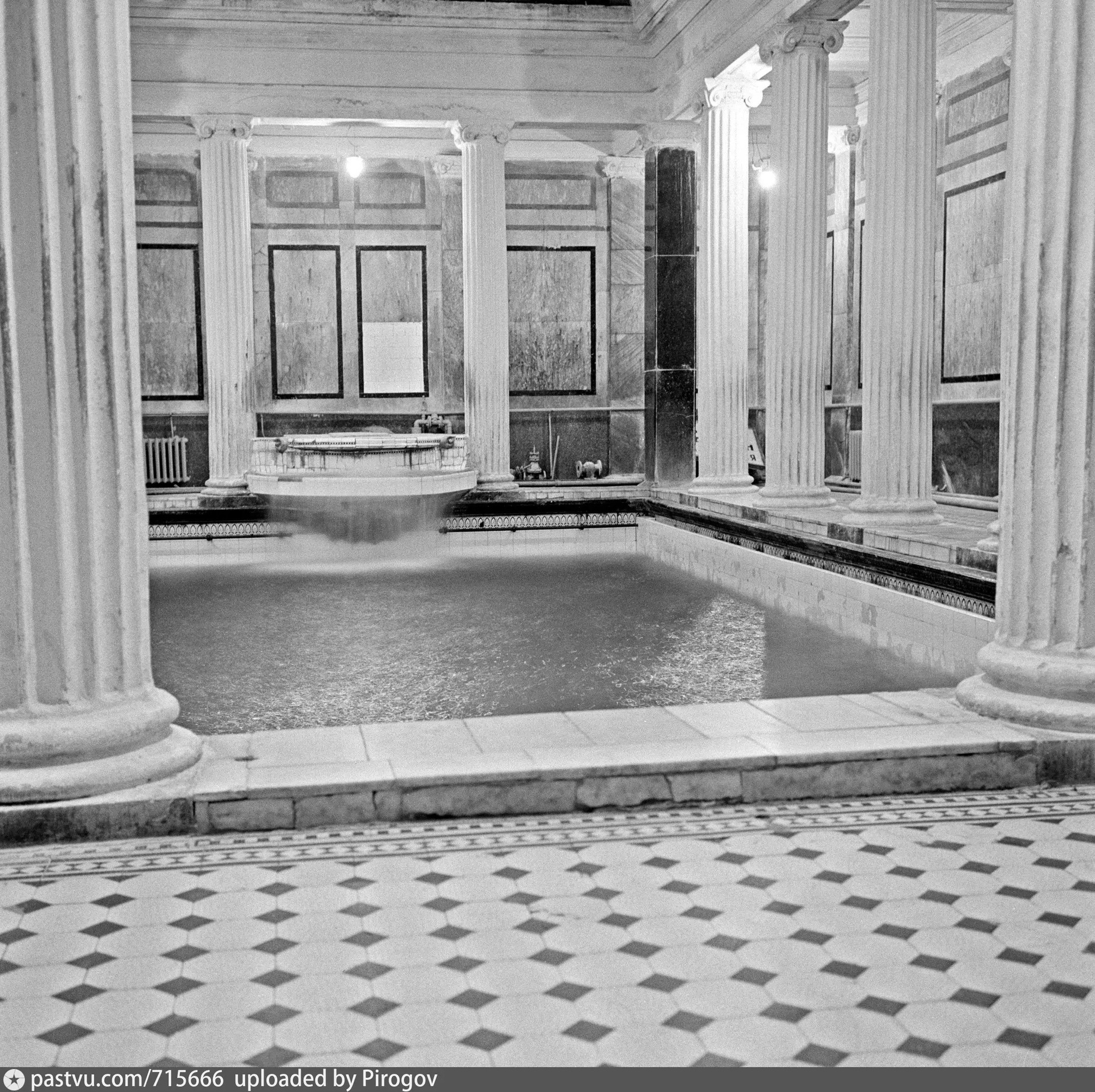
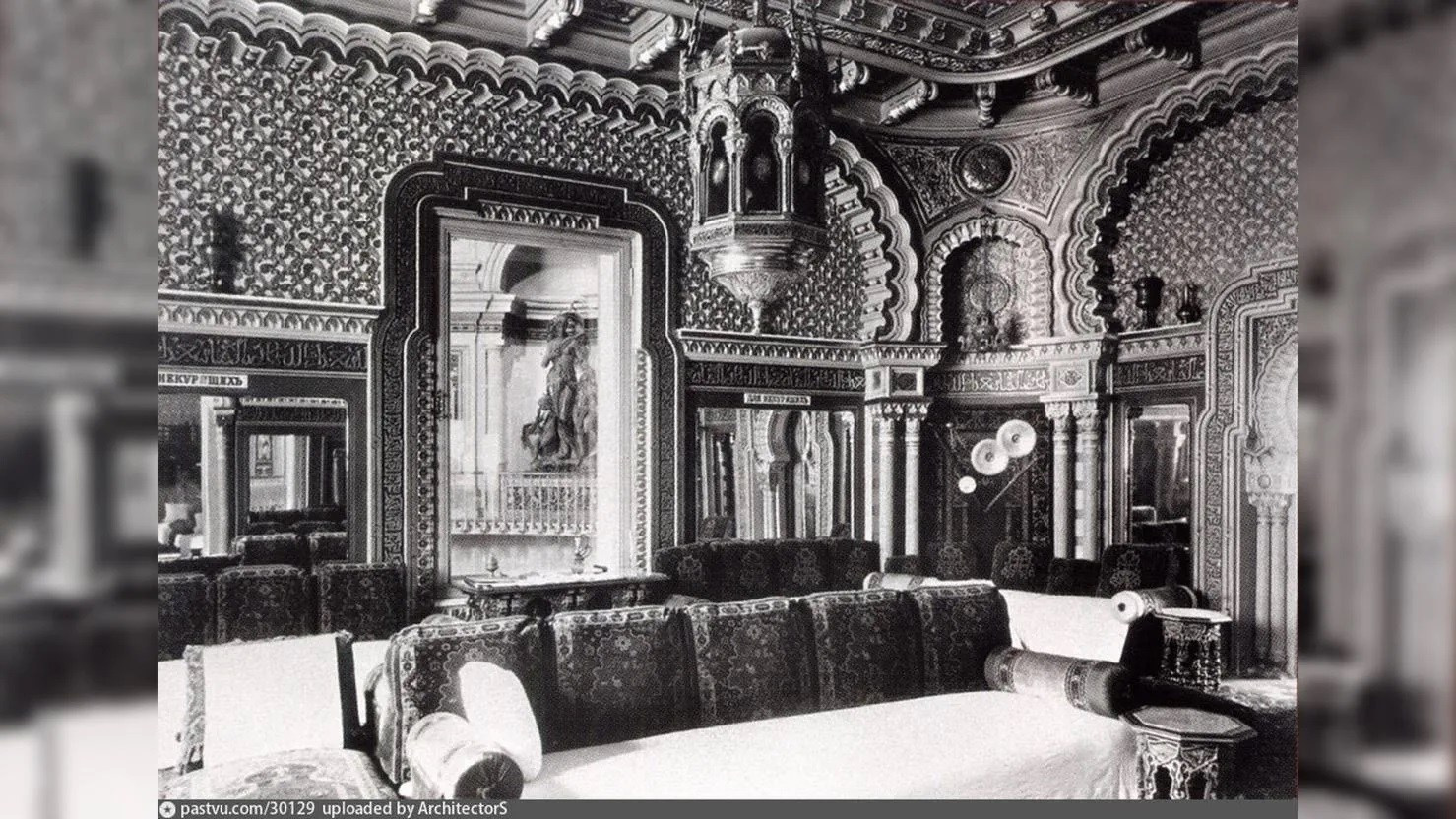
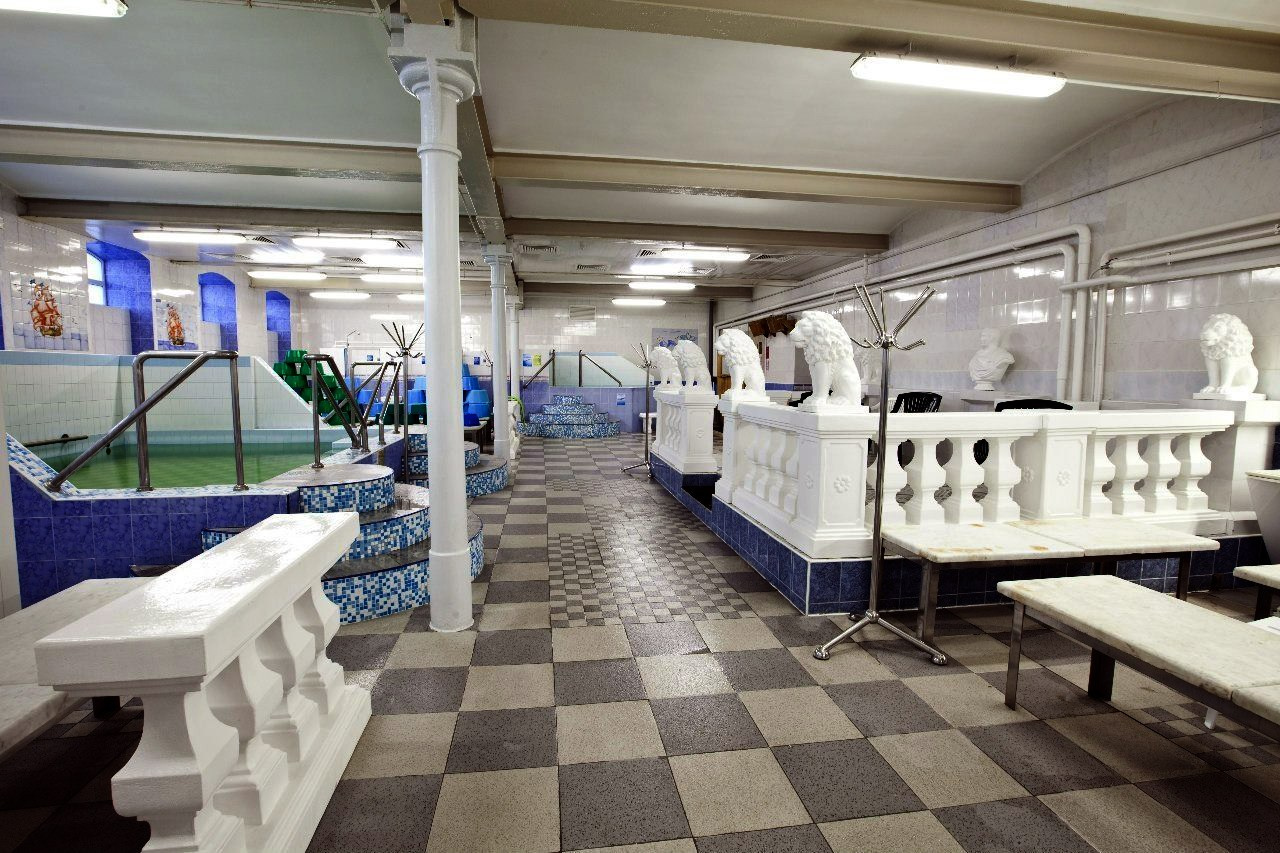
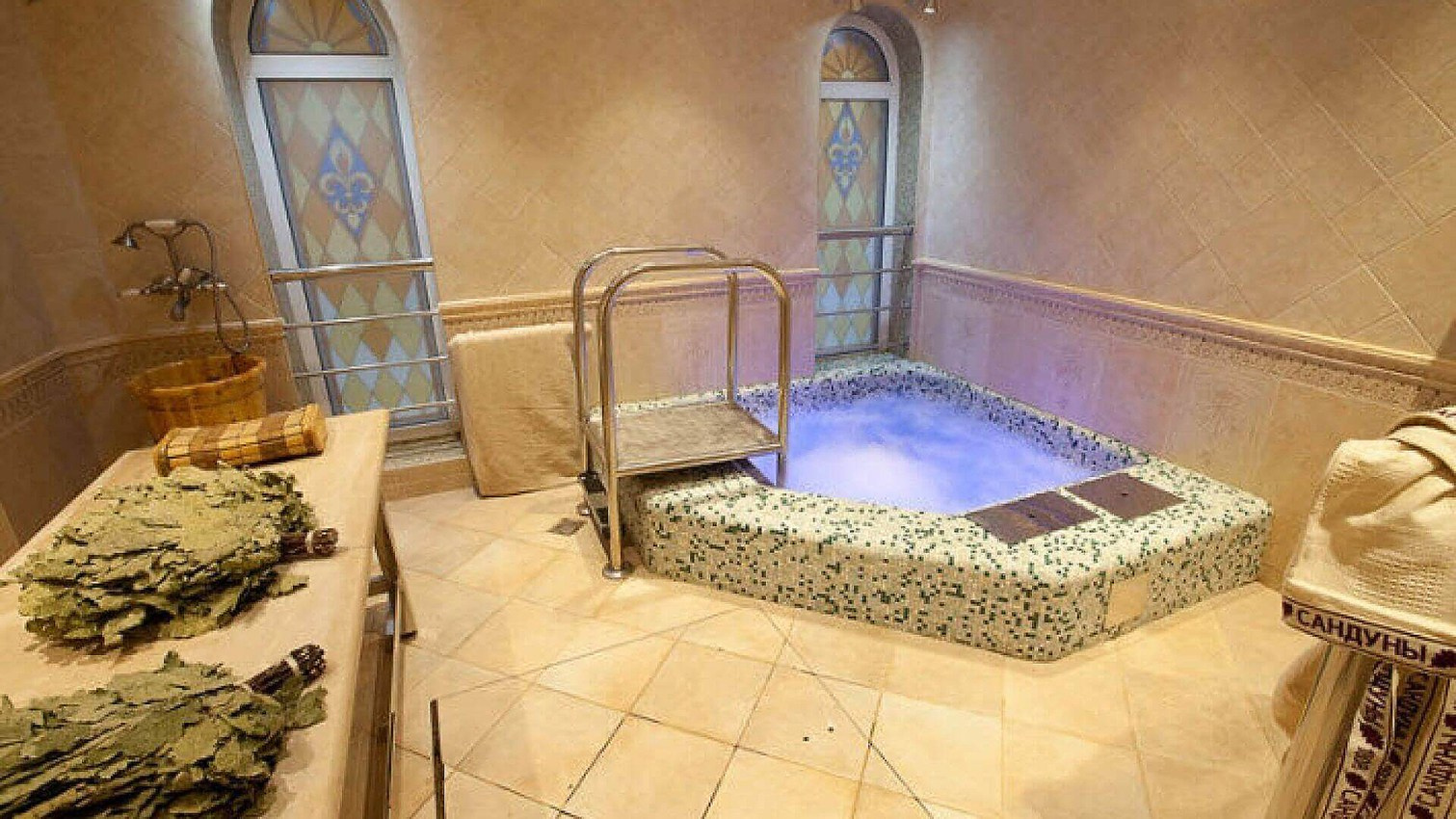
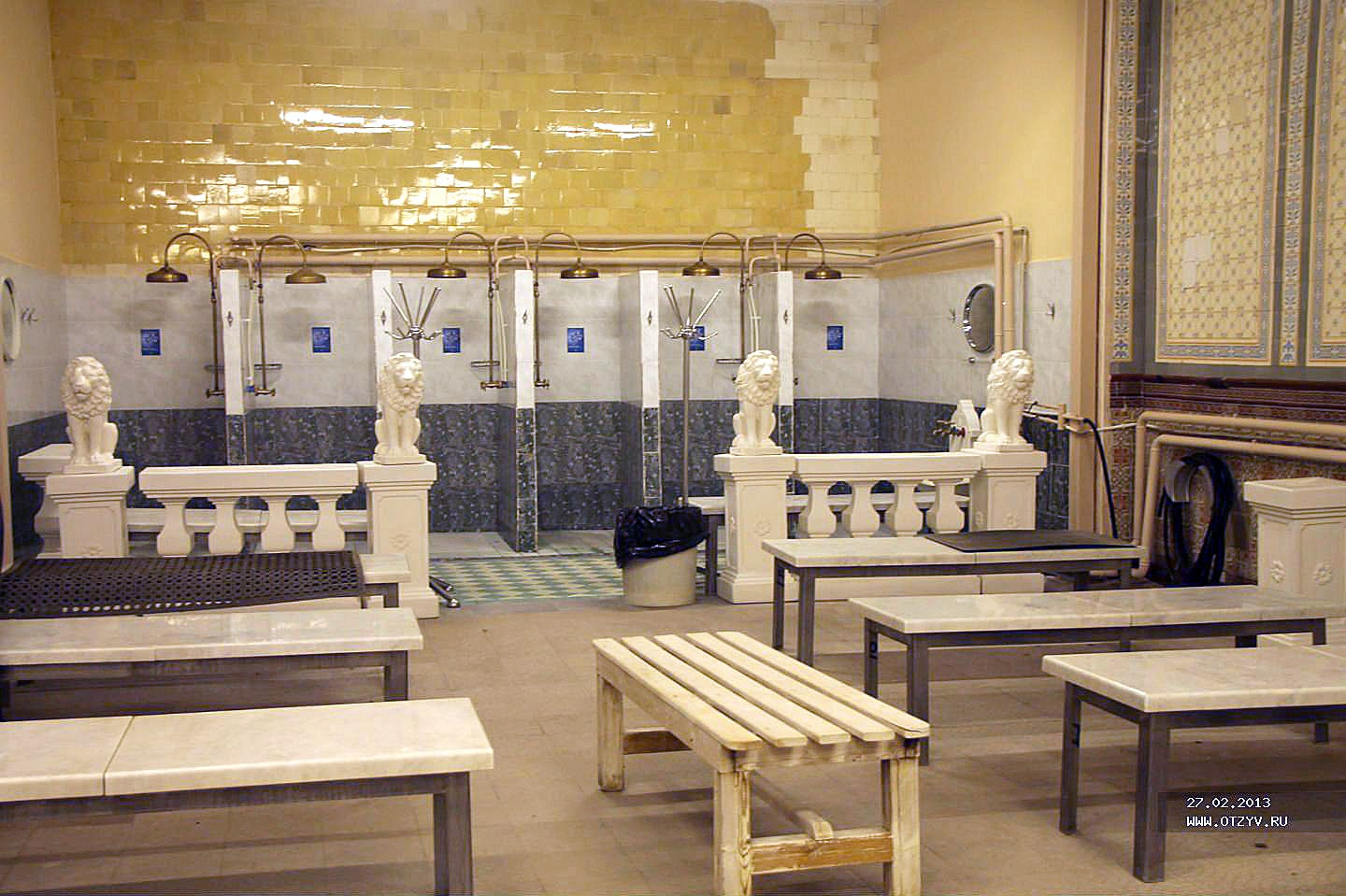
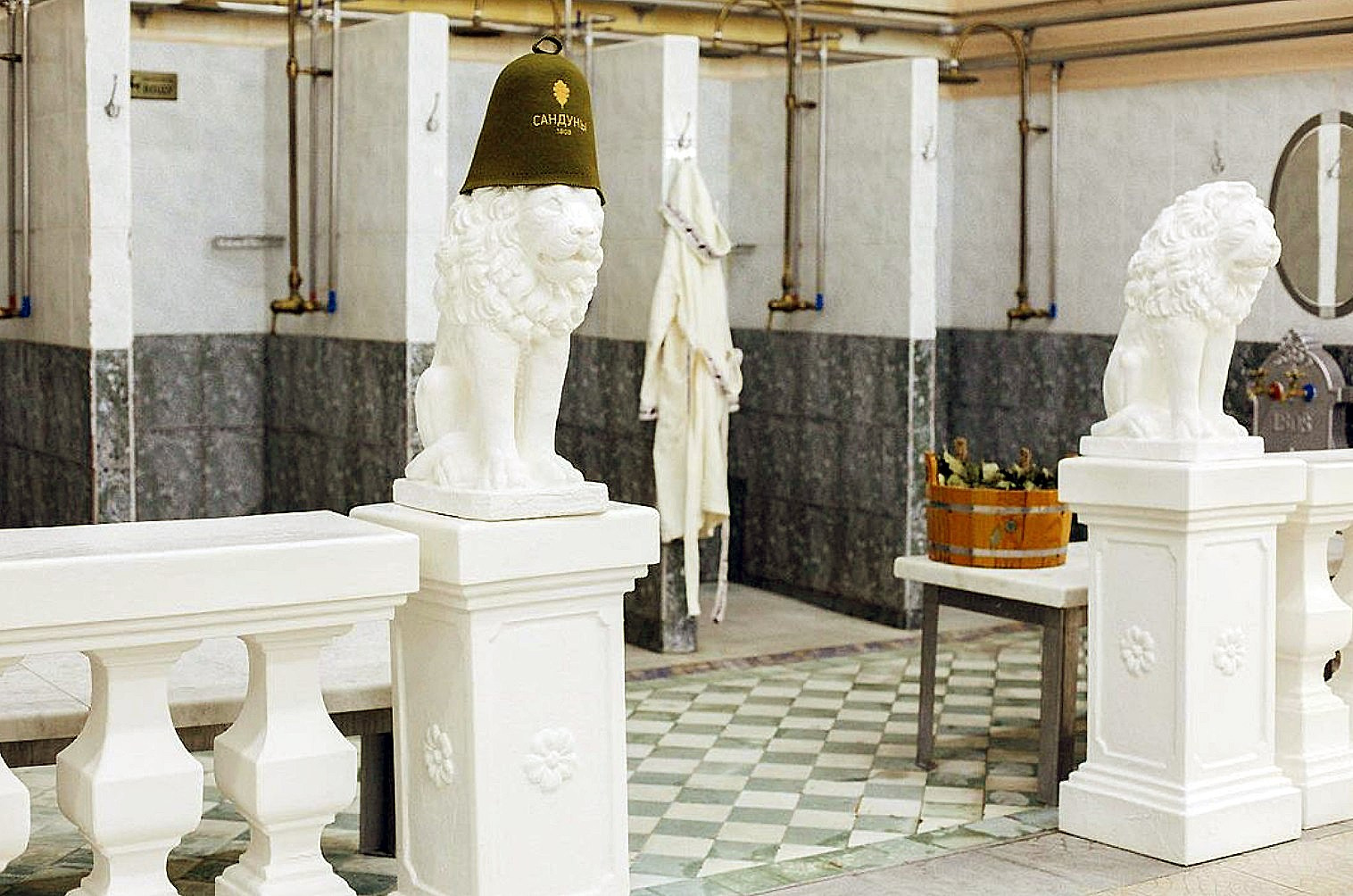
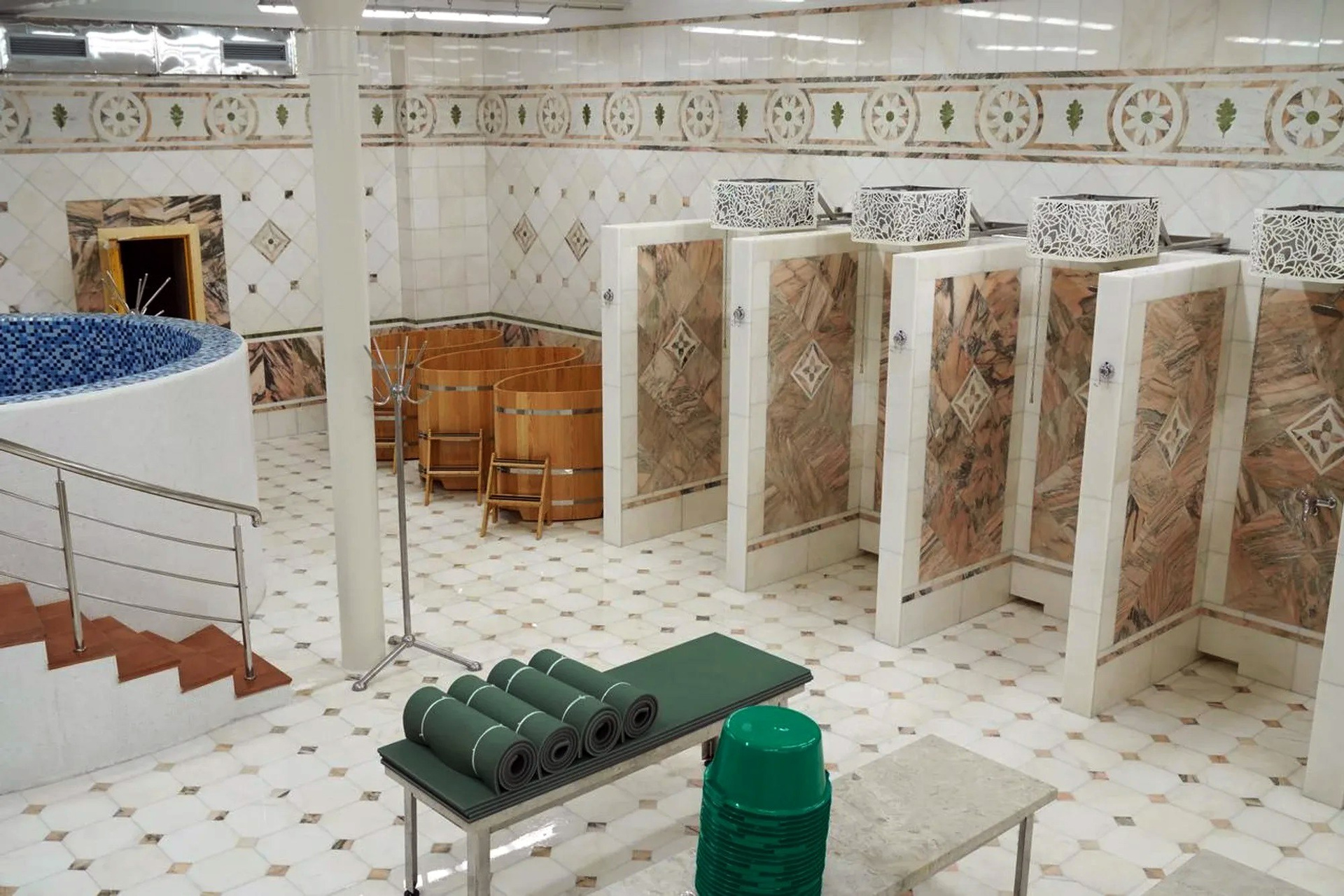
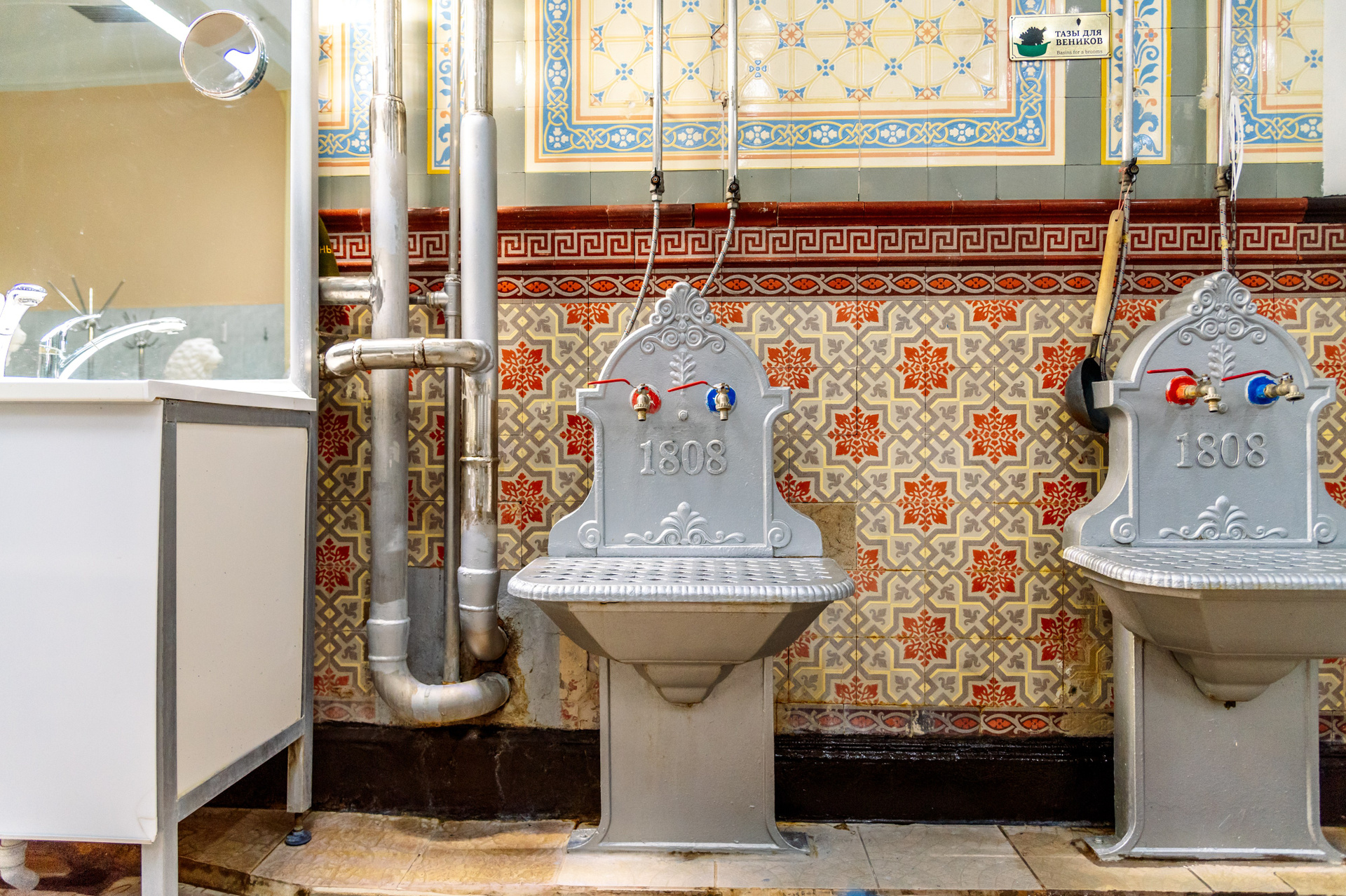
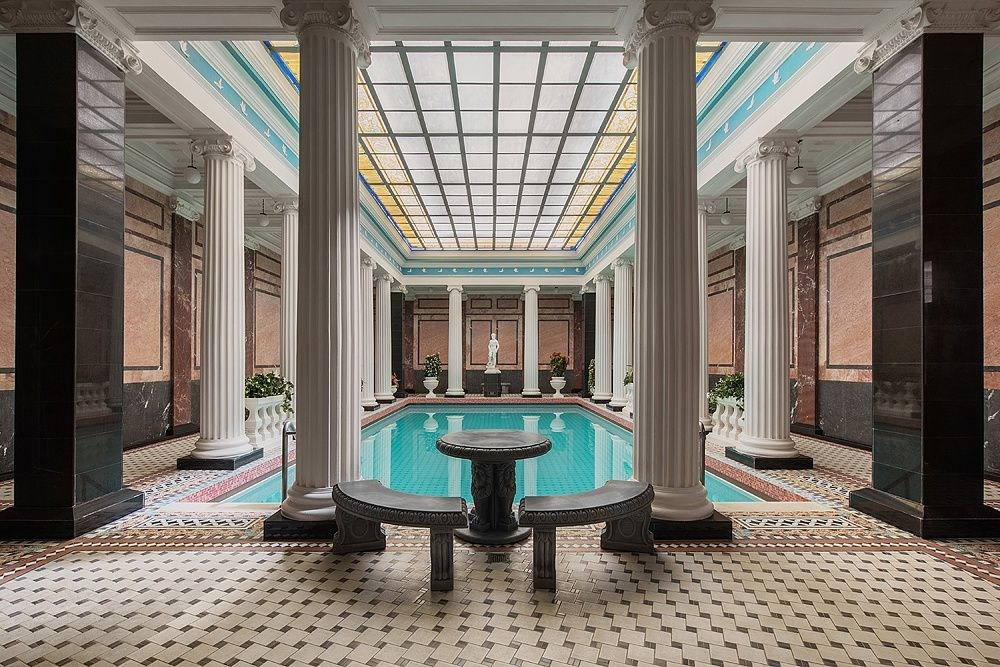
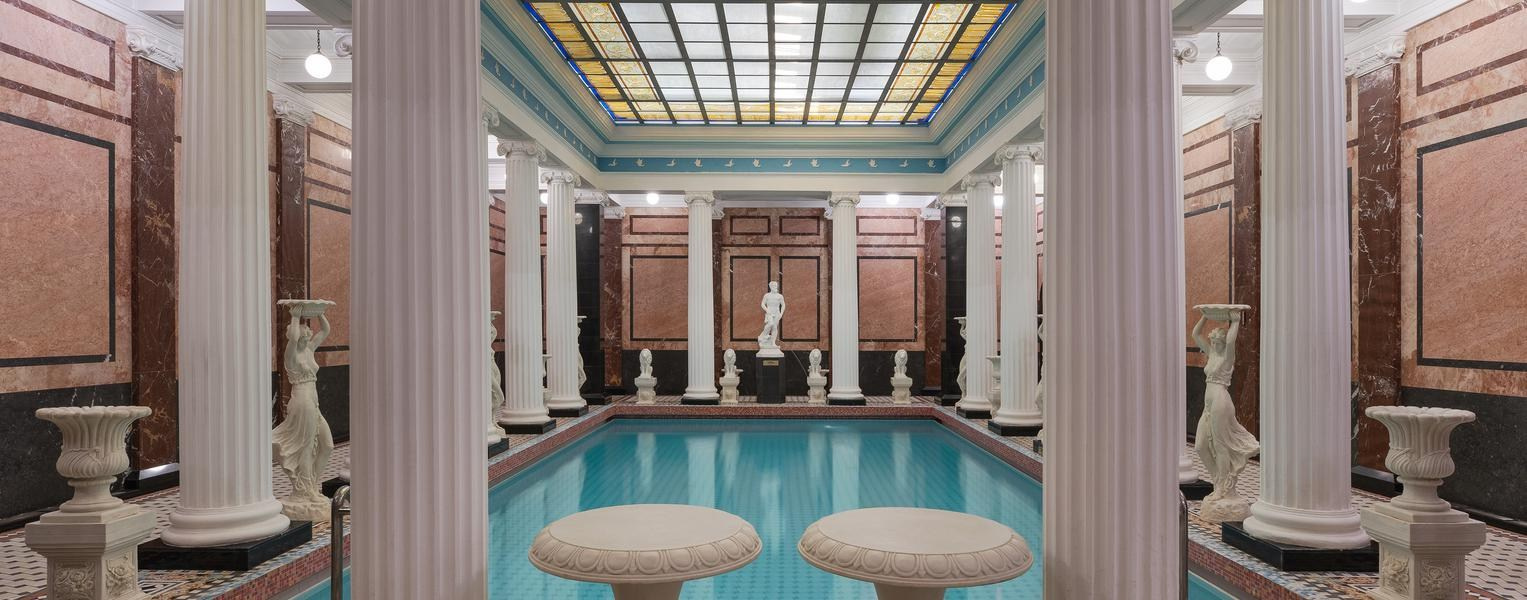
Interestingly, the same architects were simultaneously renovating the Sandunov Baths themselves, which are located behind the apartment building in the second line of structures.
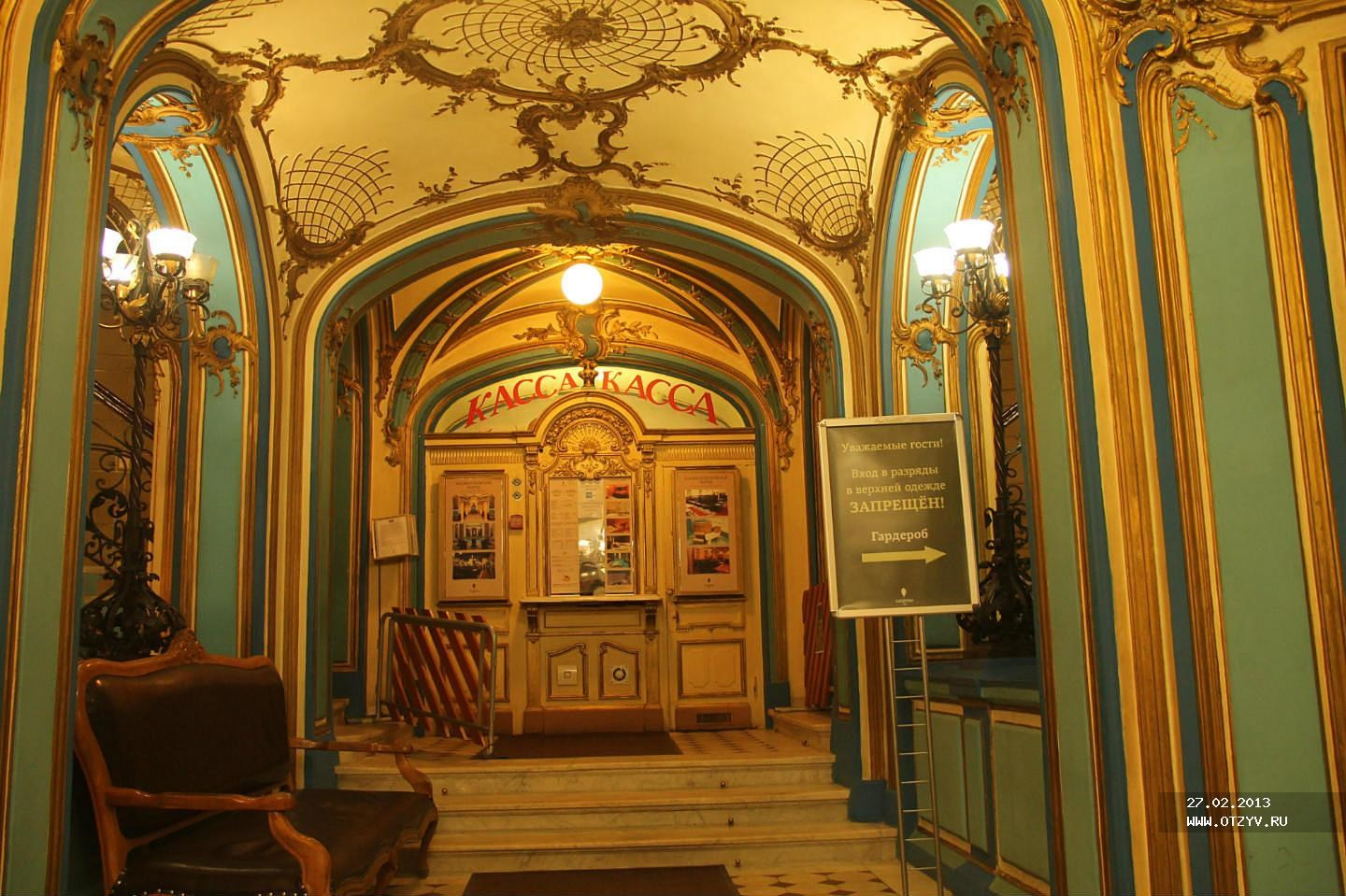
The renovation was initiated by Alexey Ganetsky and financed by Vera Firsanova (his wife). Architect Boris Freudenberg began the project but left due to a conflict with the client. Architects Sergey Kalugin and Vladimir Chagin completed the baths. The complex opened on February 14, 1896.
The entire complex was sometimes referred to as the “Sandunov Passage.”
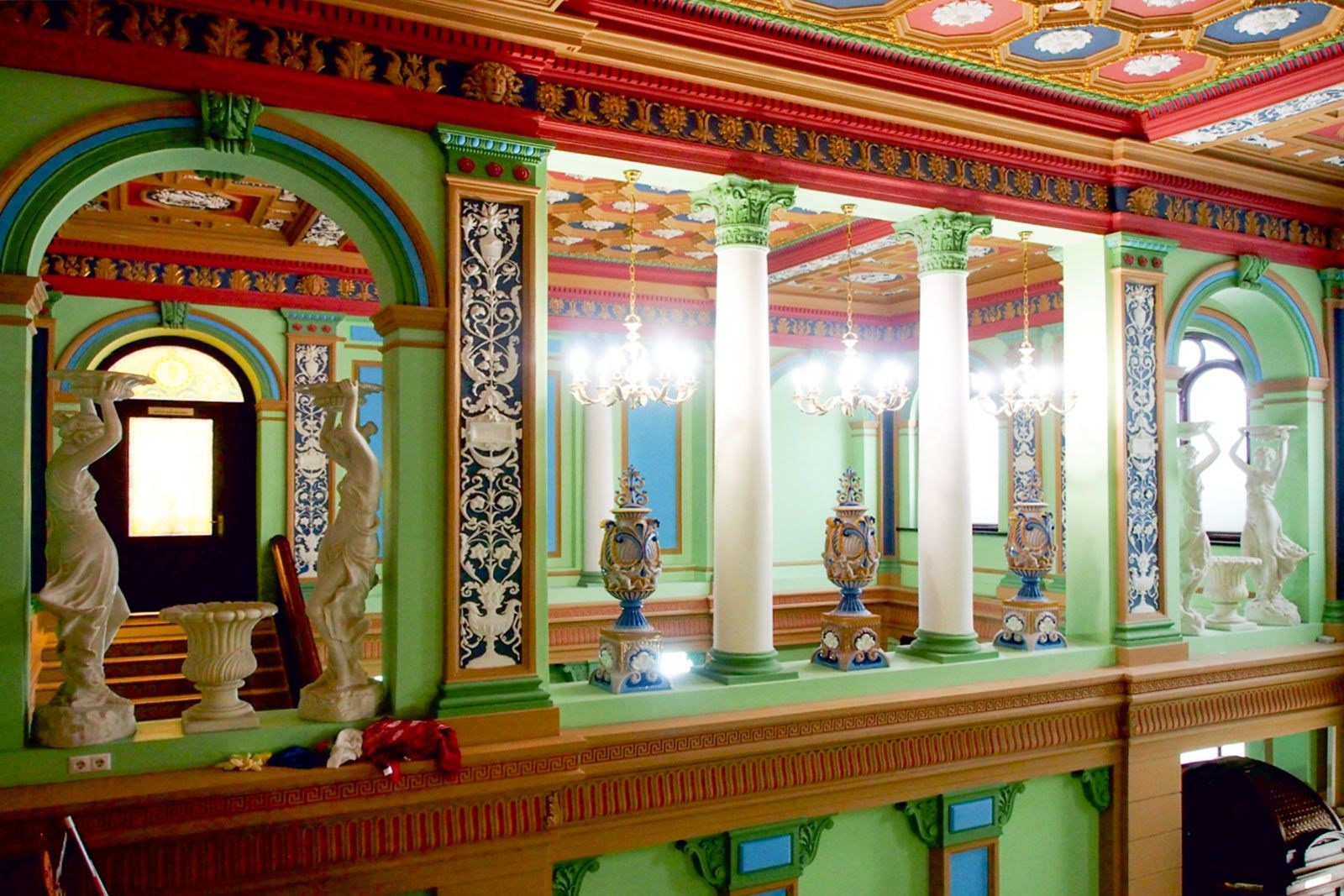
Architecture and decor
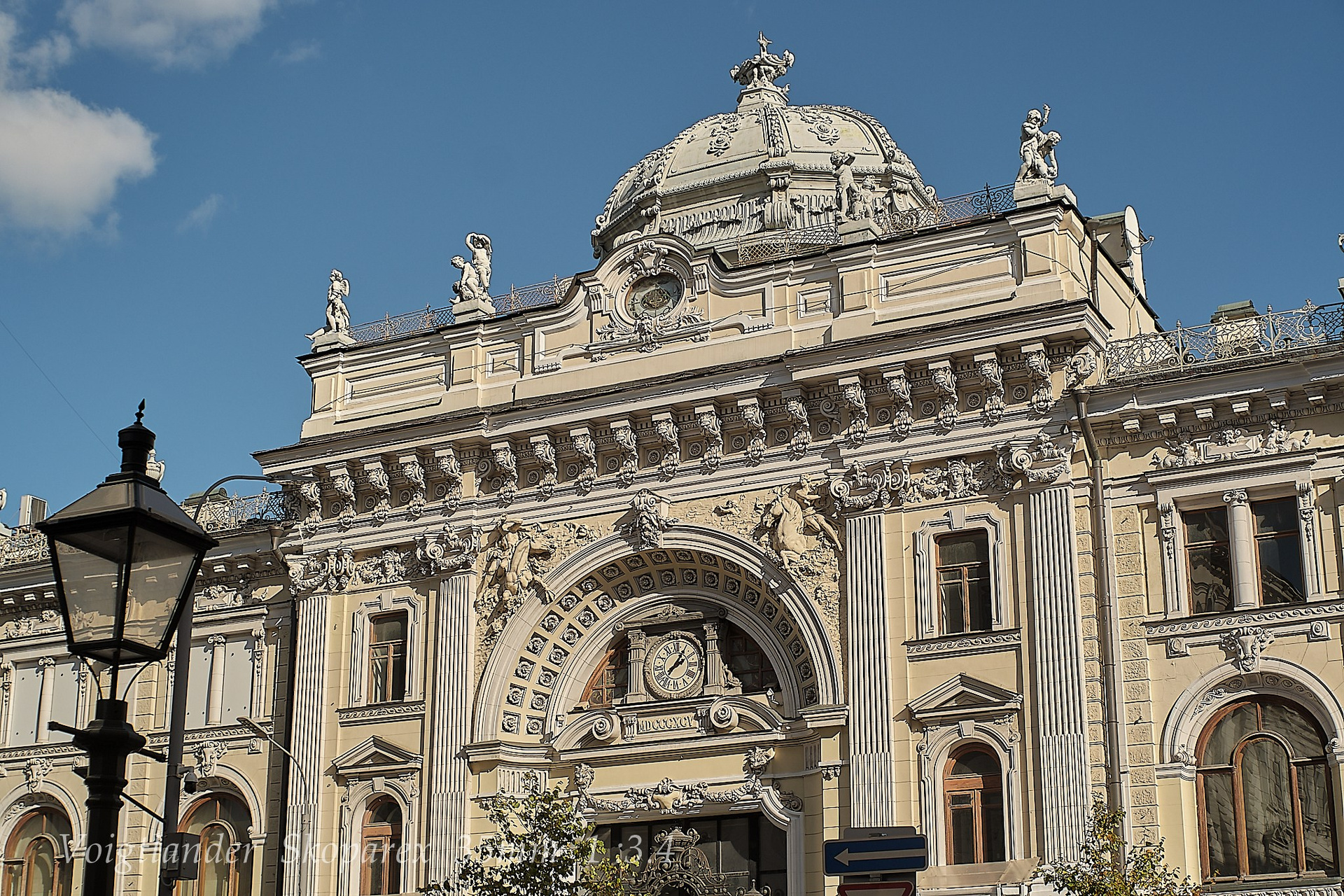
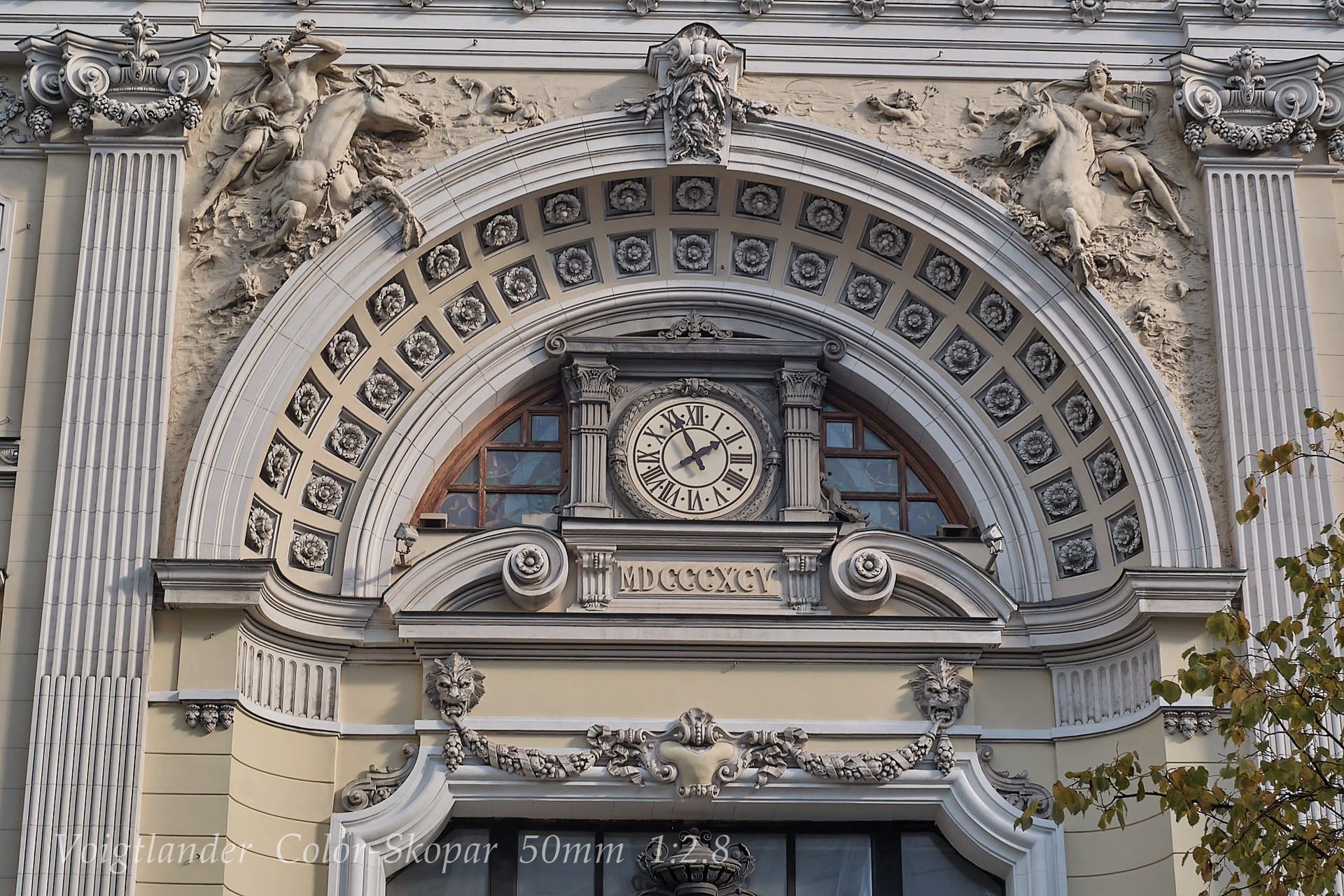
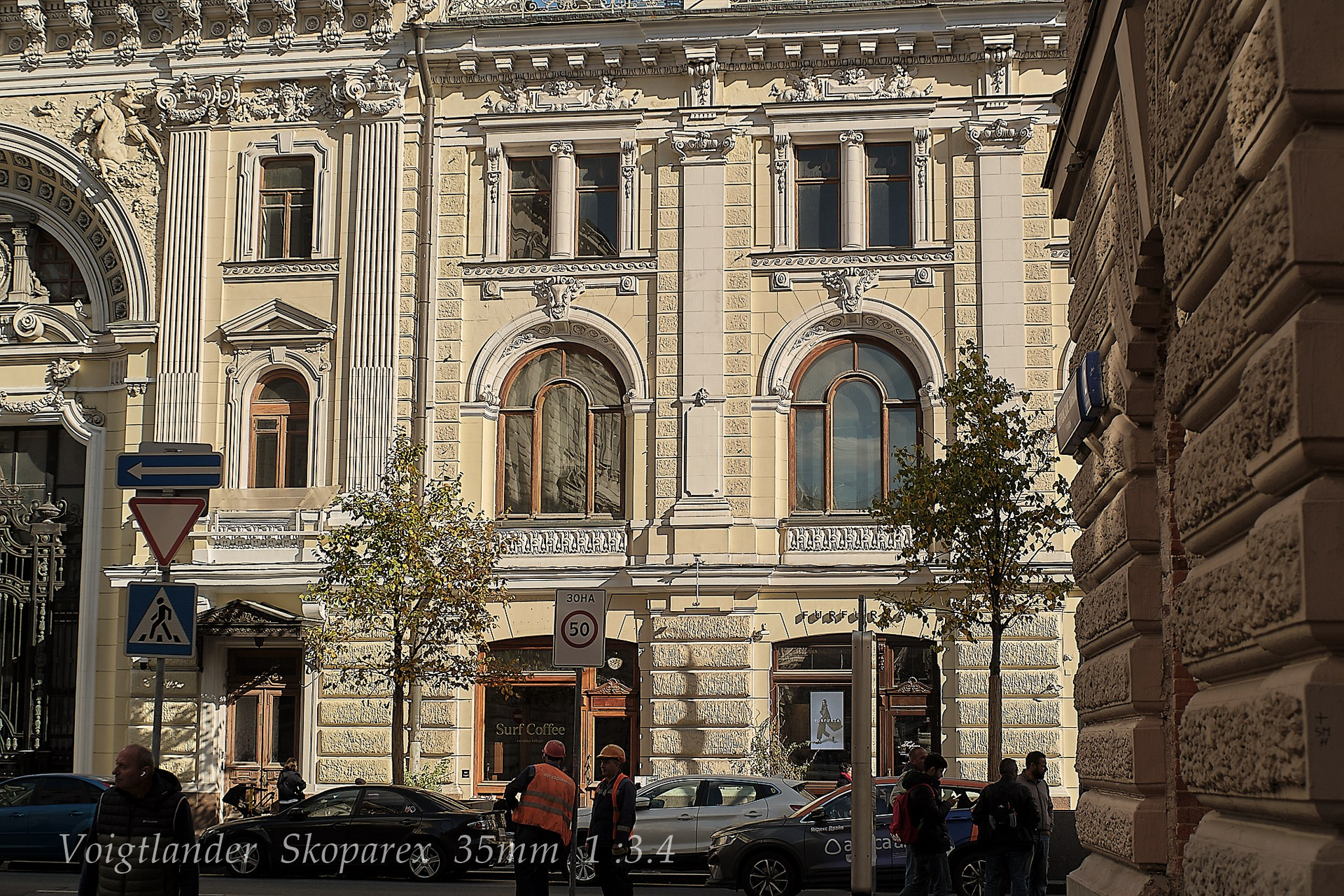
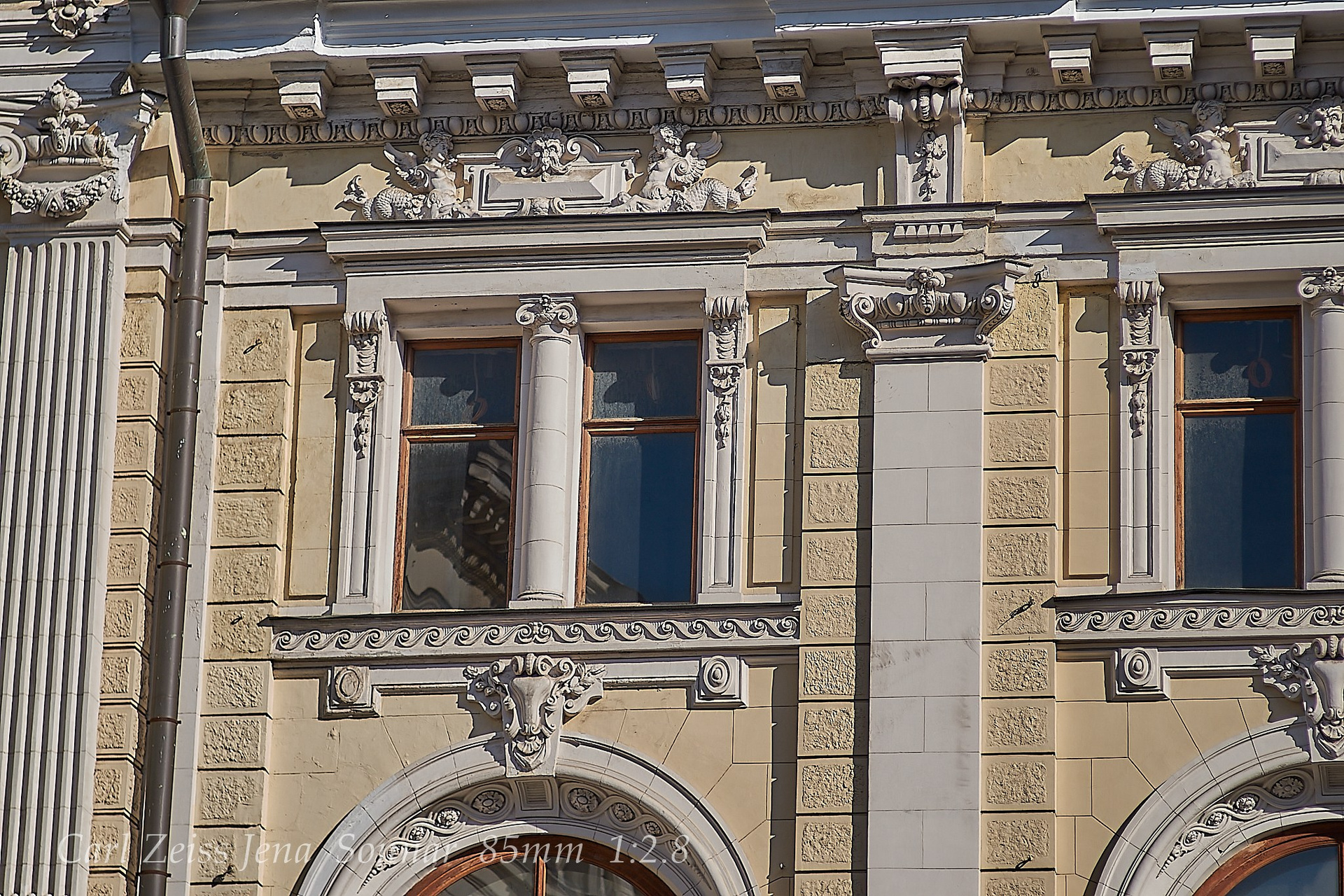
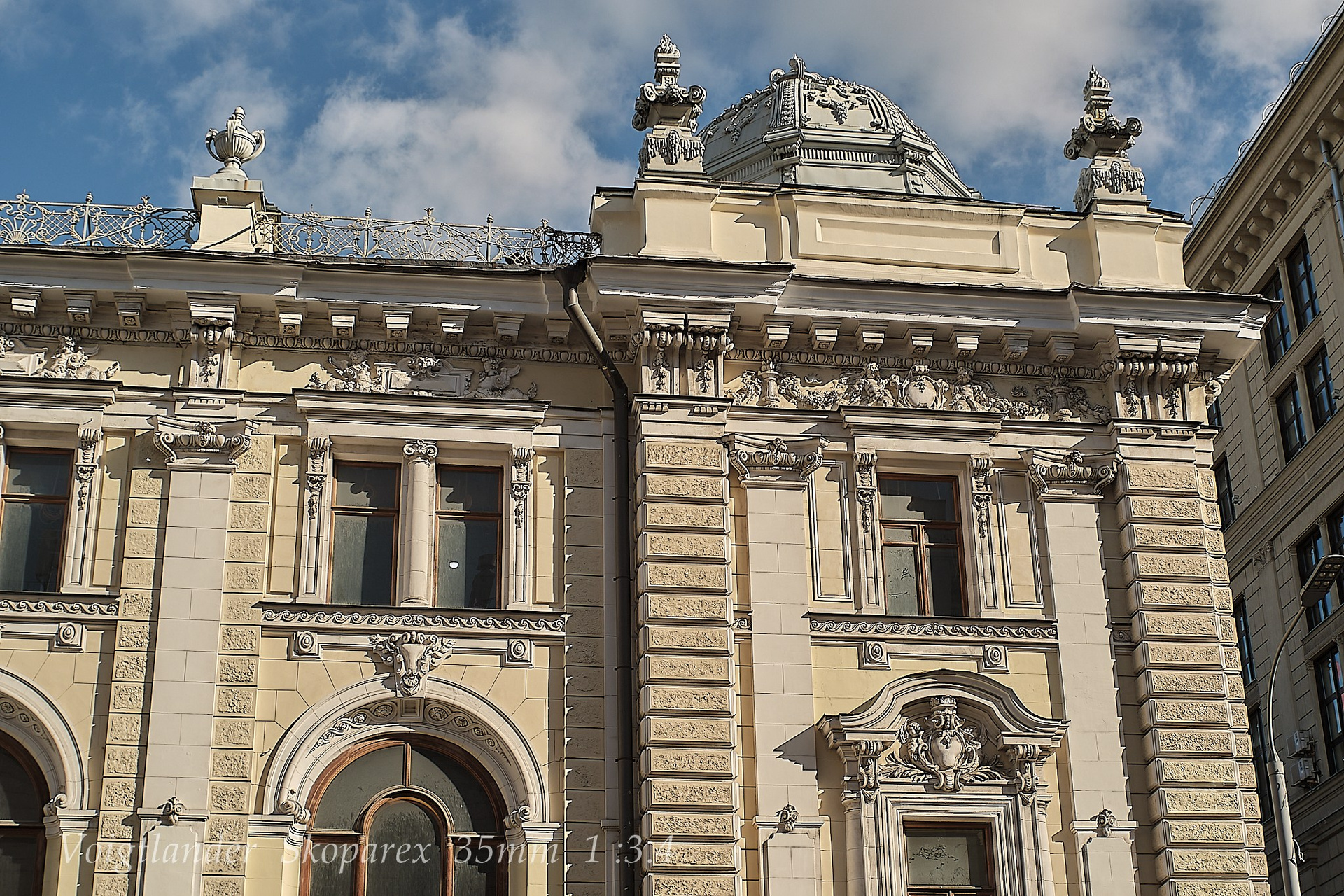
The building’s façade facing Neglinnaya Street is richly adorned with marine-themed stucco ornamentation. Features include:
- lion-head mascarons;
- heads of Triton;
- stucco figures of a mermaid with a lyre and a youth blowing a horn, emerging from sea foam on seahorses;
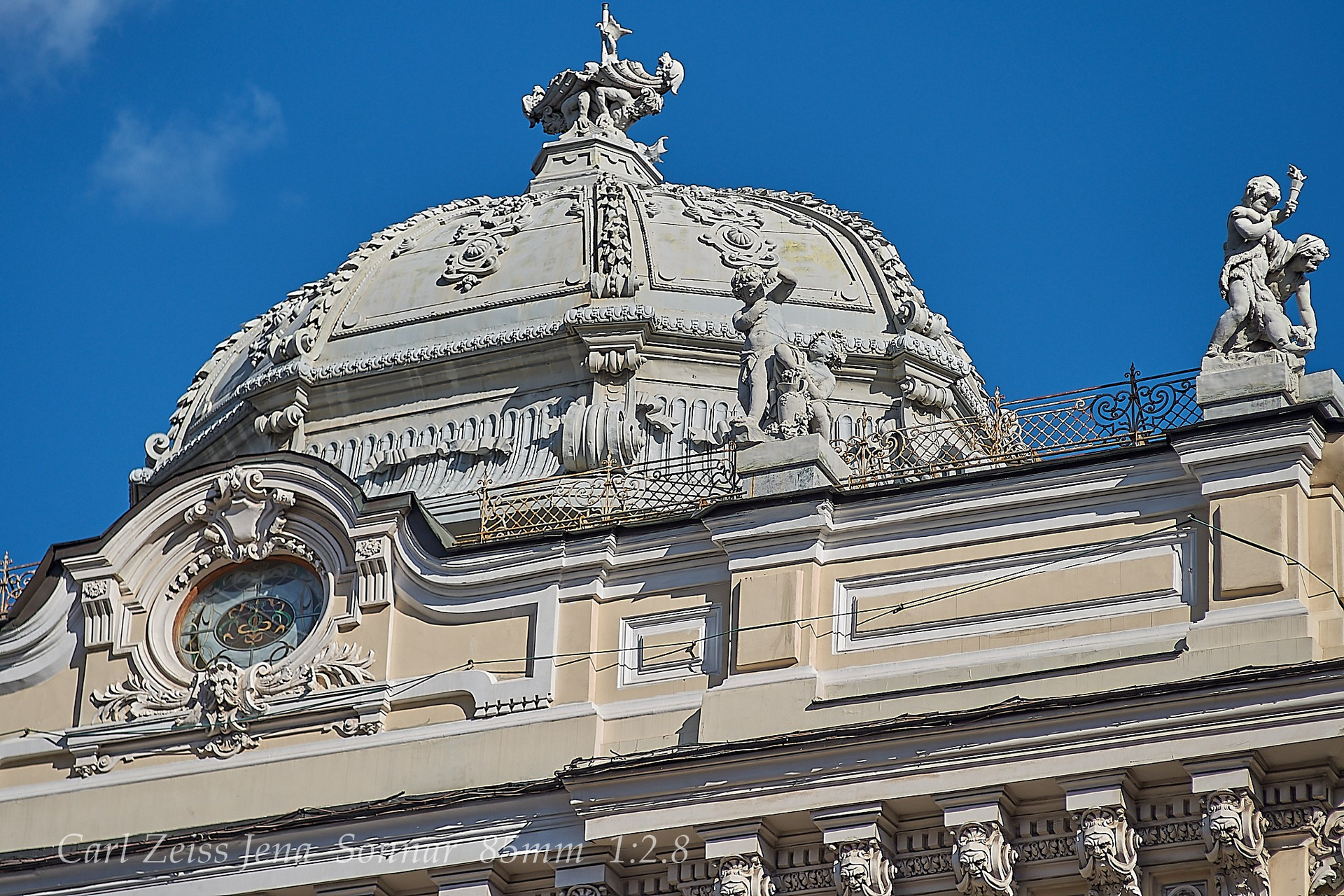
- figures of tritons on the richly decorated dome;
- sculptural compositions of boys bathing, located on the roof.
A massive three-part archway, featuring a beautiful wrought-iron gate, leads into an inner courtyard designed in a “Moorish” or “Arabesque” style, complete with numerous sculptures and a fountain (which has not survived).
Above the arch, beneath the clock, the Roman numerals “MDCCCXCV” are inscribed, marking 1895—the year the building was constructed.
This lavish ornamentation created the impression of a grand gateway to a “realm of baths.”
Building Usage
The building was originally conceived as a revenue house (an apartment building for rent). Retail spaces occupied the ground floor along Neglinnaya Street, while the upper floors and side wings facing the side streets housed luxurious rental apartments. The owner’s own apartment was also locate here.
Famous Resident and Tenants
From May to November 1902, Anton Pavlovich Chekhov rented a five-room apartment on the ground floor with windows facing Zvonarsky Lane. Visitors to the writer included Maxim Gorky, Konstantin Stanislavsky, Ivan Bunin, Vladimir Gilyarovsky, and other cultural figures.
Shortly after the building’s completion, the ground-floor retail space became home to the sheet music shop of P. I. Jurgenson. Jurgenson was the publisher who first printed the complete works of Chopin, Schumann, Grieg, and Mendelssohn—as well as all of Wagner’s operas—in Russia. The “Sheet Music” shop operated here for over a century, remaining open until the mid-2000s. In 1903, Moscow’s first free sheet music library opened at the shop.


