THE ART OF THE ELIZABETH BAROKKO: The Church of the Hieromartyr Clement, Pope of Rome
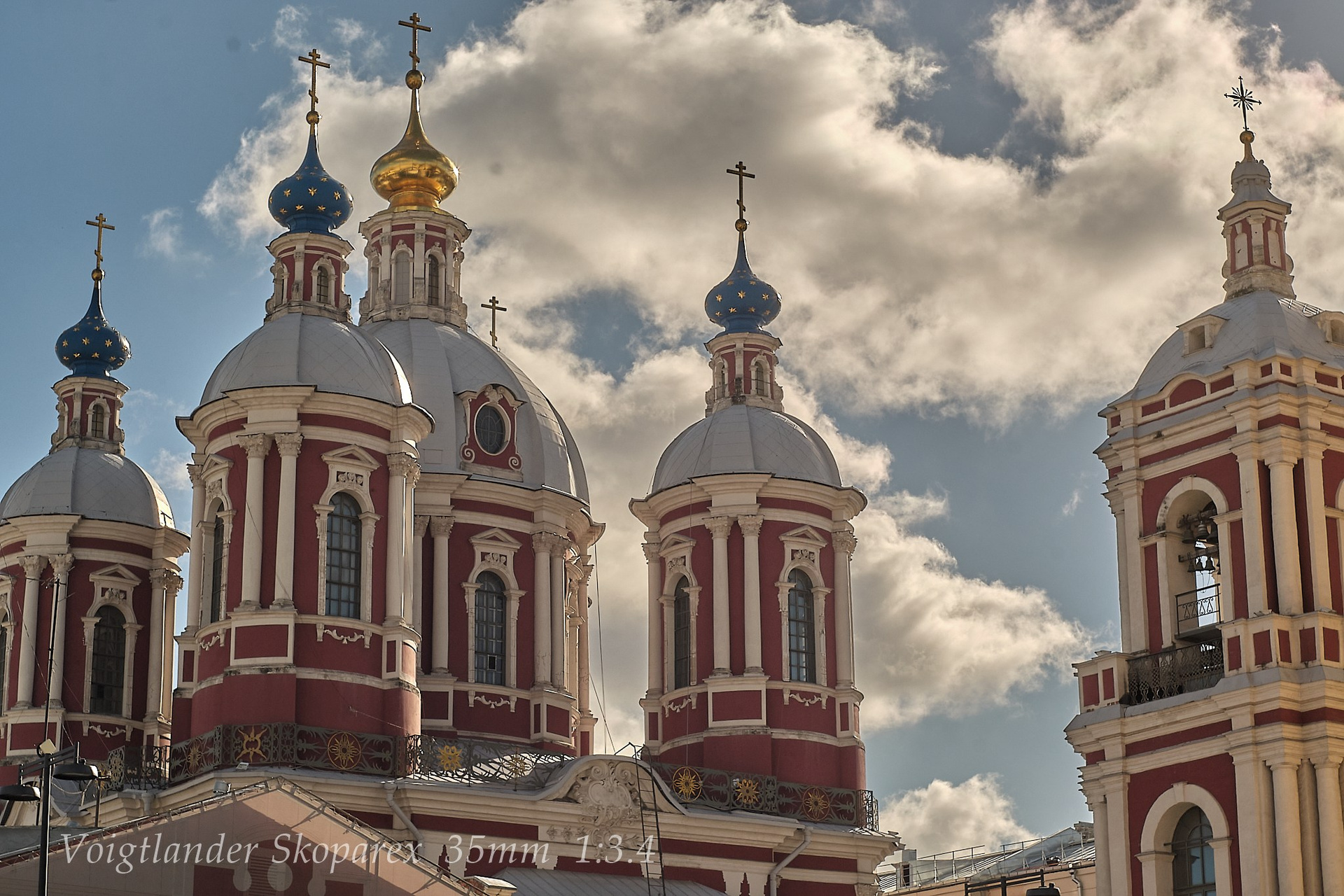
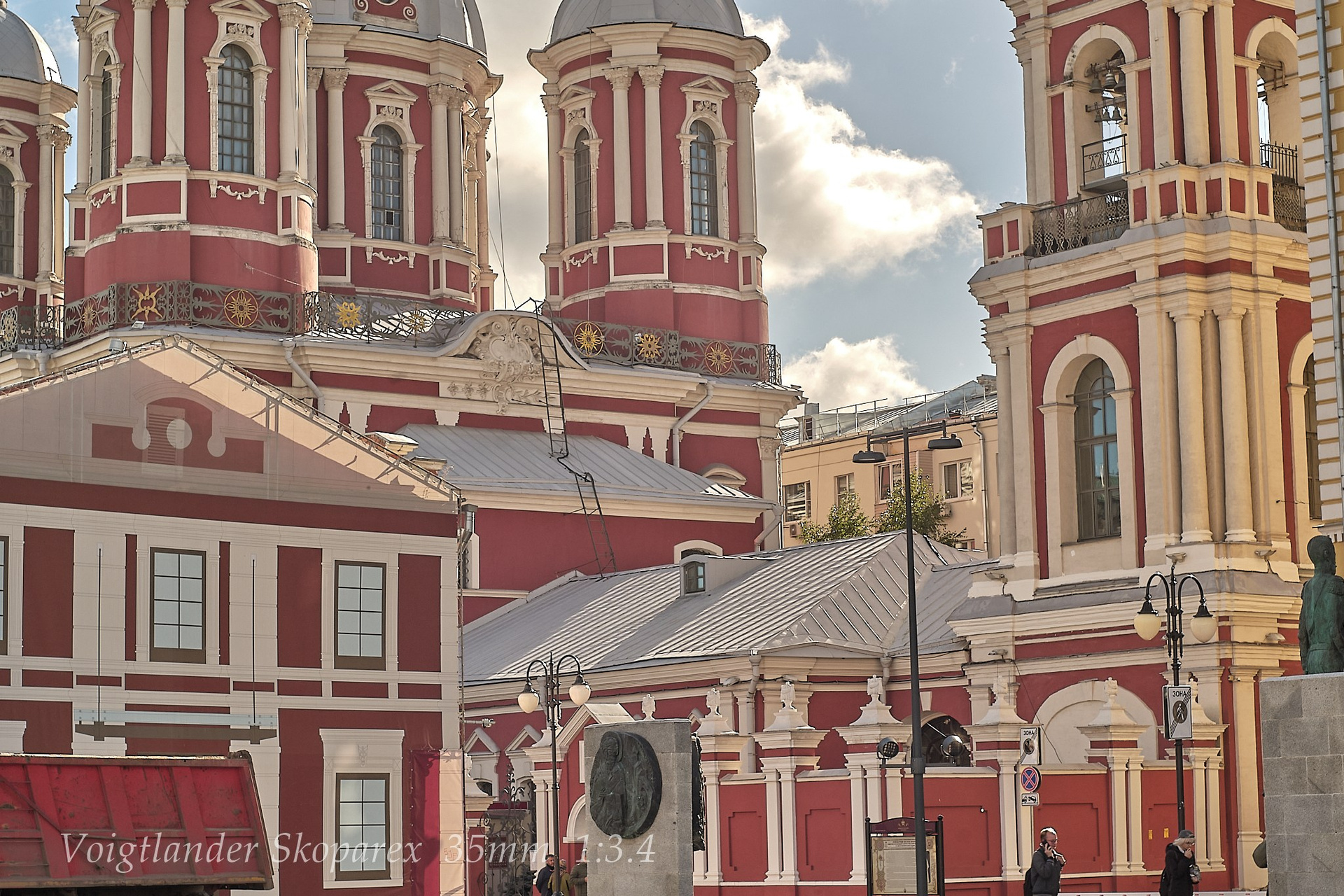
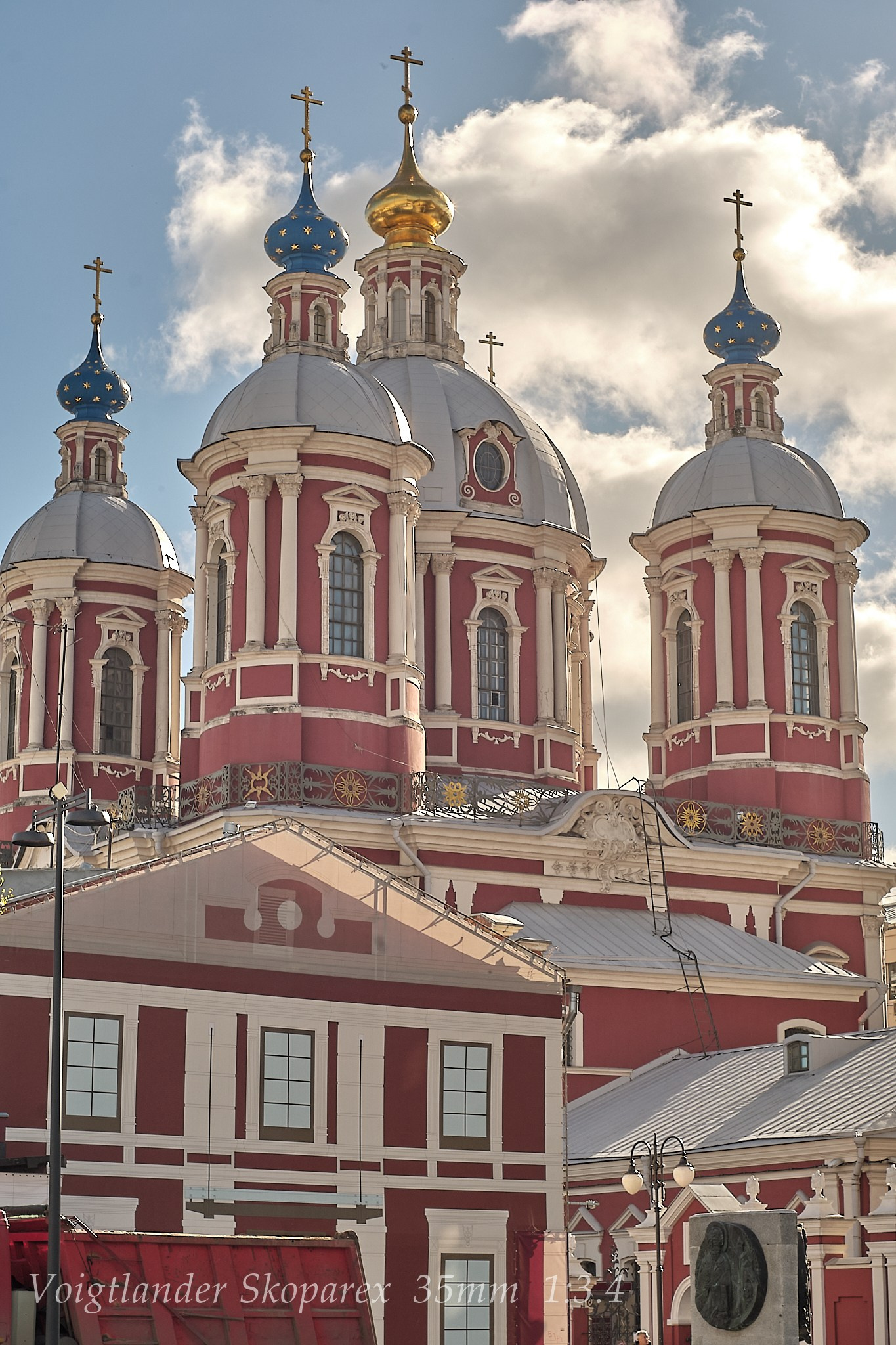
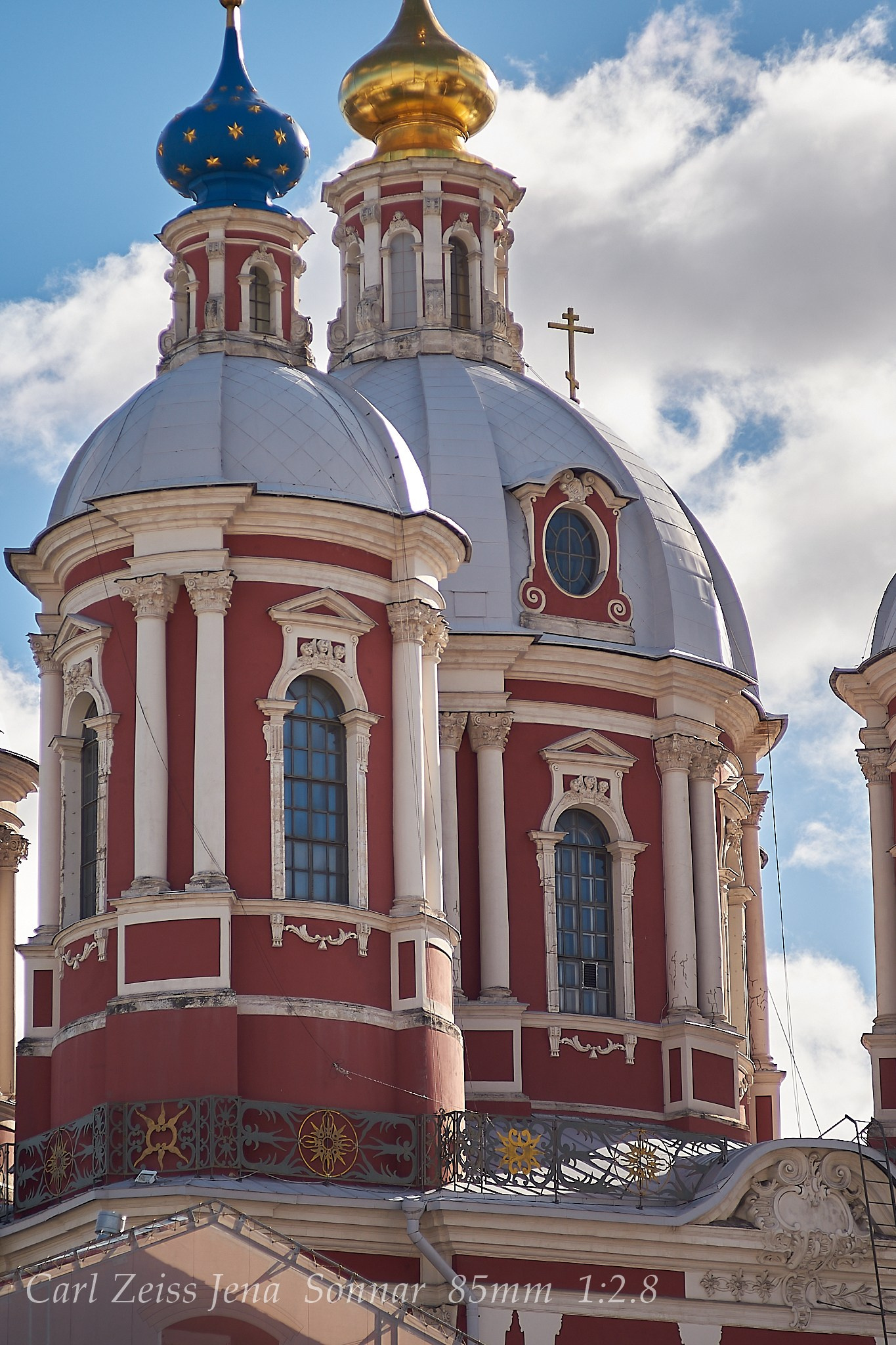
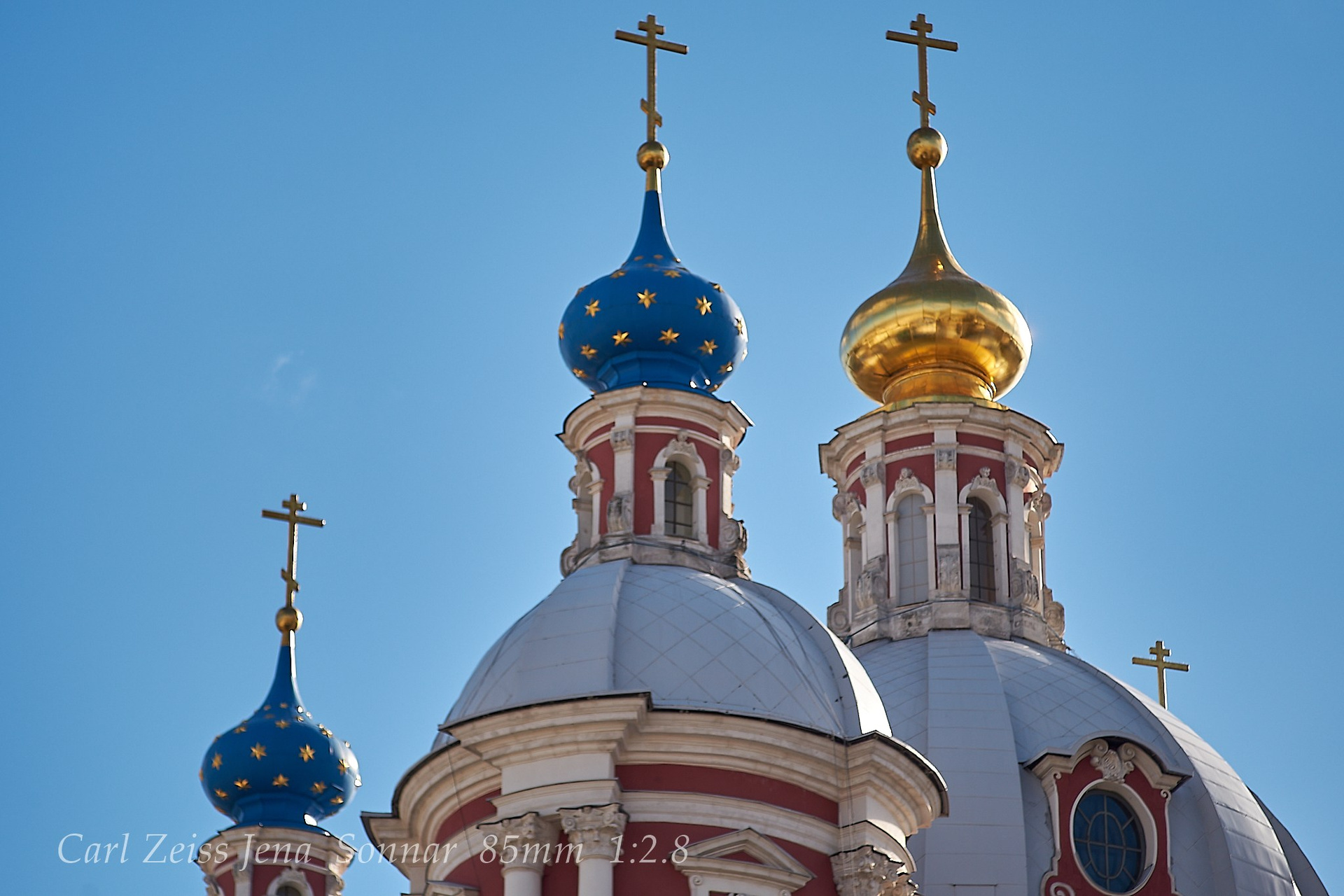
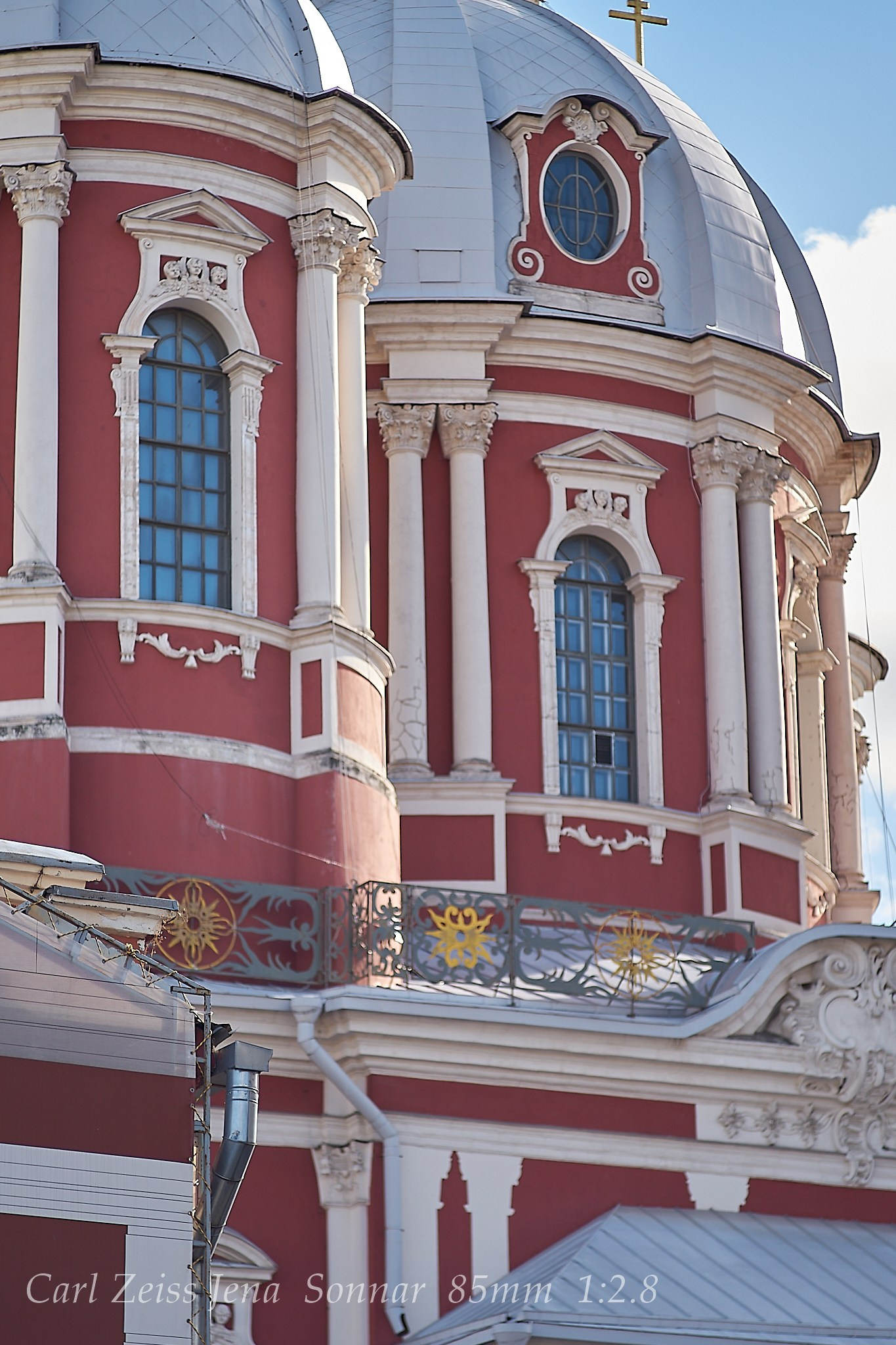
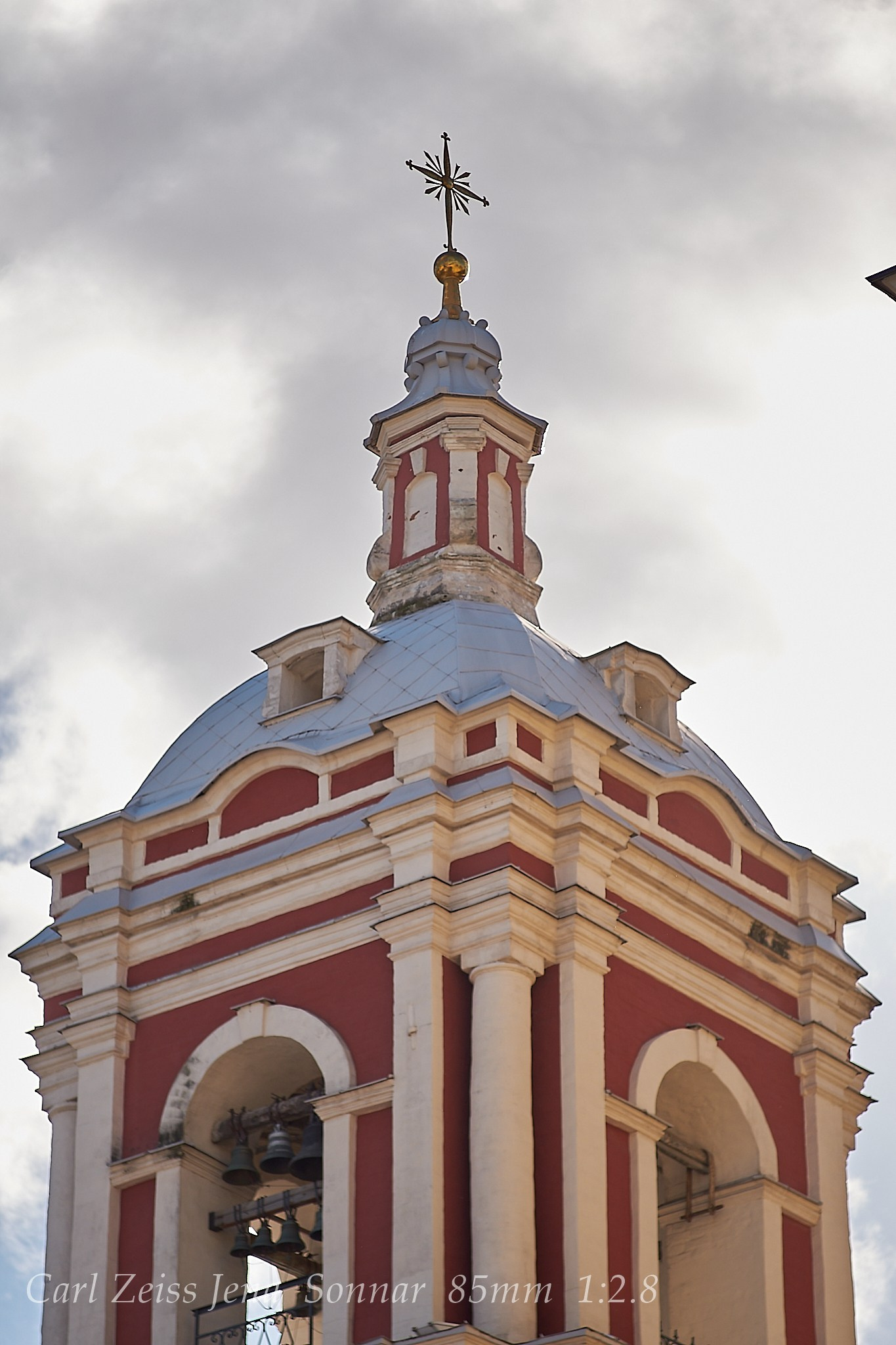
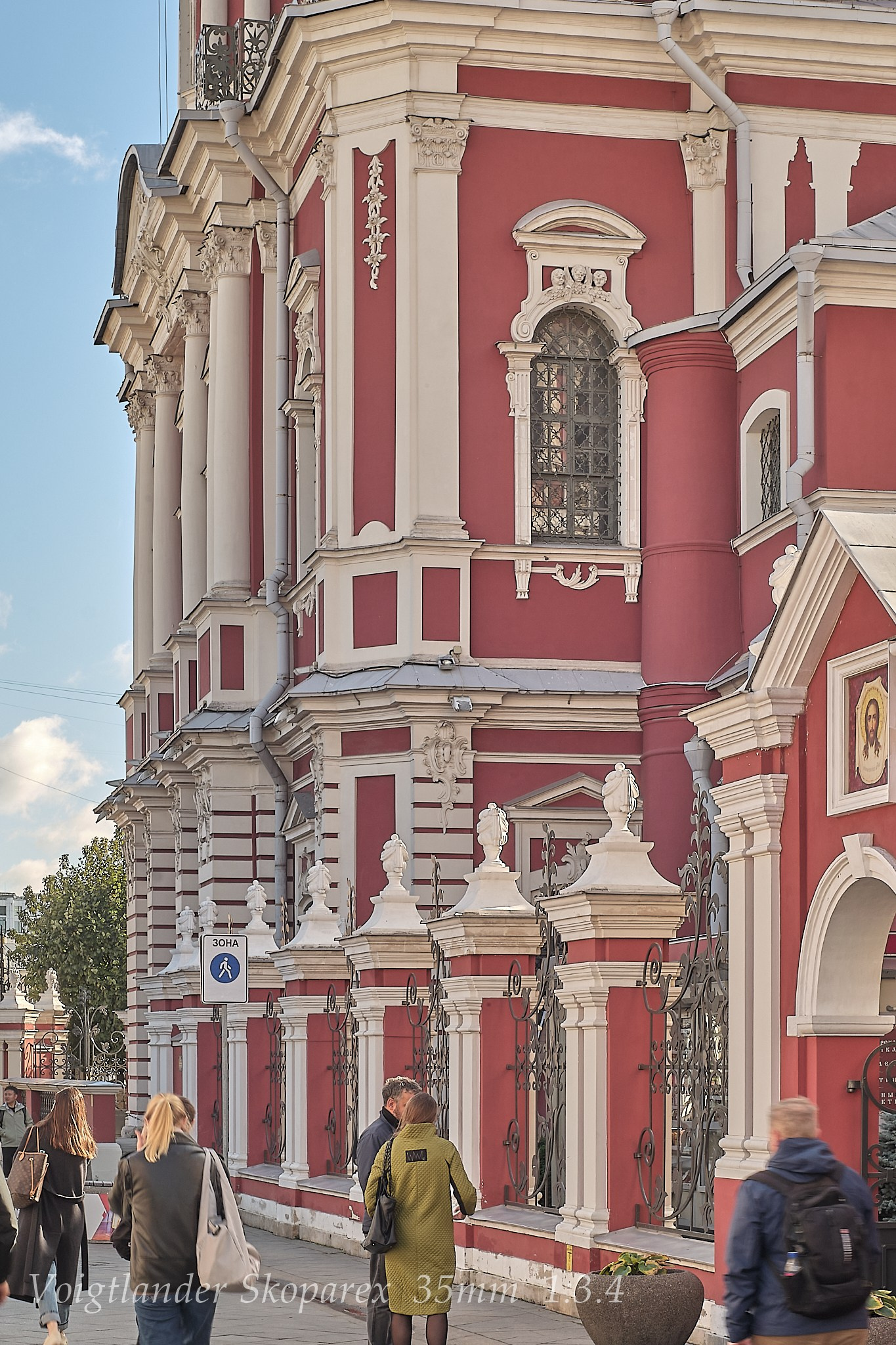
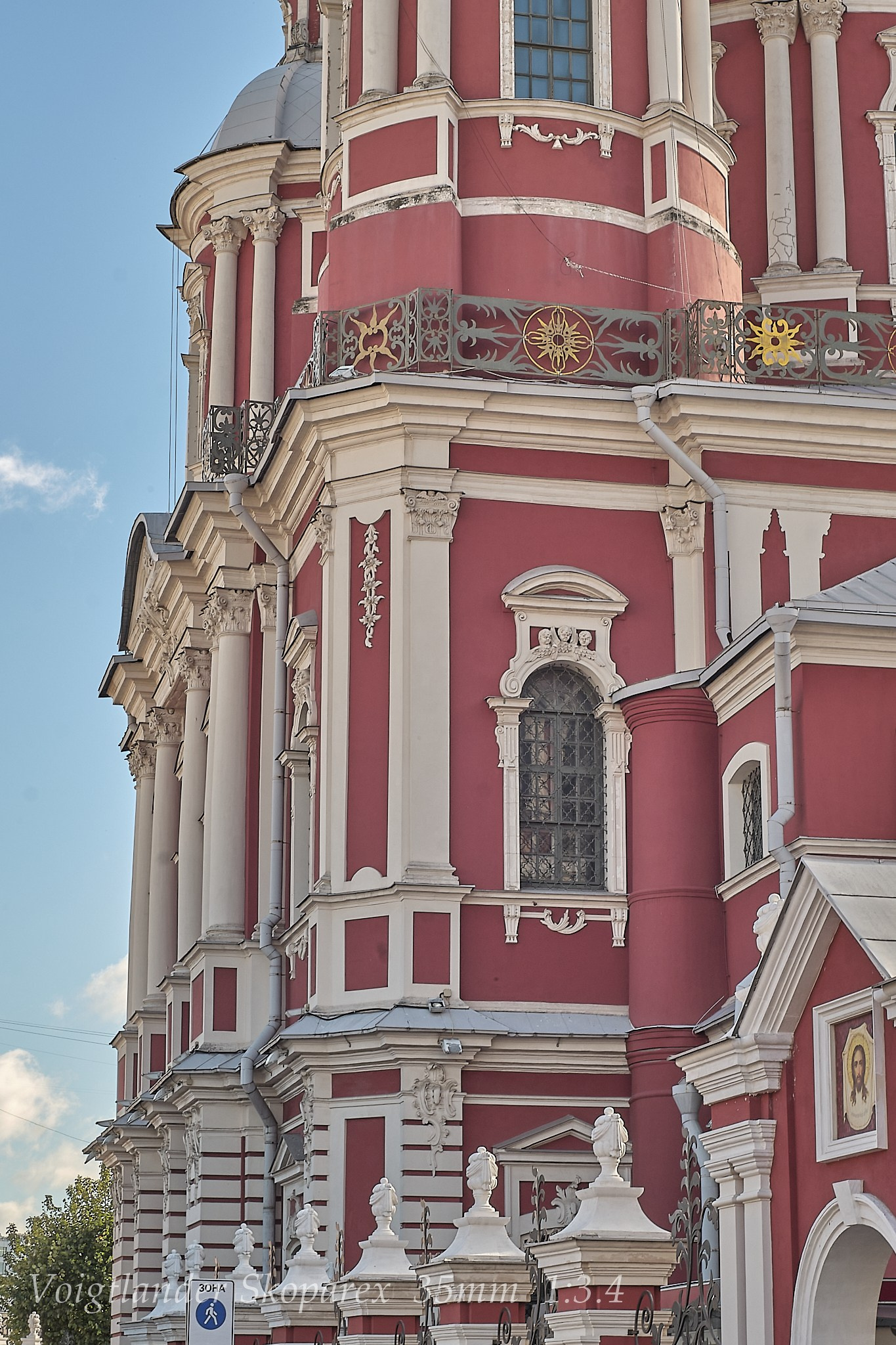
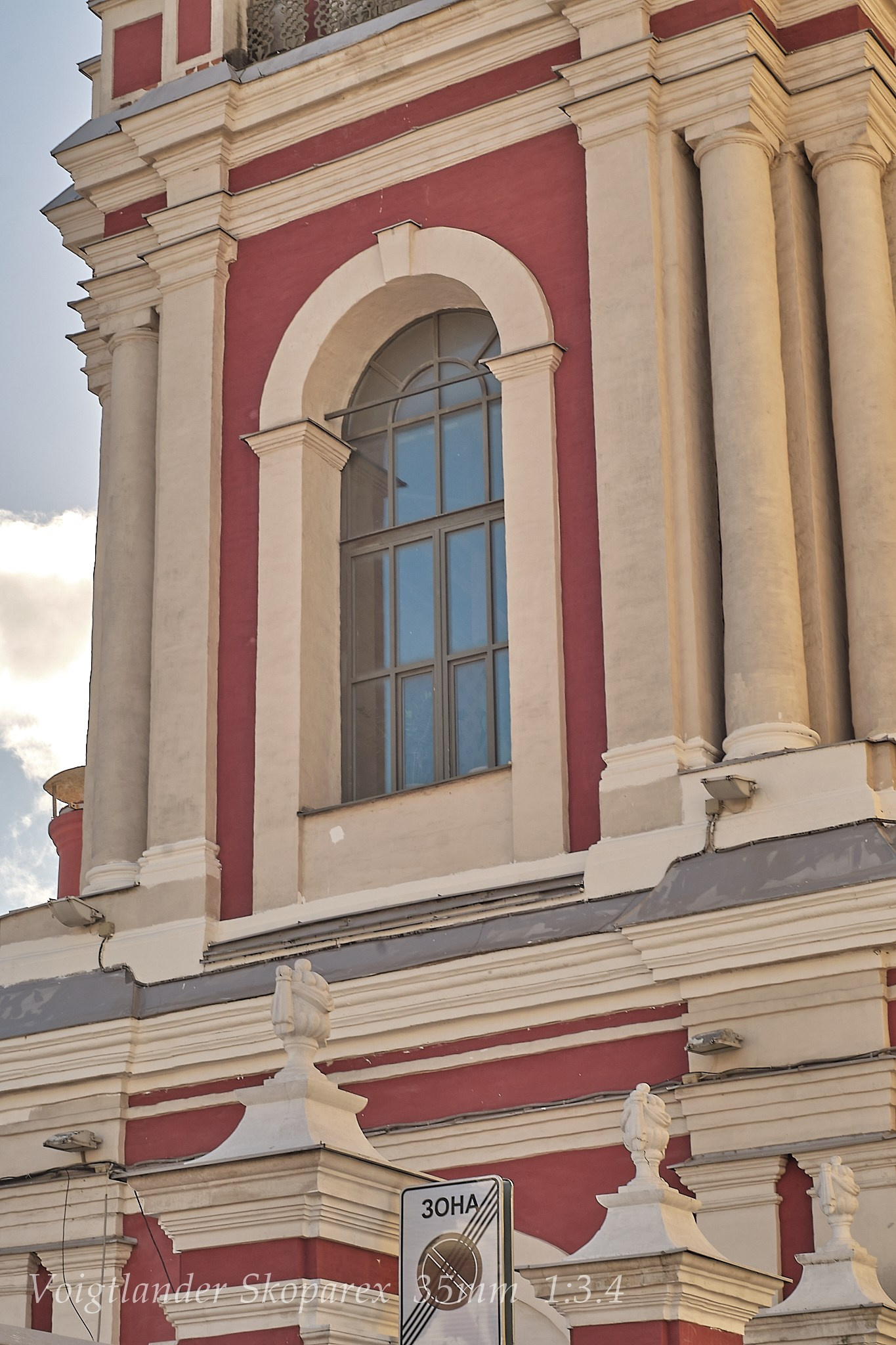
The Church of the Hieromartyr Clement, Pope of Rome
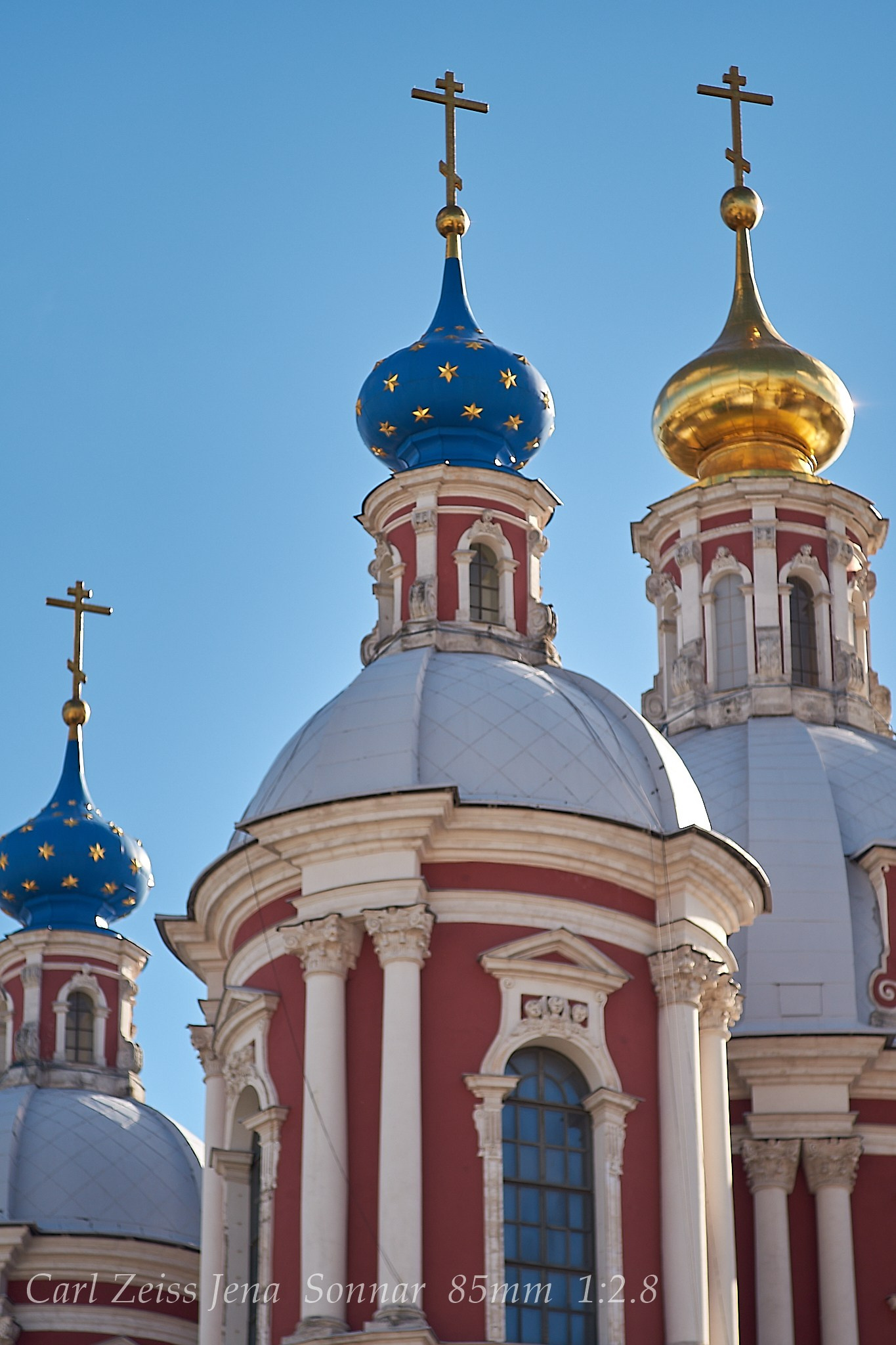
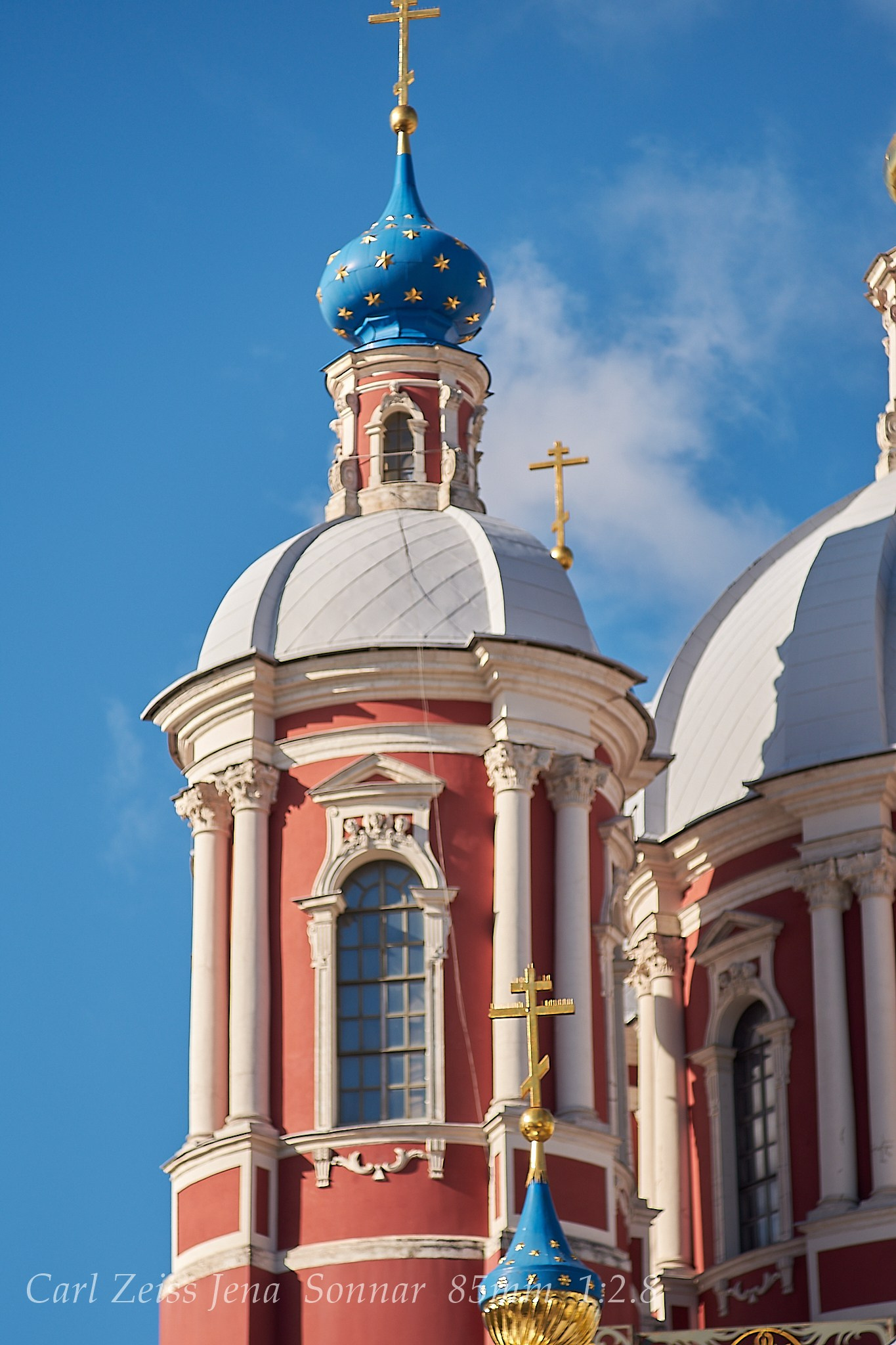
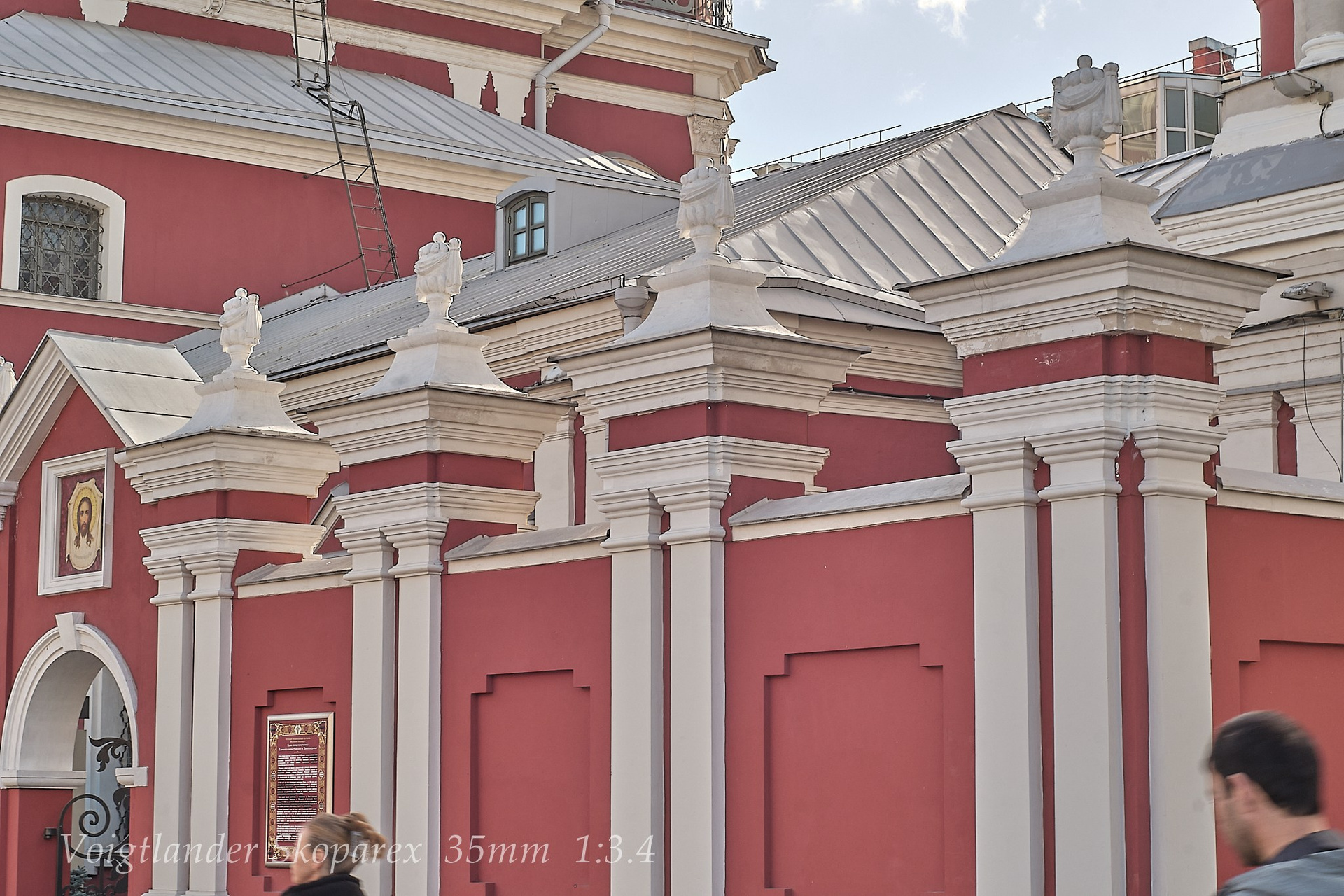
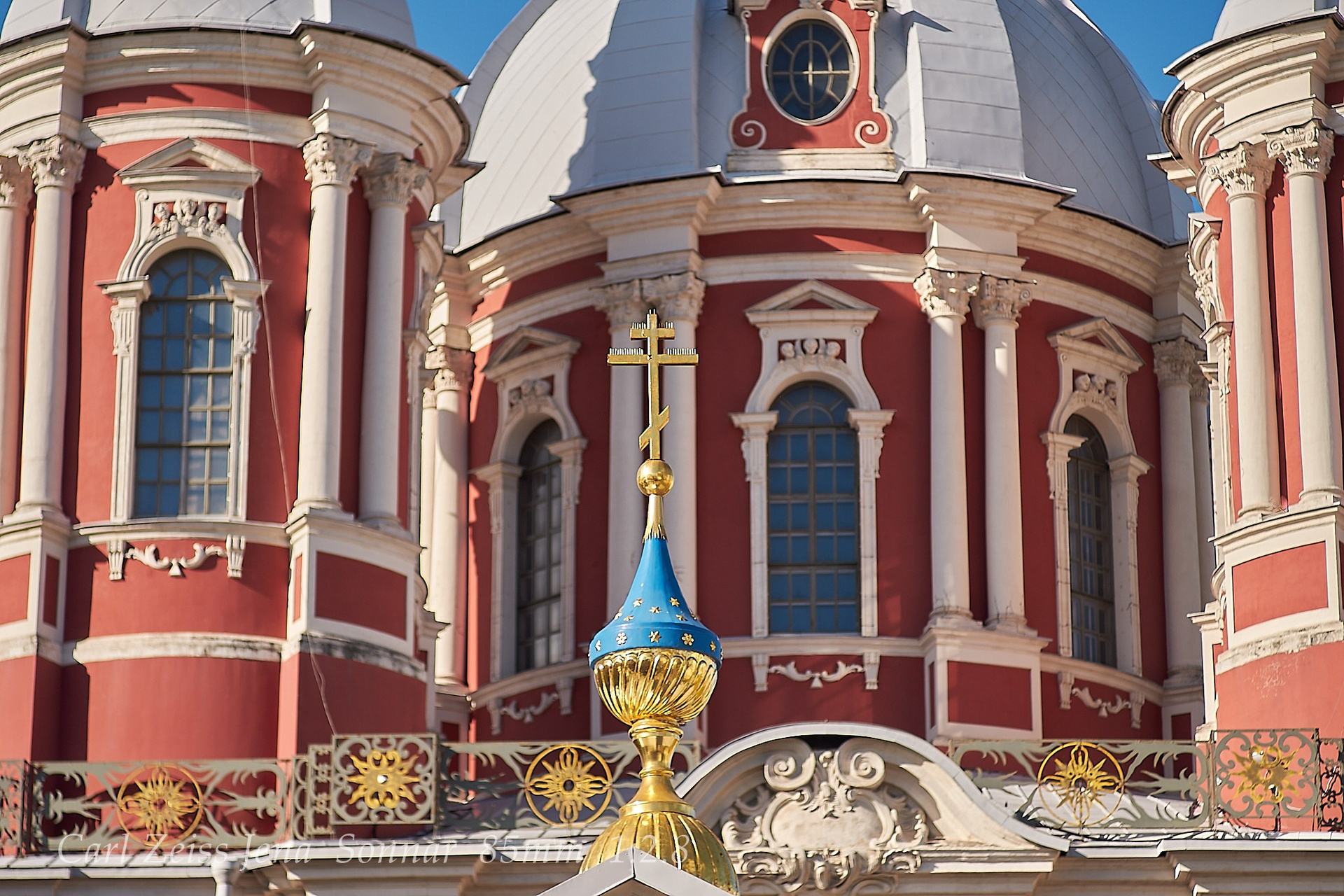
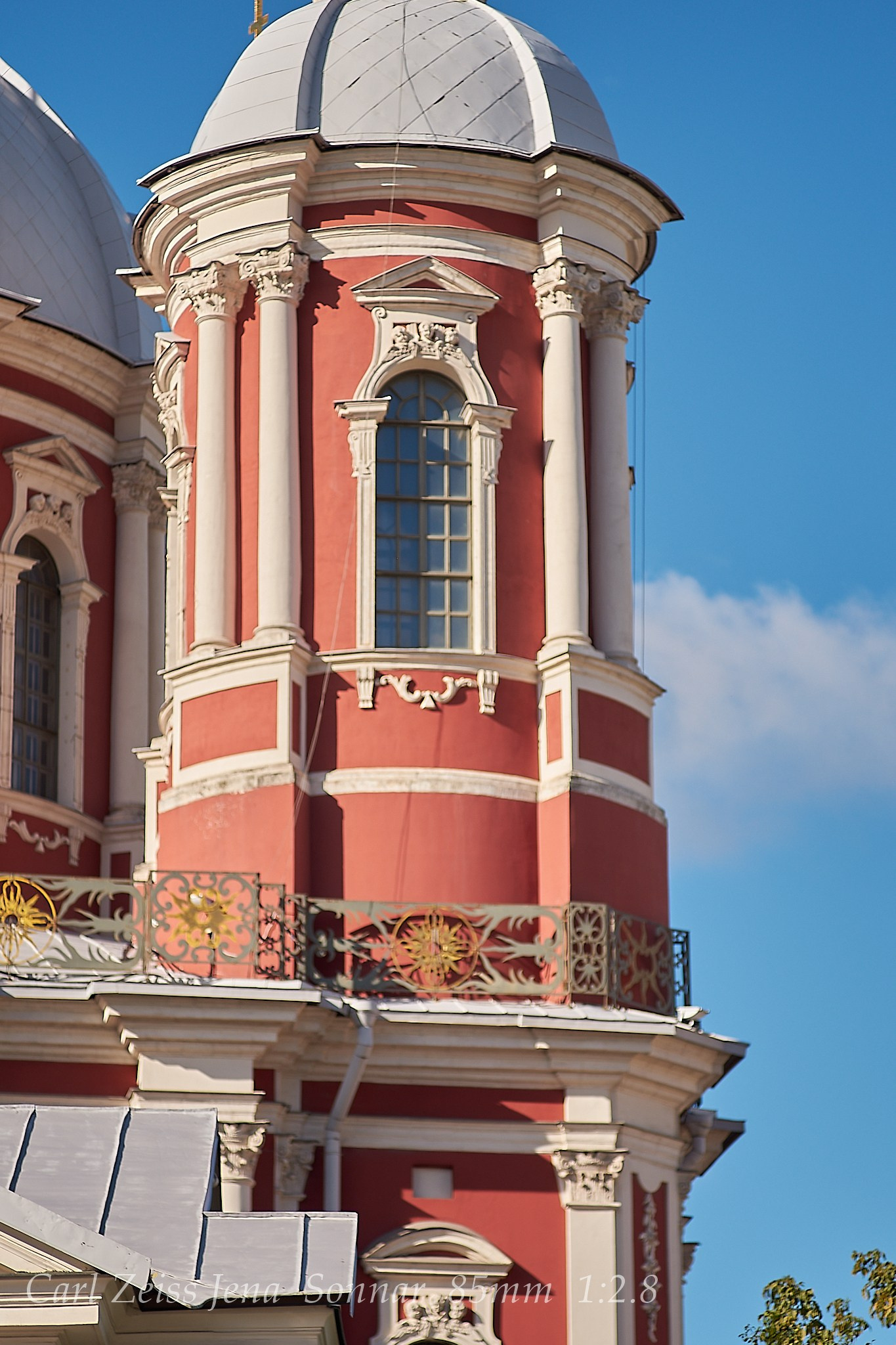
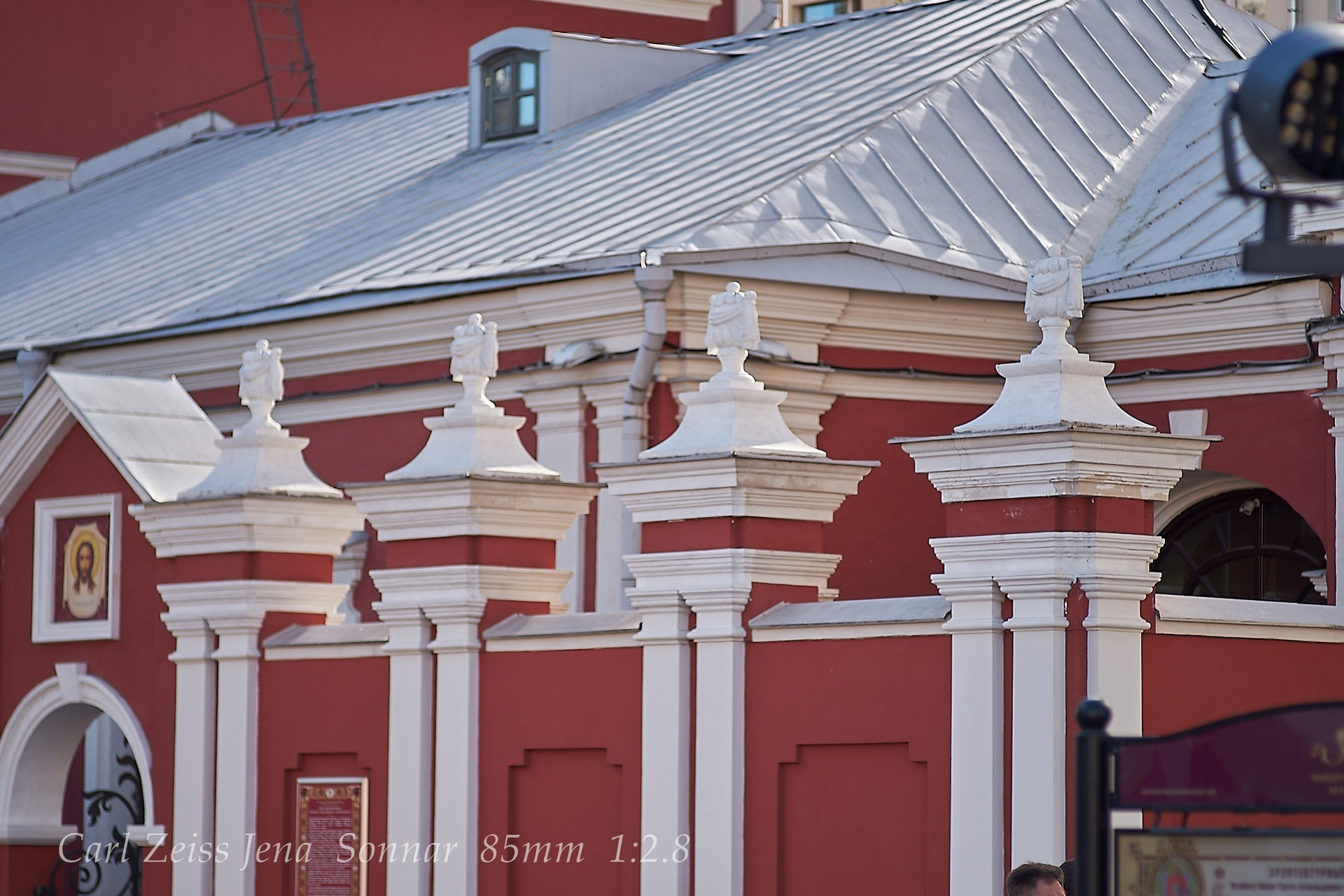
The Church of the Hieromartyr Clement, Pope of Rome, in Moscow is a striking example of Elizabethan Baroque architecture.
Key construction stages and architectural features:
- 1657: The first stone church was built.
- 1662: Duma clerk Alexander Durov rebuilt the church with three side chapels.
- 1720: The church was rebuilt.
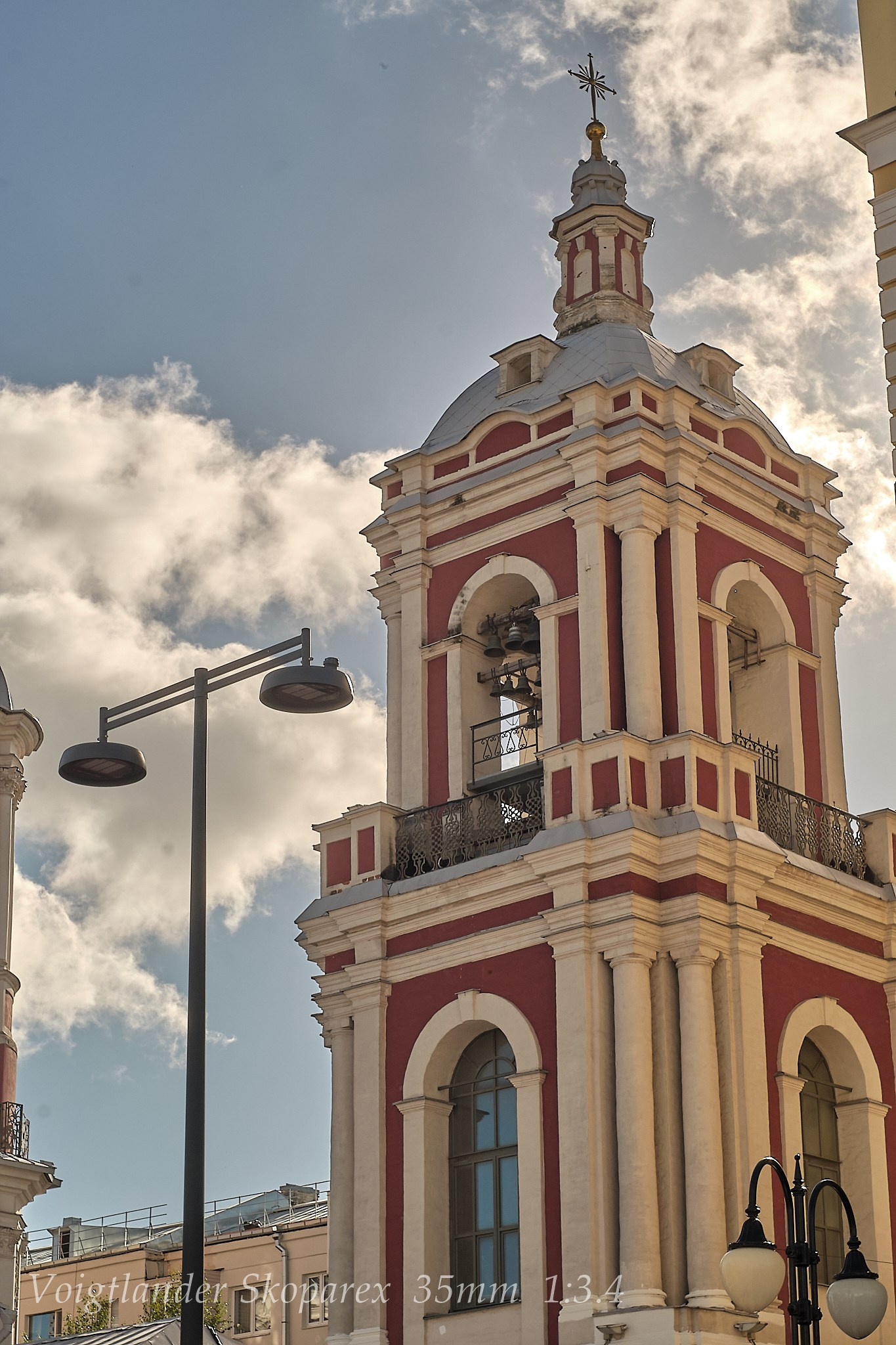
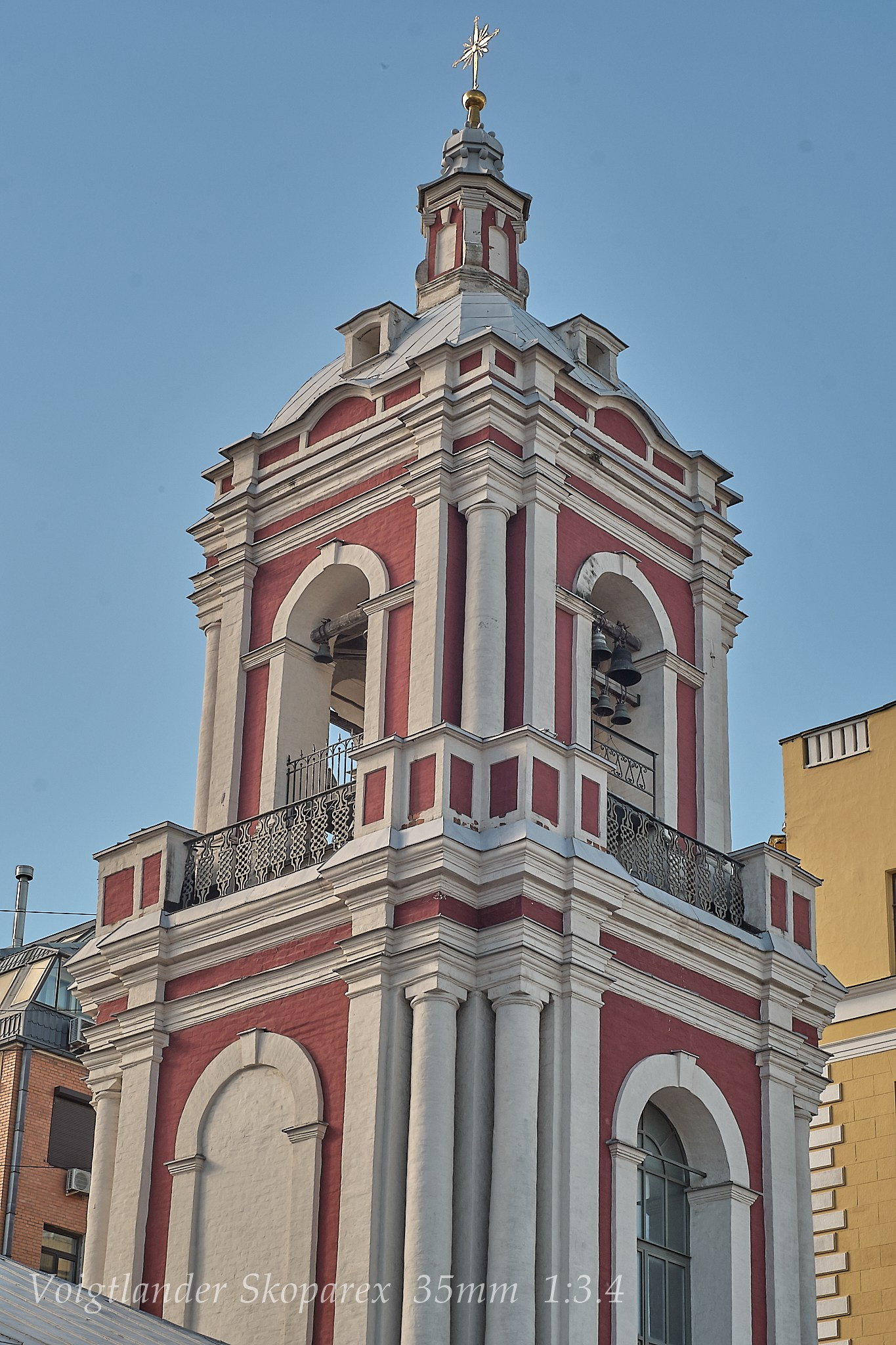
- 1756–1758: A refectory and bell tower were added.
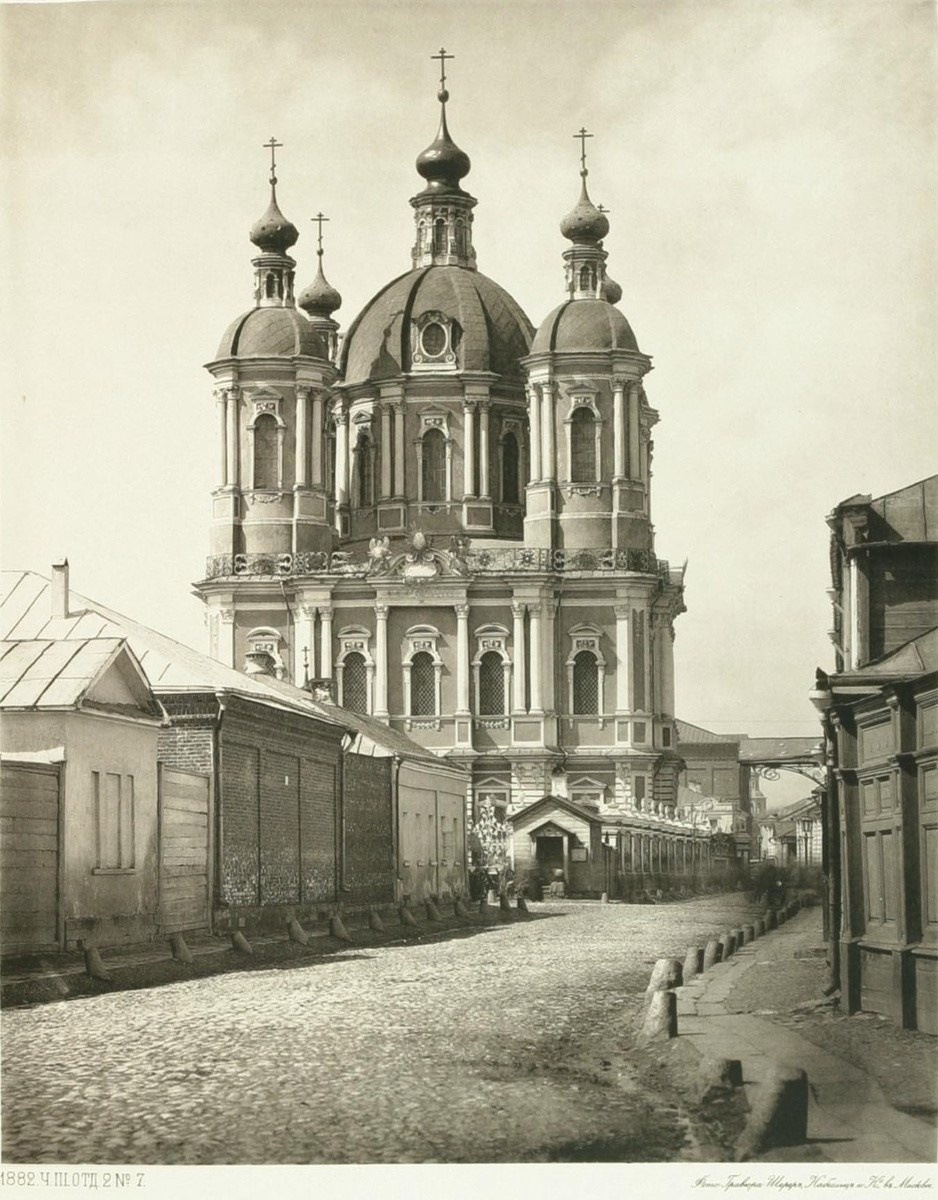
- 1762–1769: The current five-domed church was erected, funded by the merchant Kuzma Matveyev.
Architectural characteristics:
- Style: Elizabethan Baroque.
- Architect: The design is attributed to Pietro Antonio Trezini, though the exact authorship remains unconfirmed; construction may have been based on a design by Alexey Yevlashev.
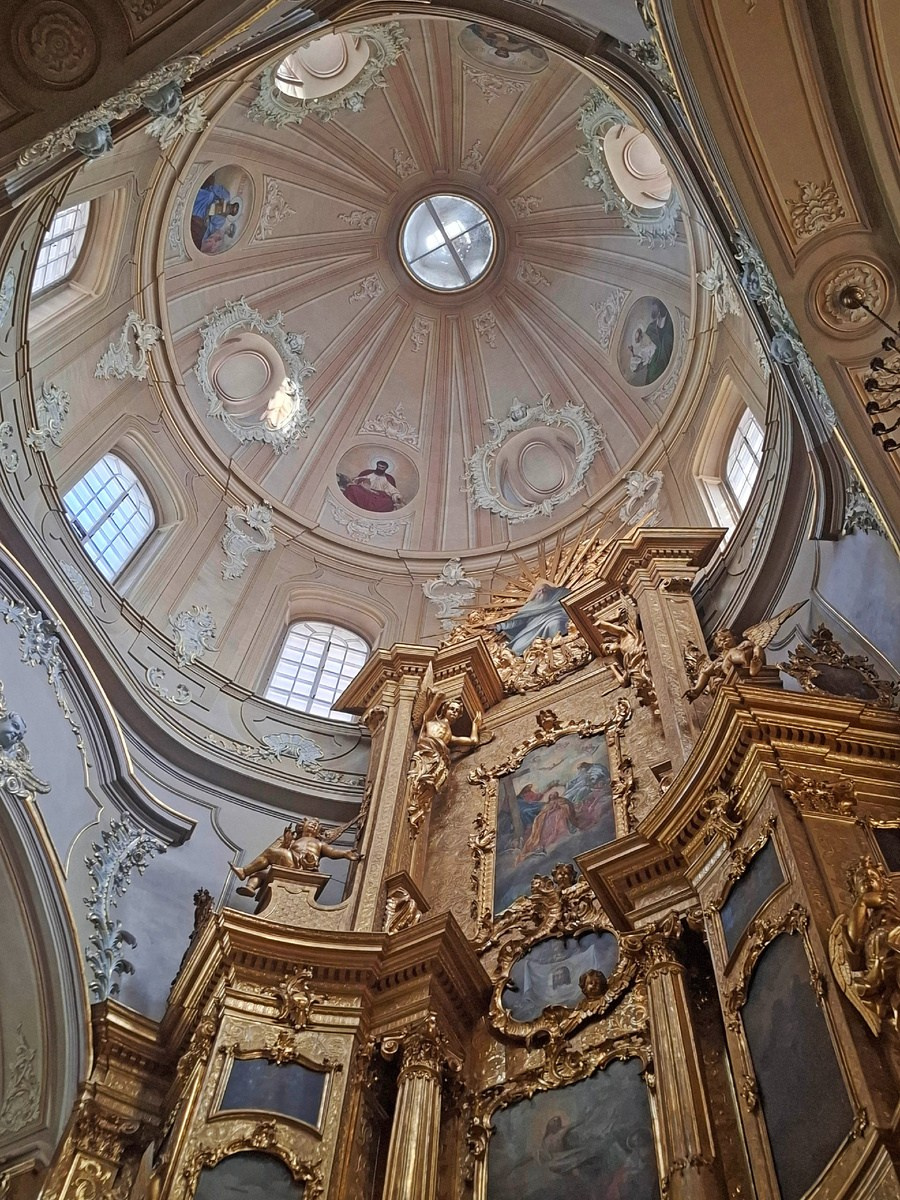
- Features: The church has five domes, making it a unique five-domed Baroque church in Moscow.
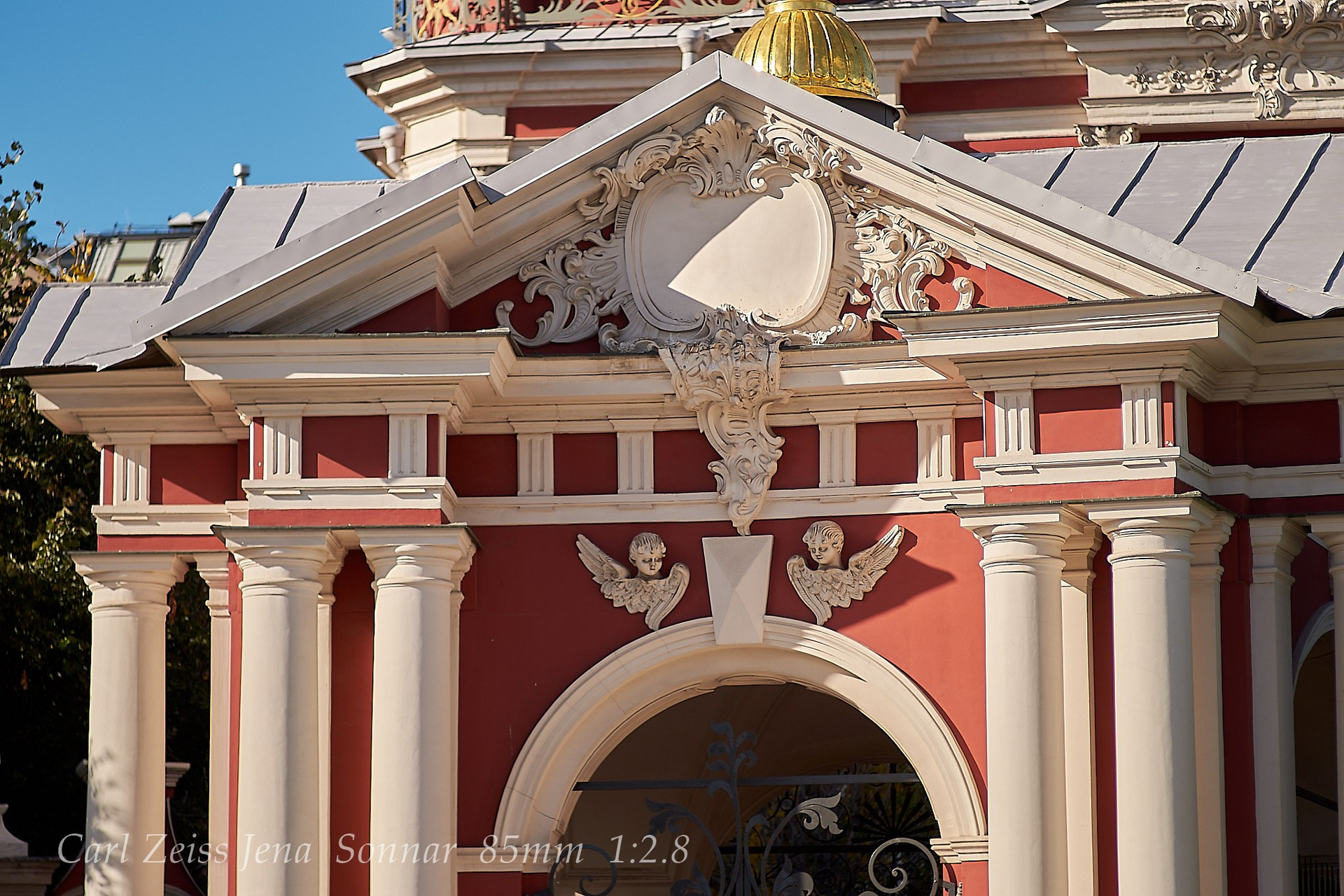
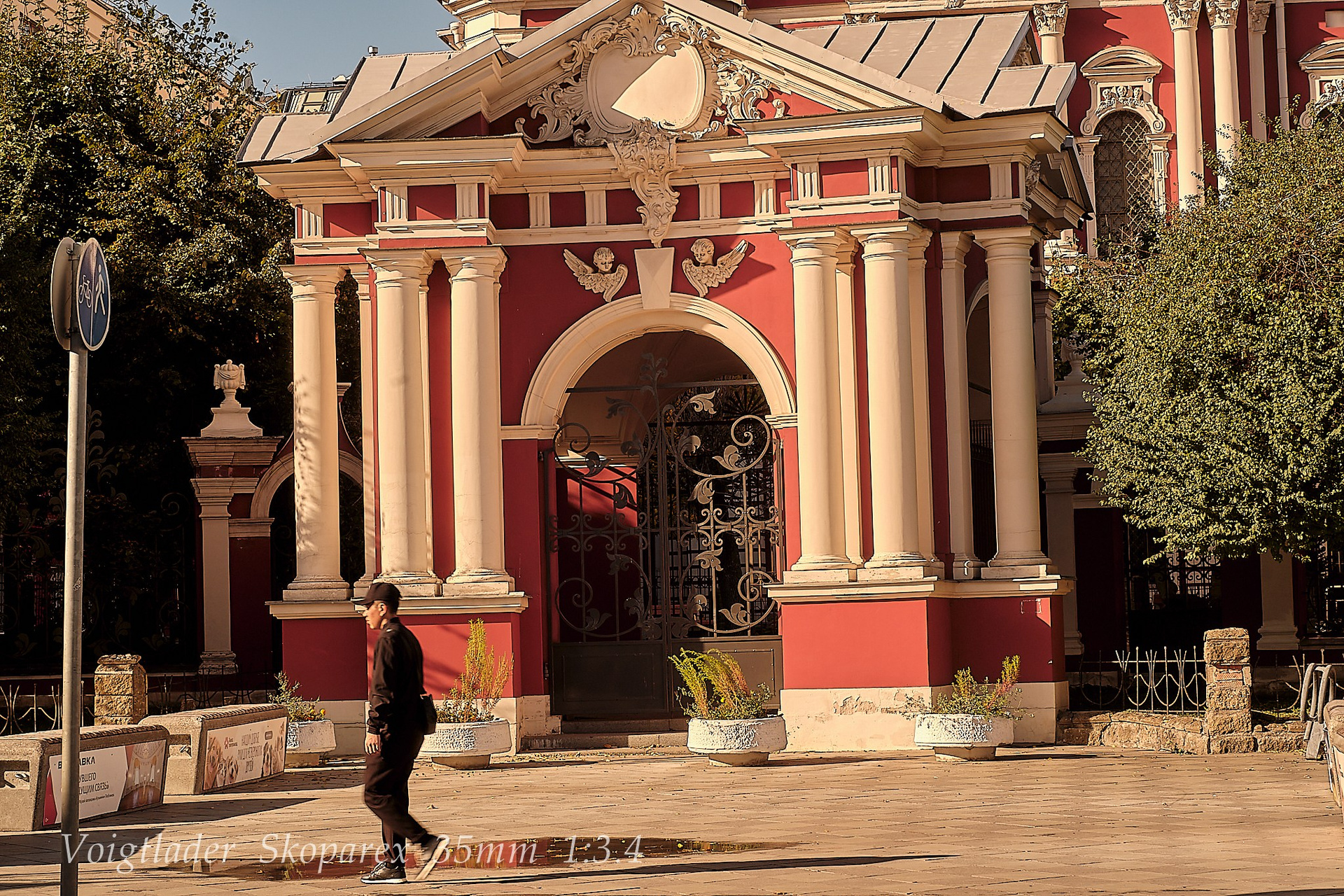
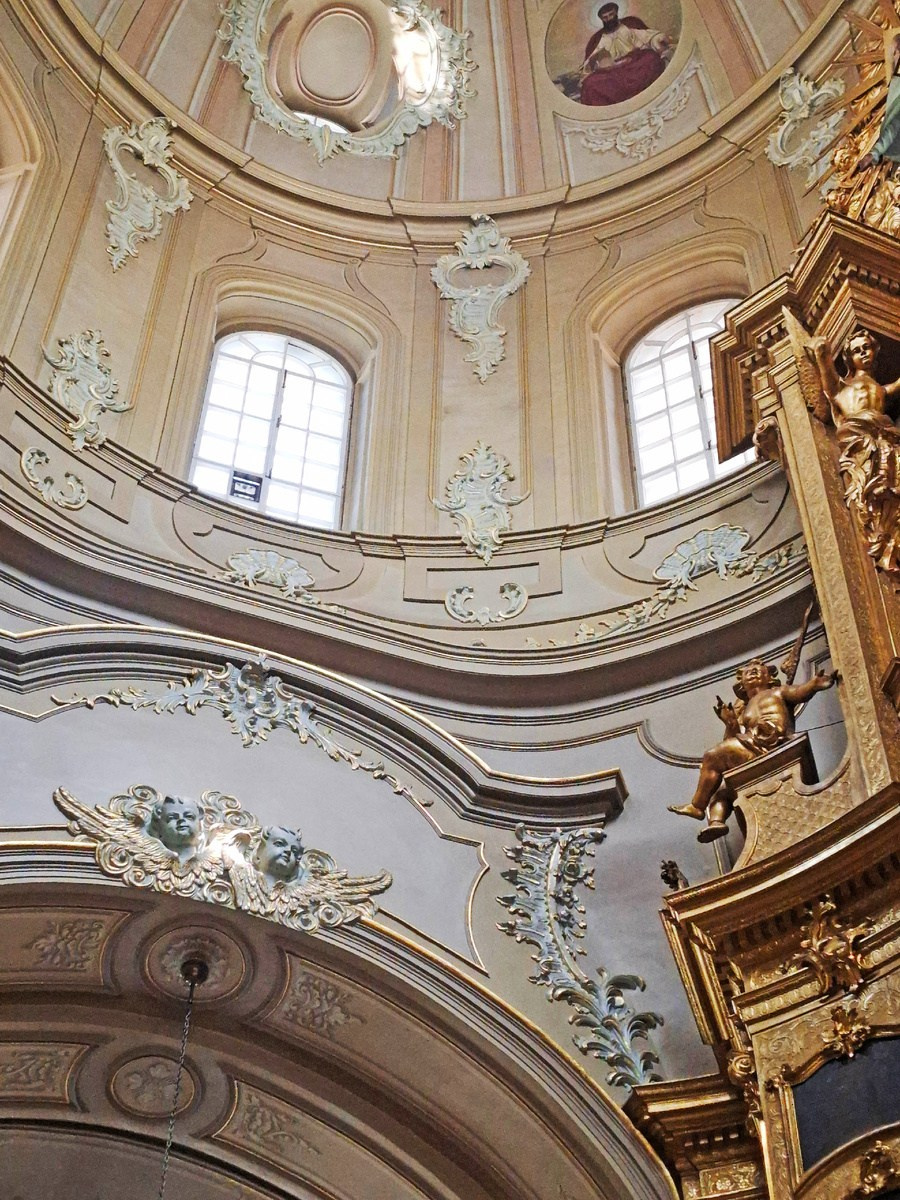
- Decorative elements: White-stone and brick ornamentation, elaborately shaped window surrounds, and horizontal octagonal windows with distinctive detailing.
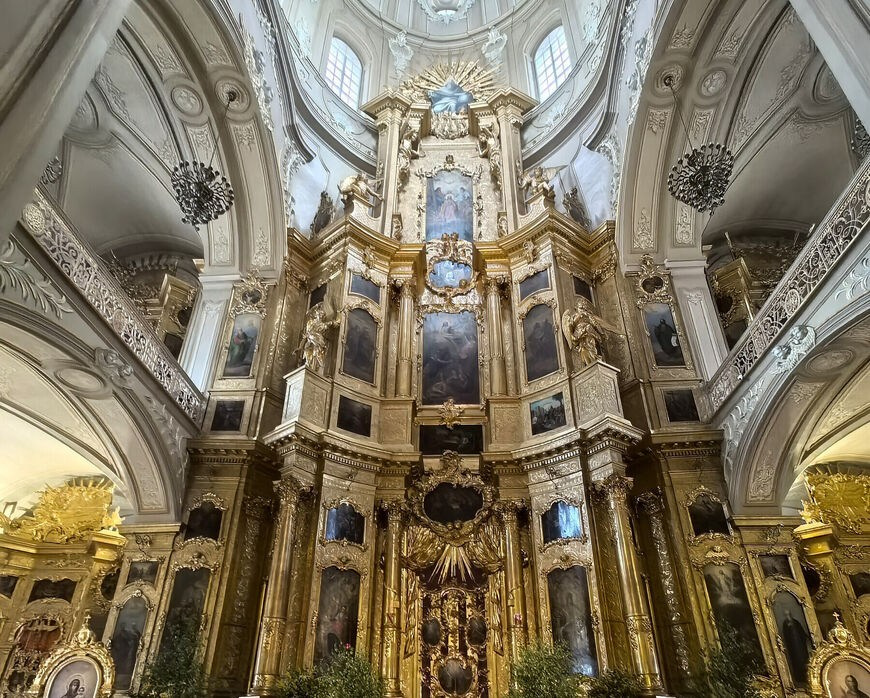
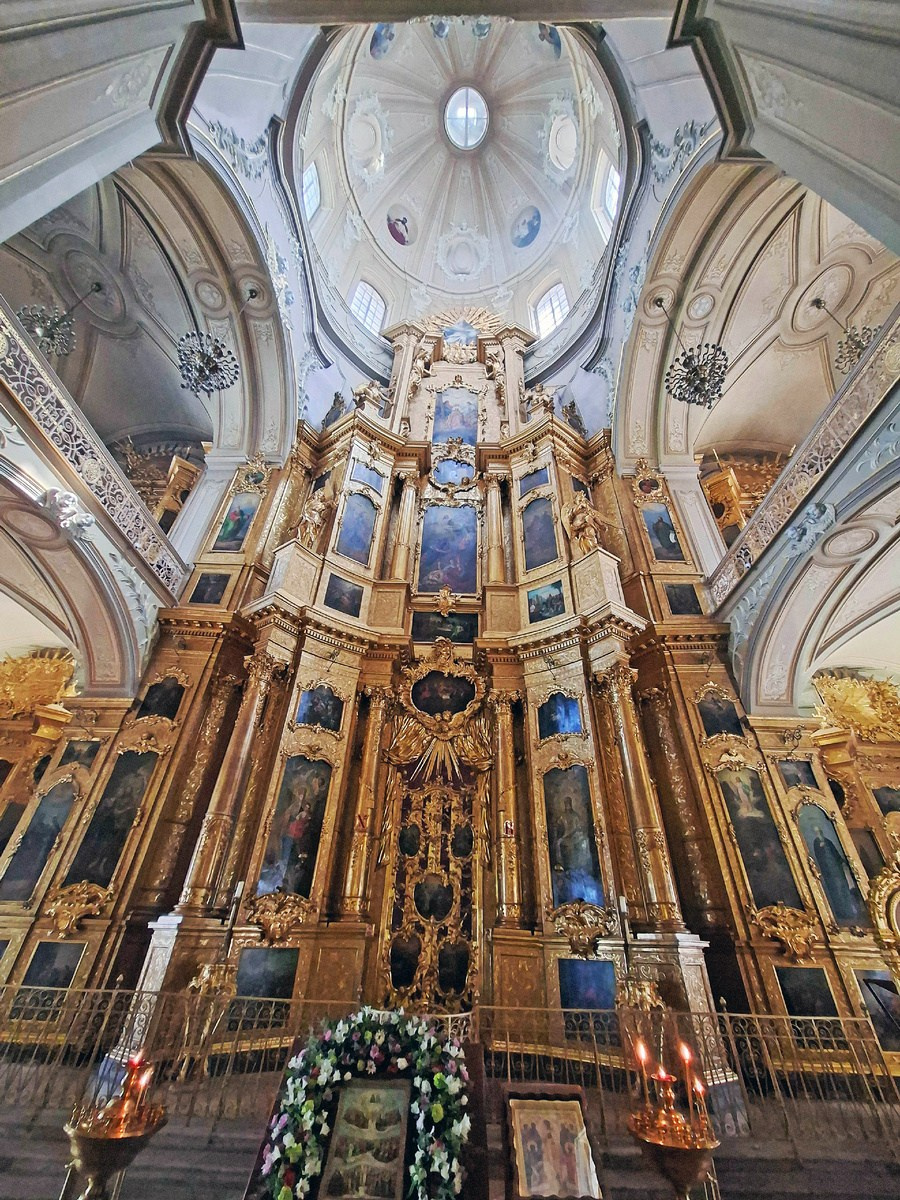
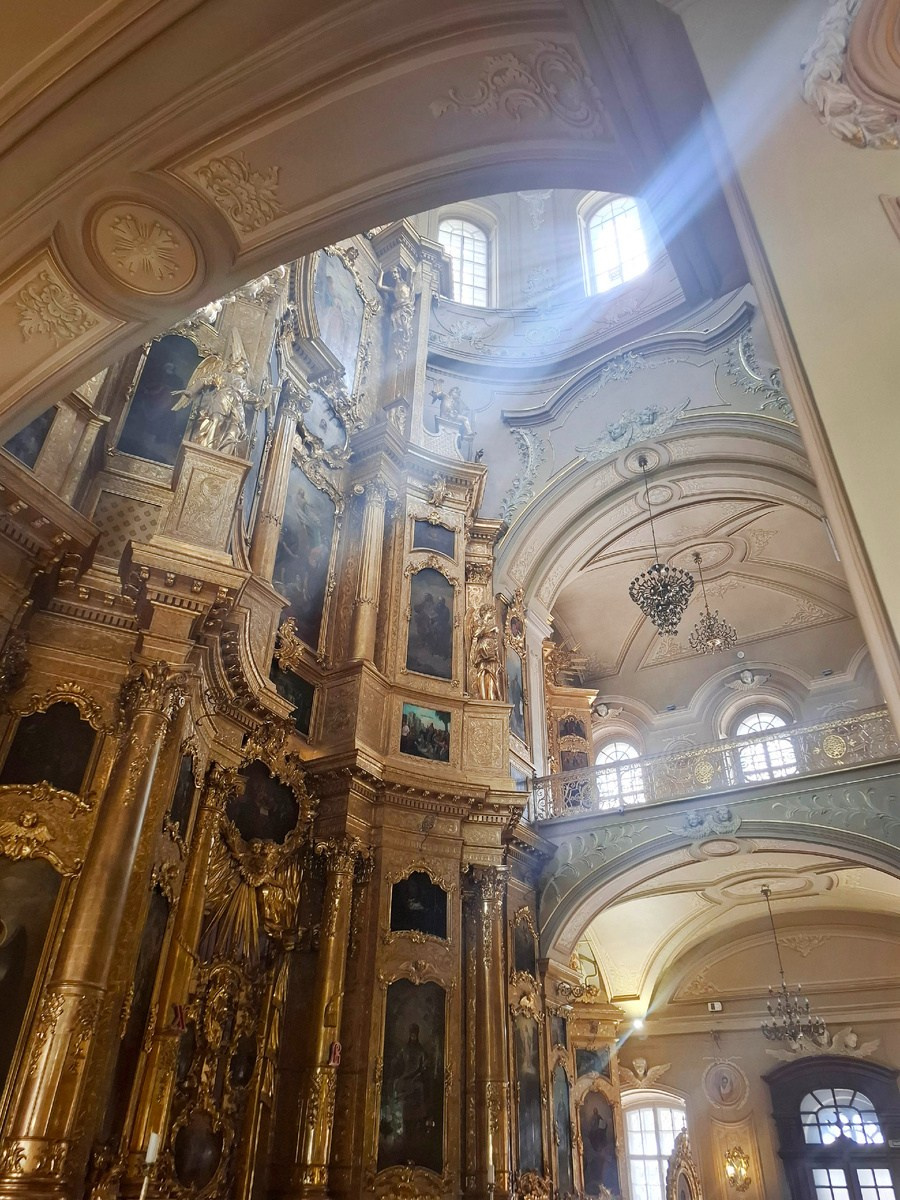
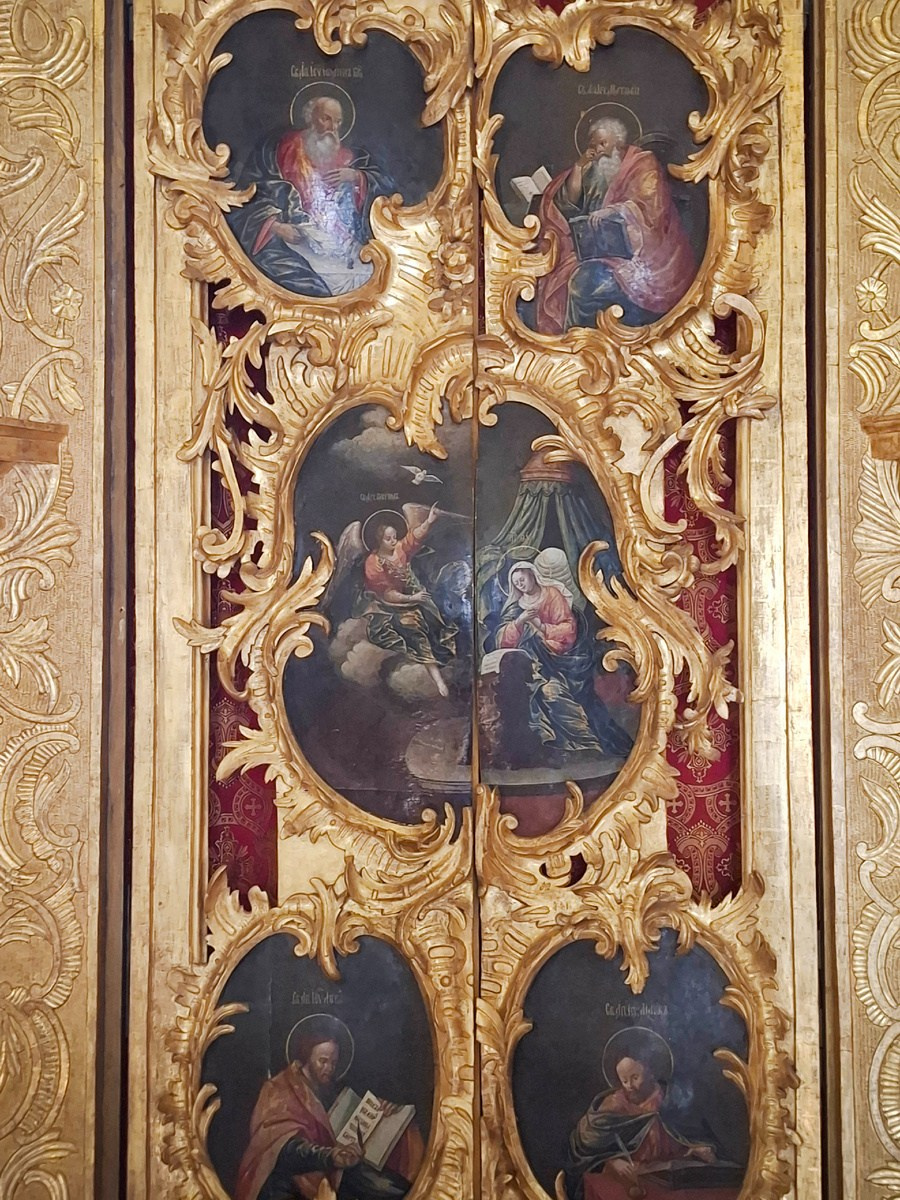
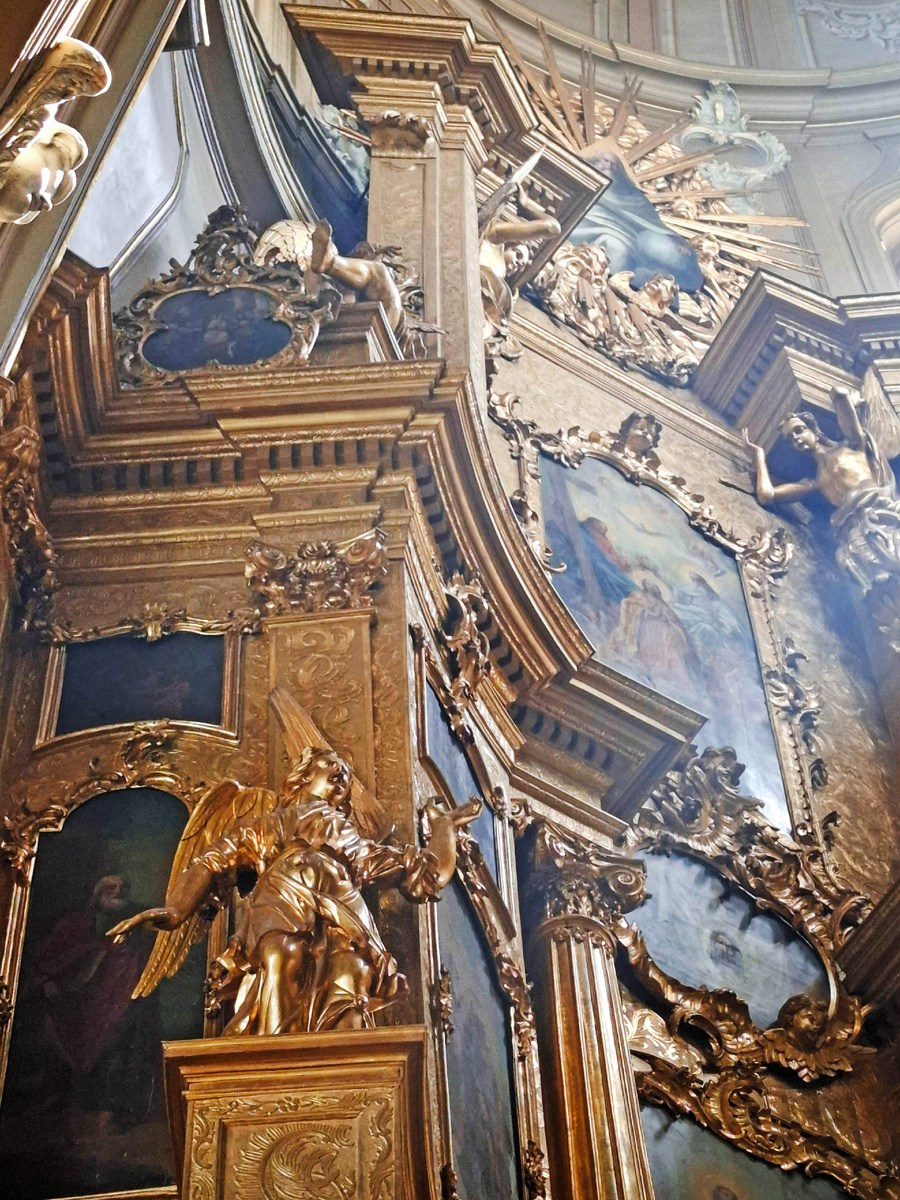
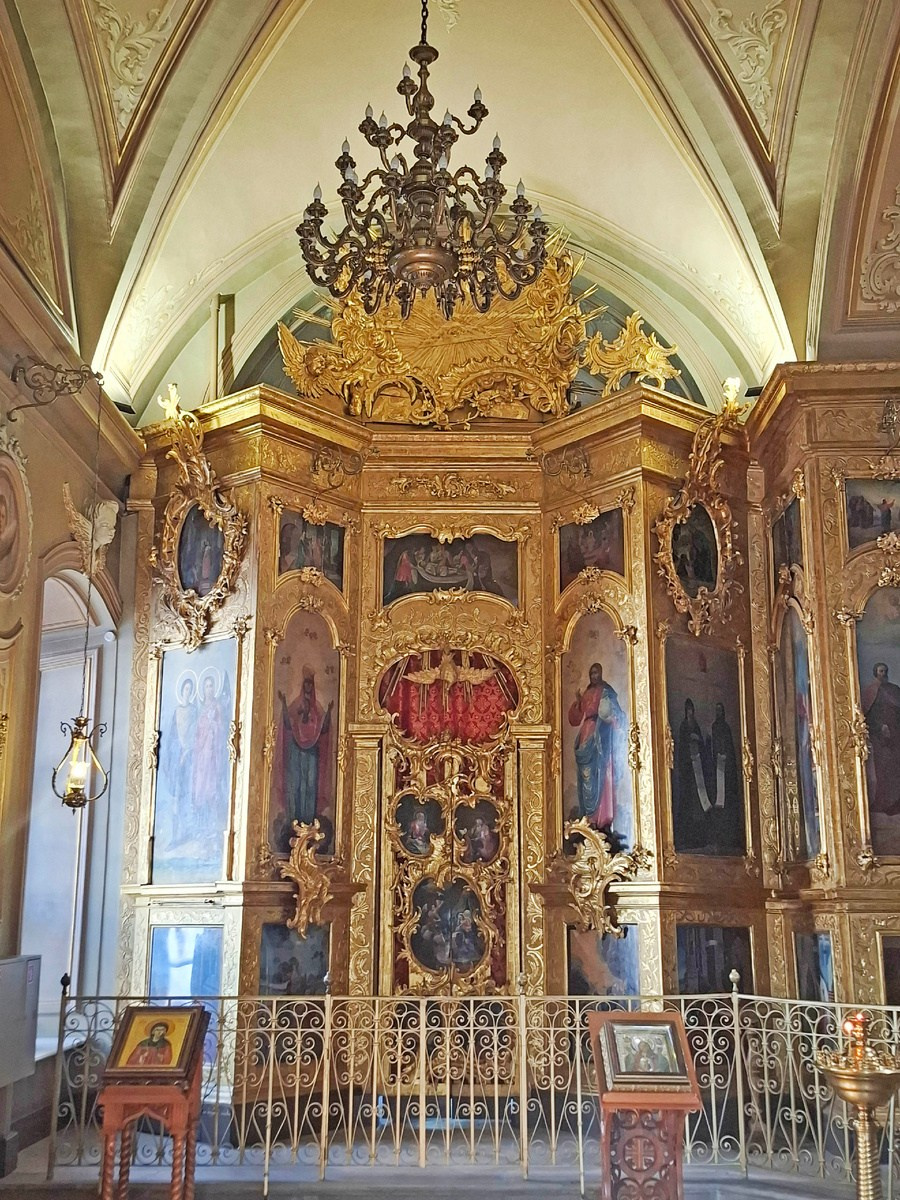
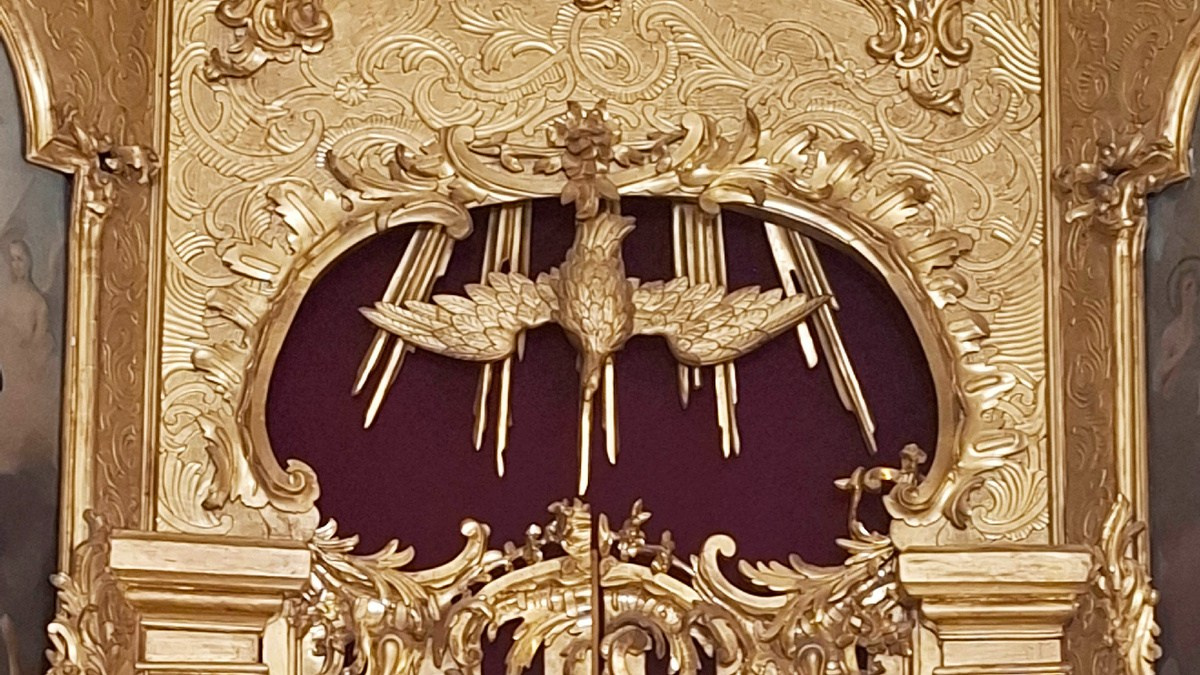
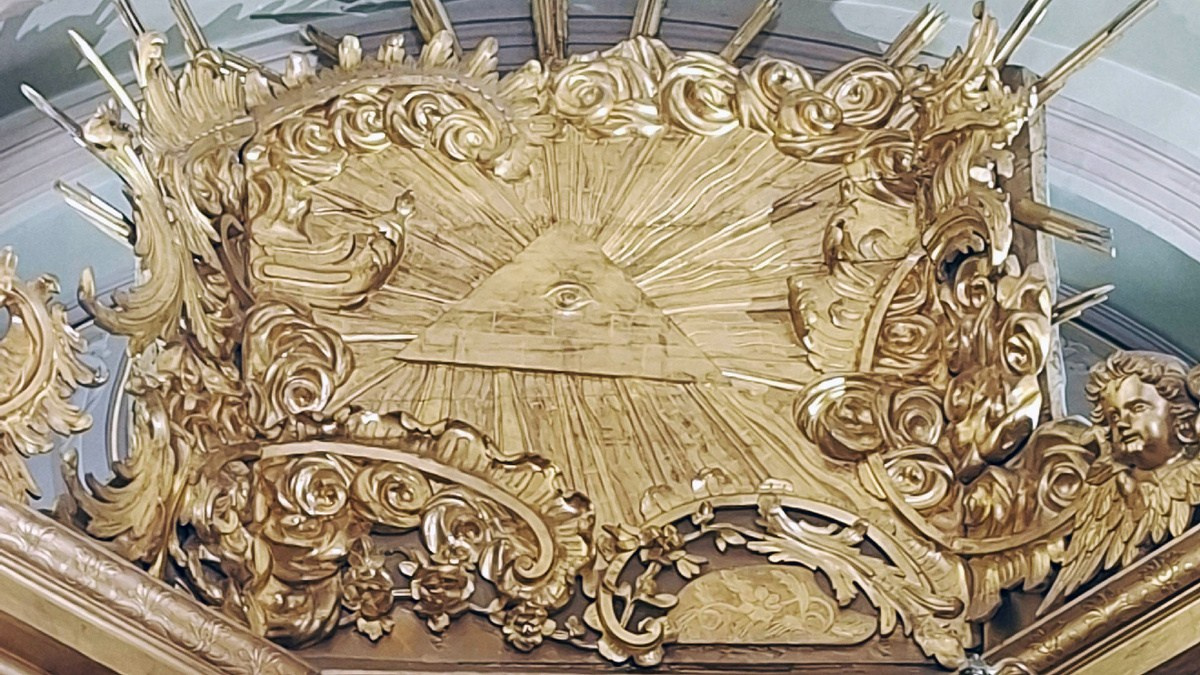
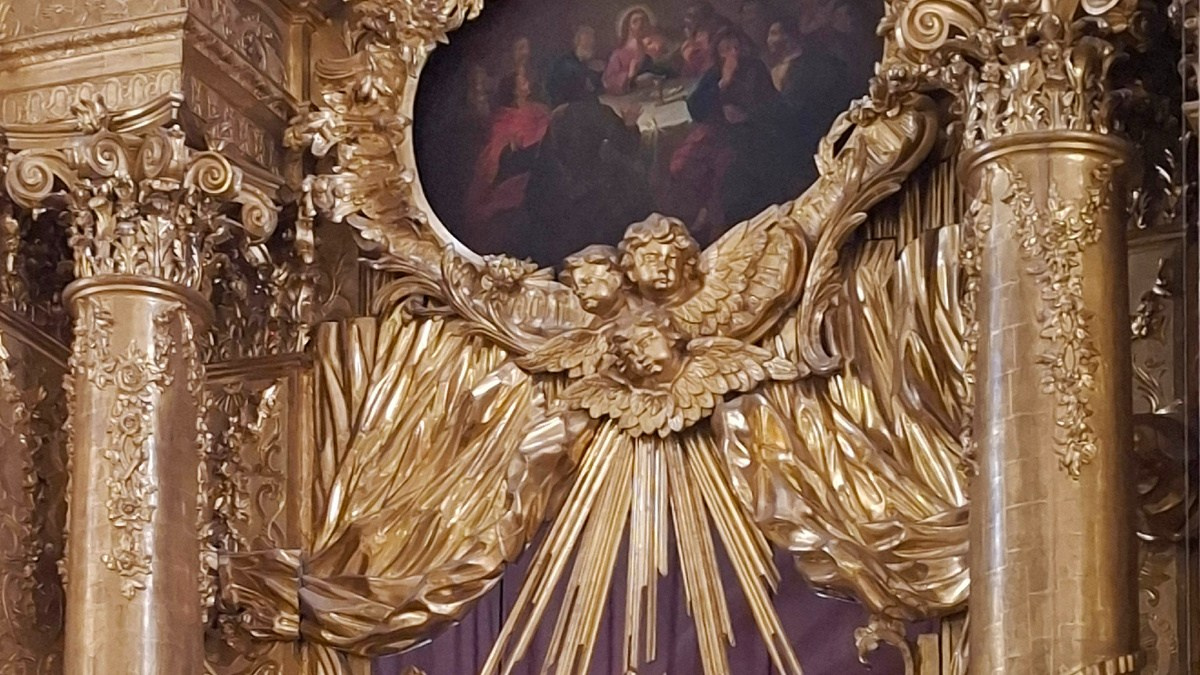
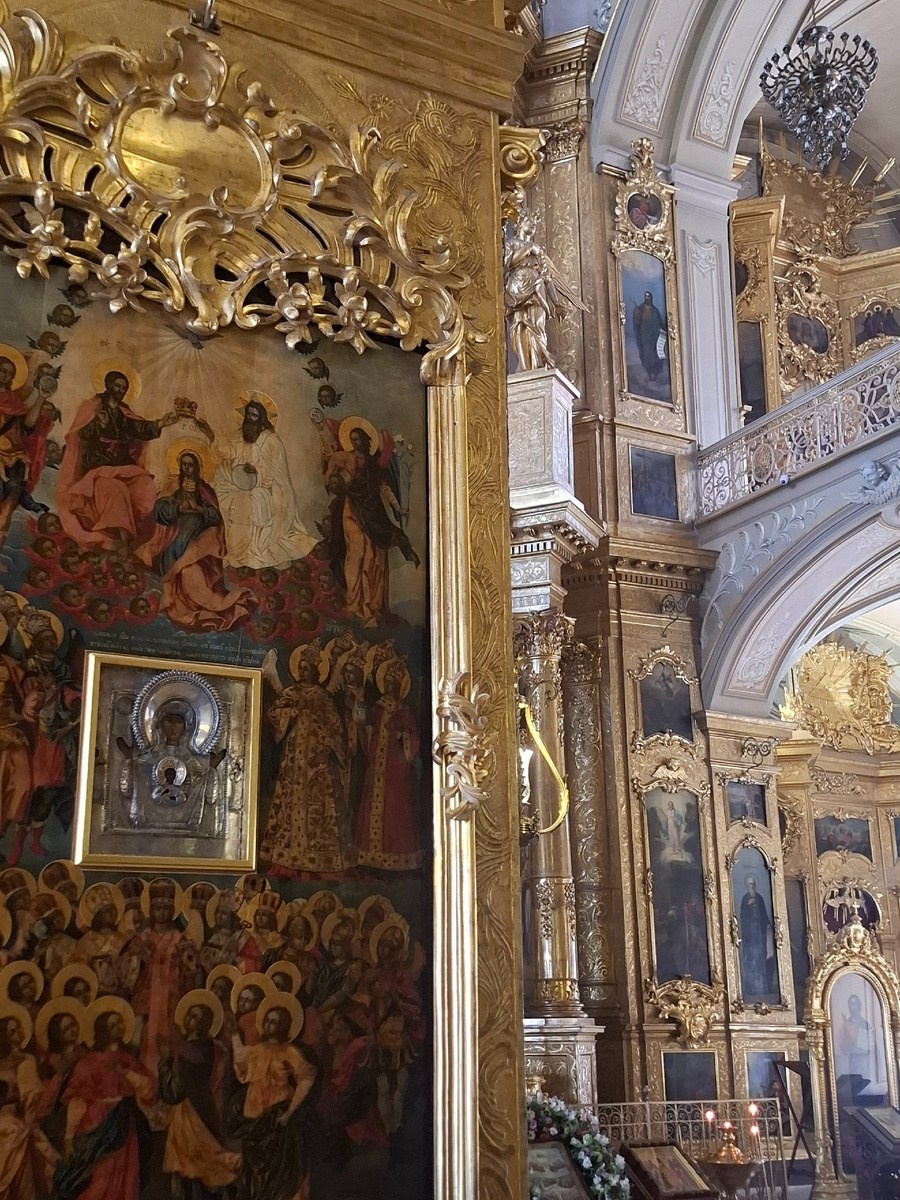
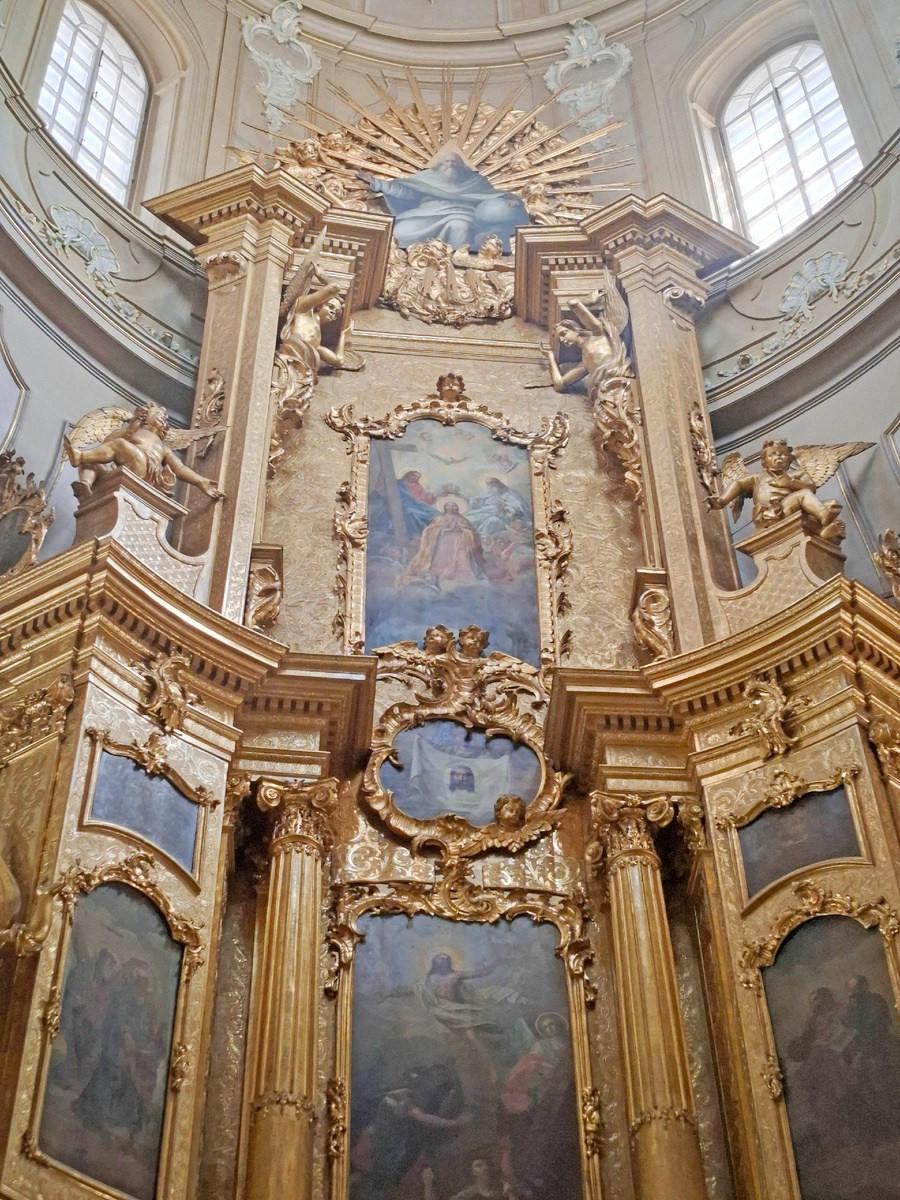
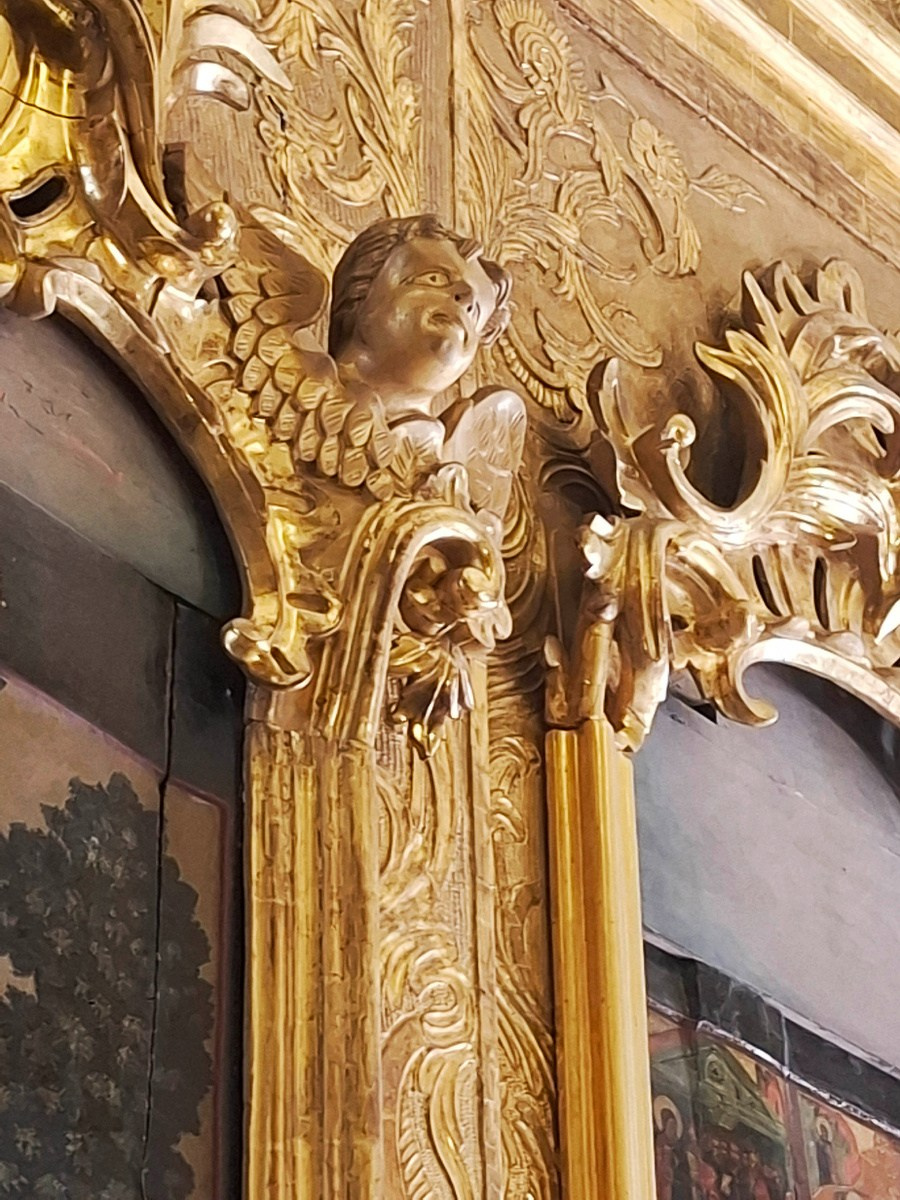
- Interiors: Five magnificent gilded iconostases.
Historical significance:
The Church of Clement, Pope of Rome, is a significant cultural heritage site of federal importance. Distinguished by the austerity and grandeur of its style, it blends harmoniously into the cityscape of the Zamoskvorechye district.
The church was closed in 1934 and used as a book repository for the Lenin Library; however, the building was returned to the Orthodox community in 2008. In the 21st century, the church underwent restoration, which was completed in 2014, after which Patriarch Kirill performed the rite of great consecration.
• • • • •