NEO-RUSSIAN STYLE ARCHITECTURE (The House of Pertsova)

















THE HOUSE OF PERTSOVA
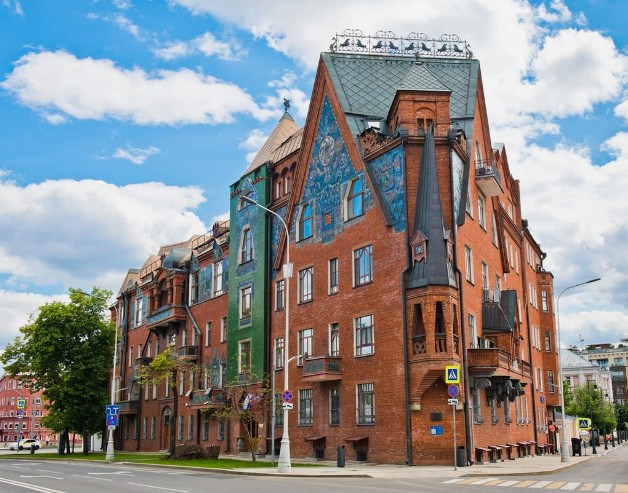
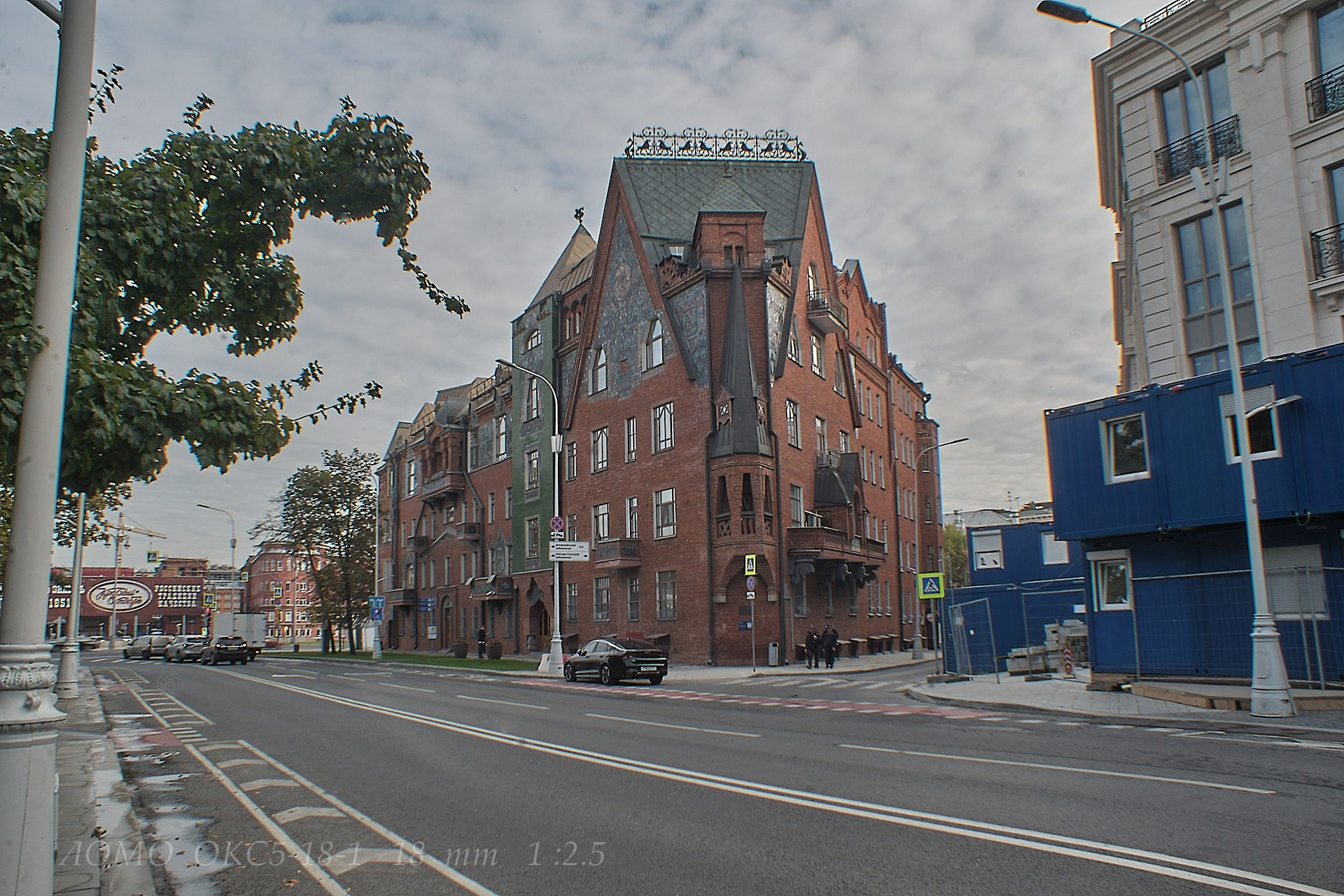
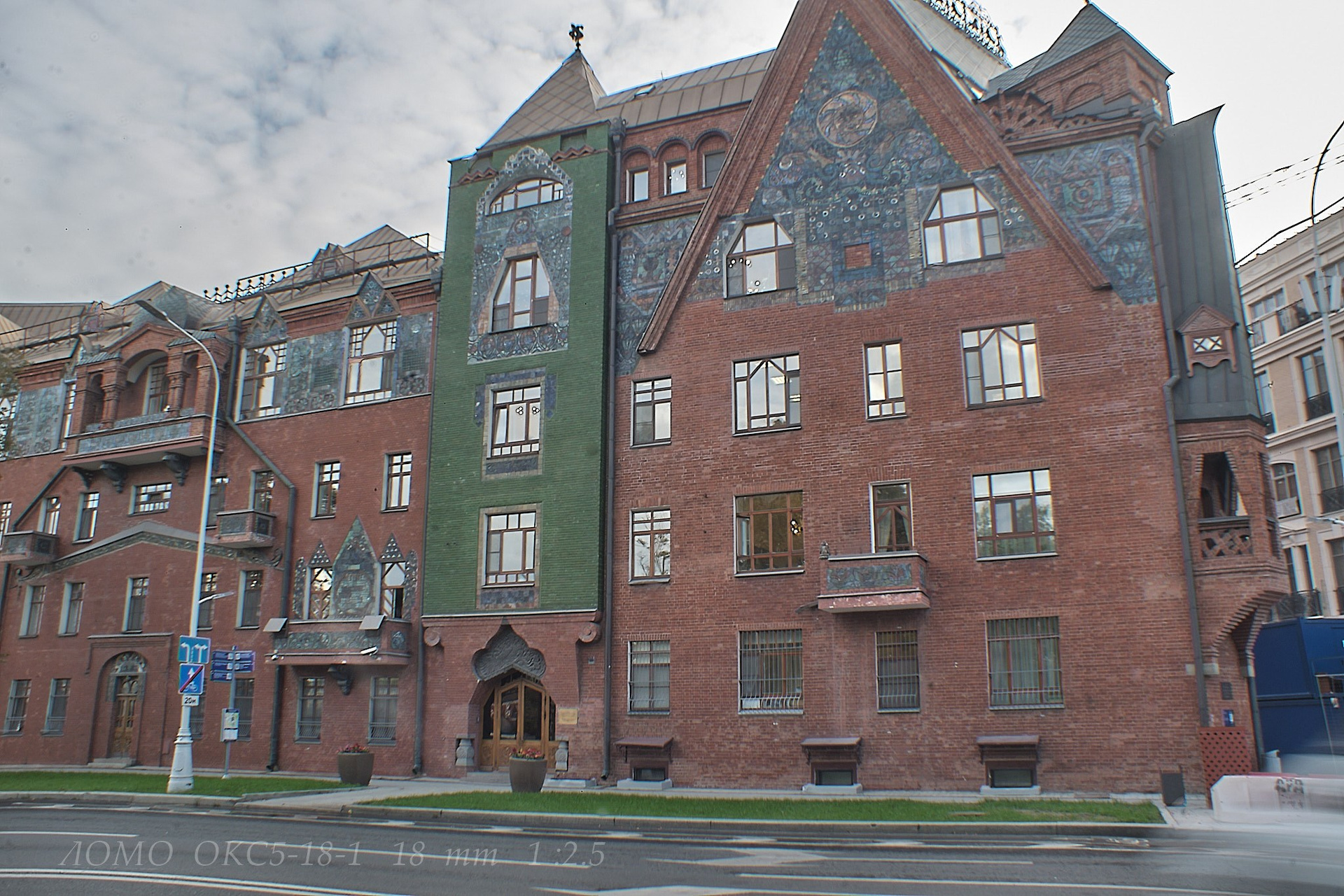
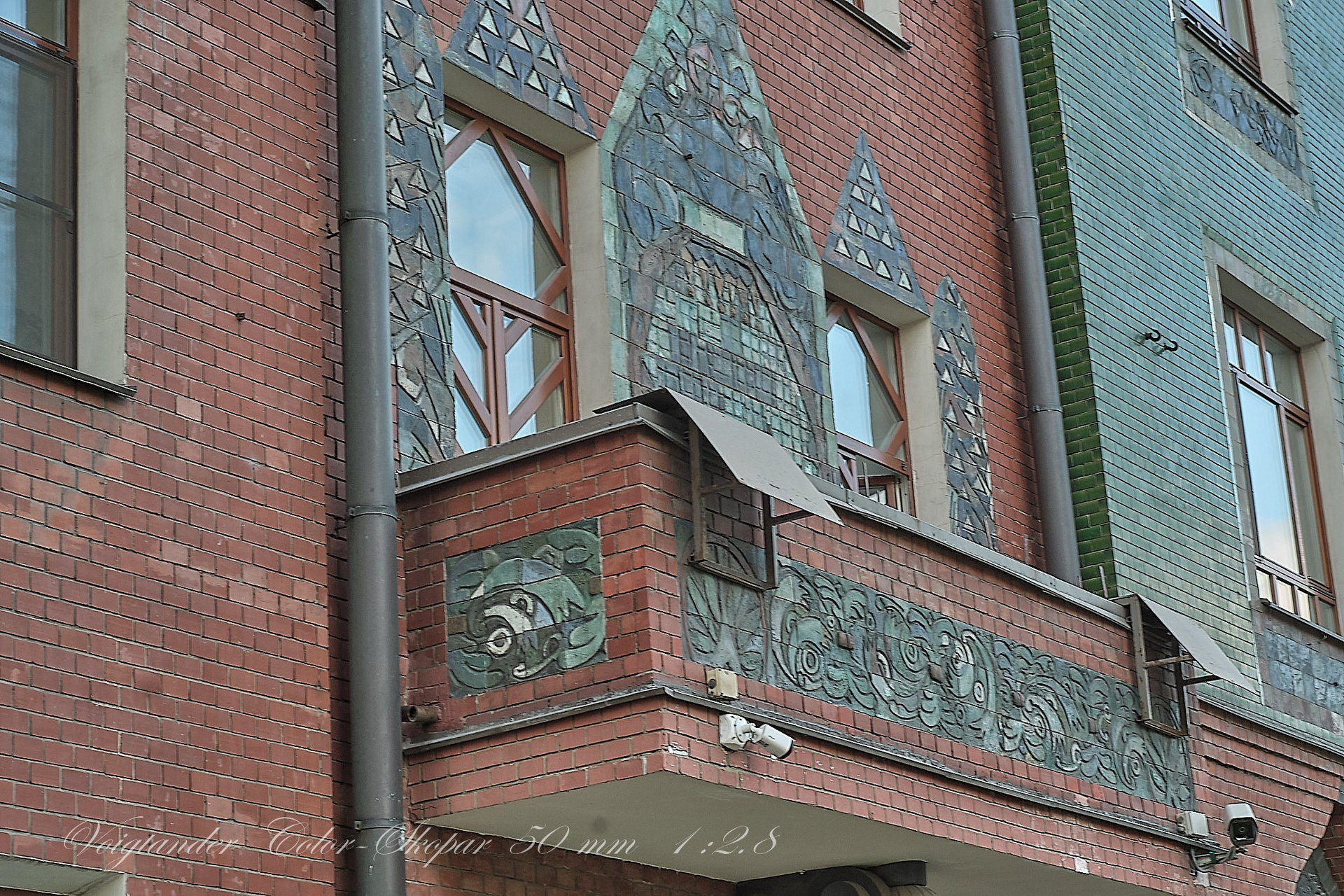
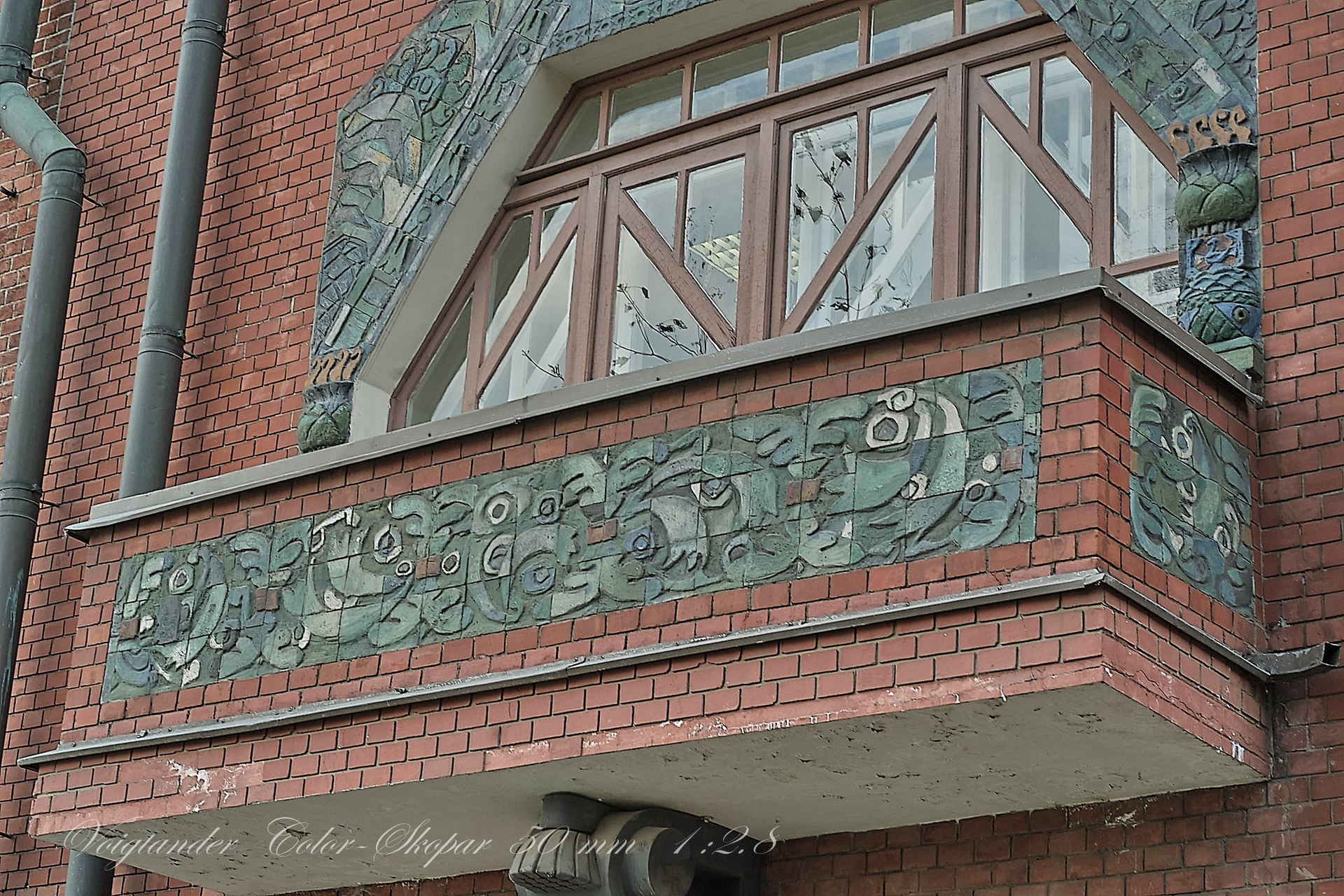
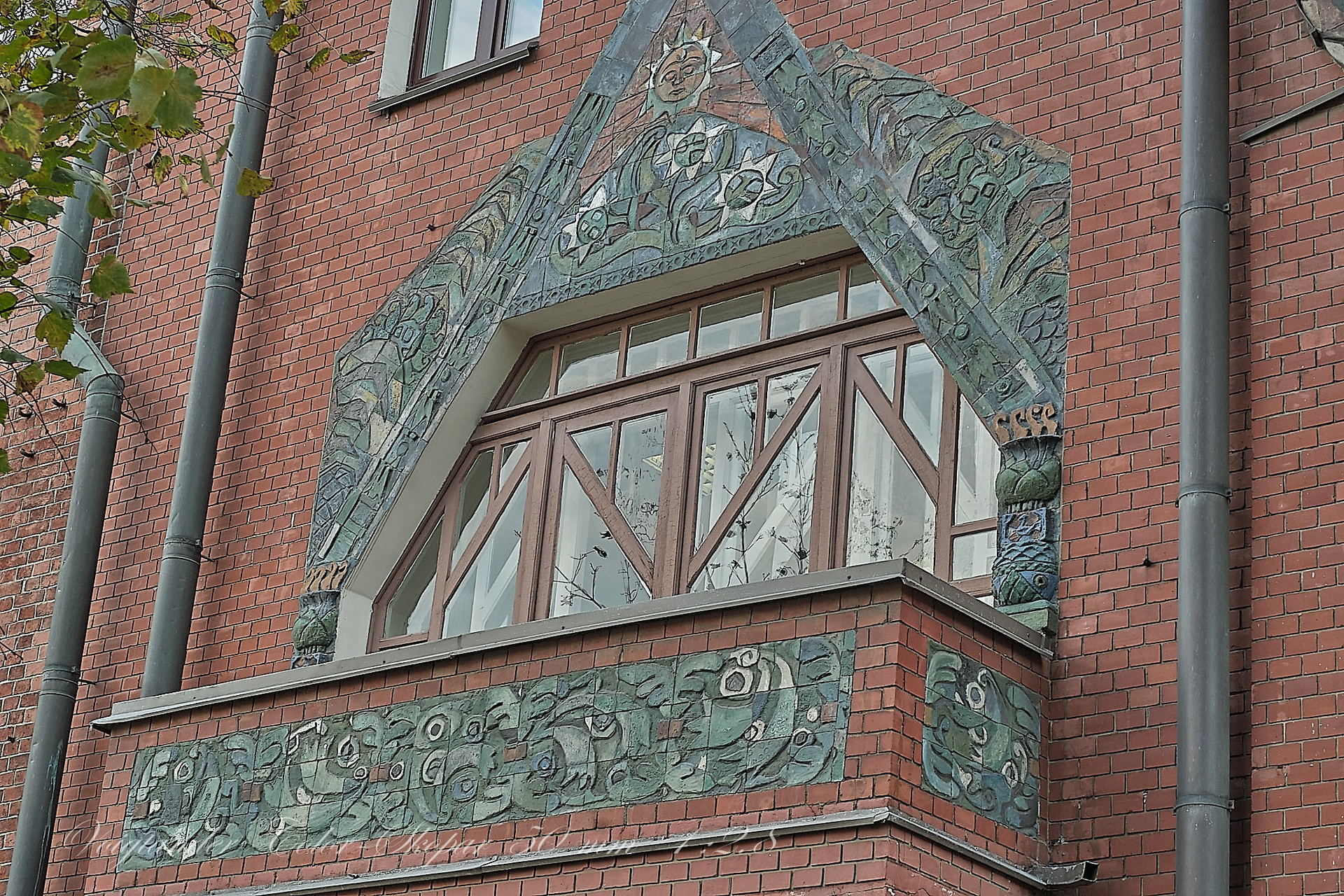
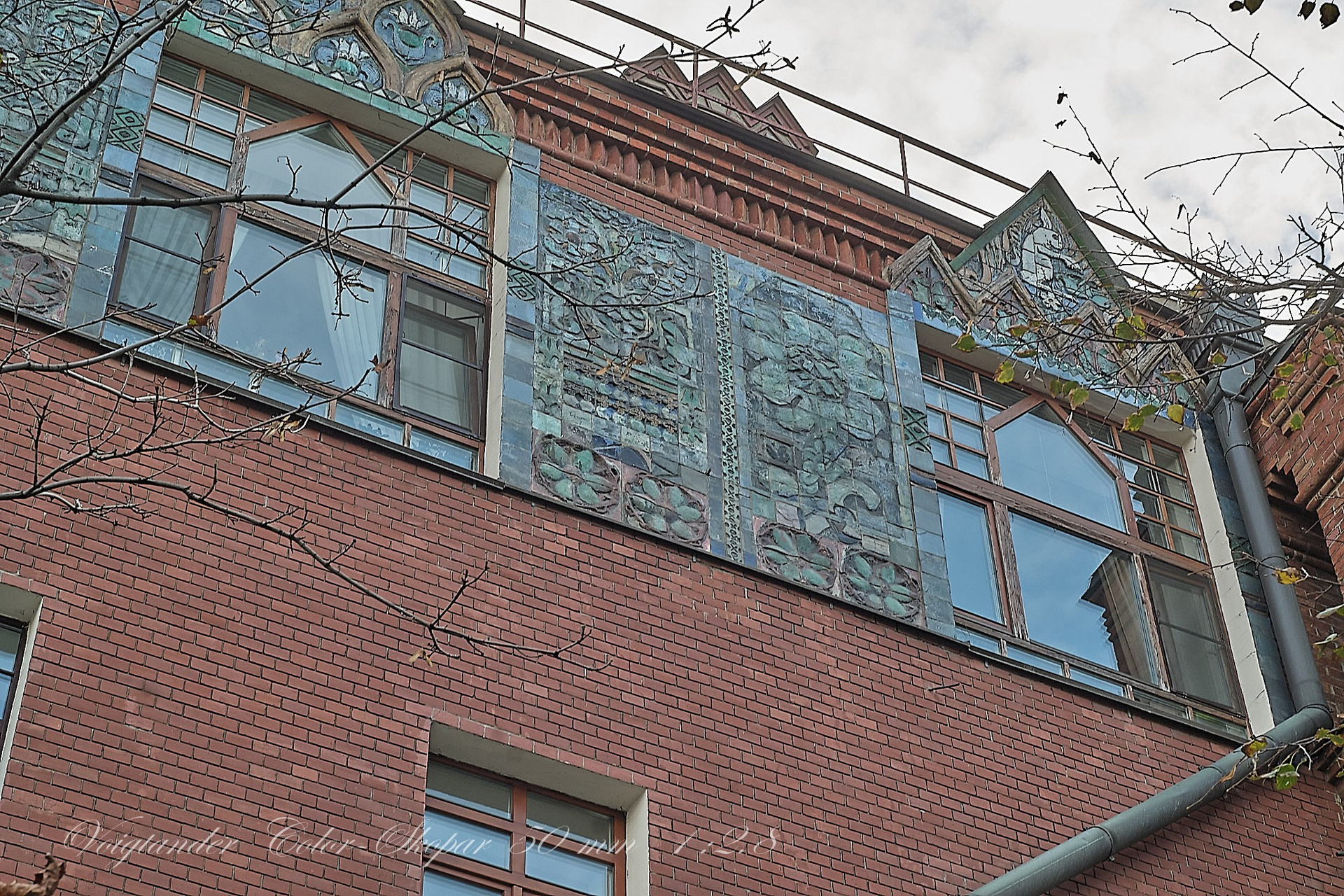
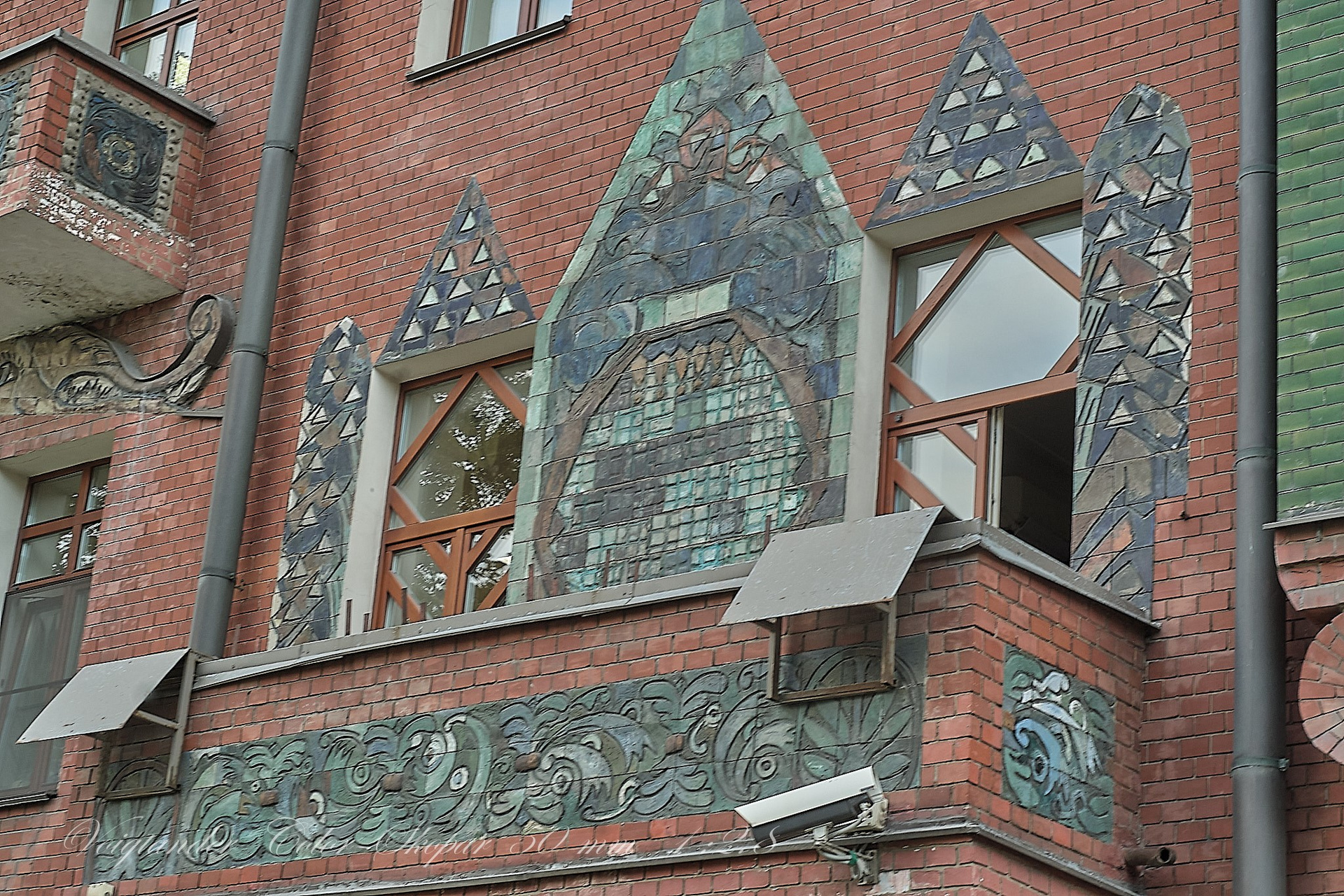
Pertsova’s house in Moscow was built in neo-Russian style with modern elements. This is one of the brightest architectural monuments of the early 20th century, combining motifs of ancient Russian architecture and fairy tale themes with innovative techniques for that time.
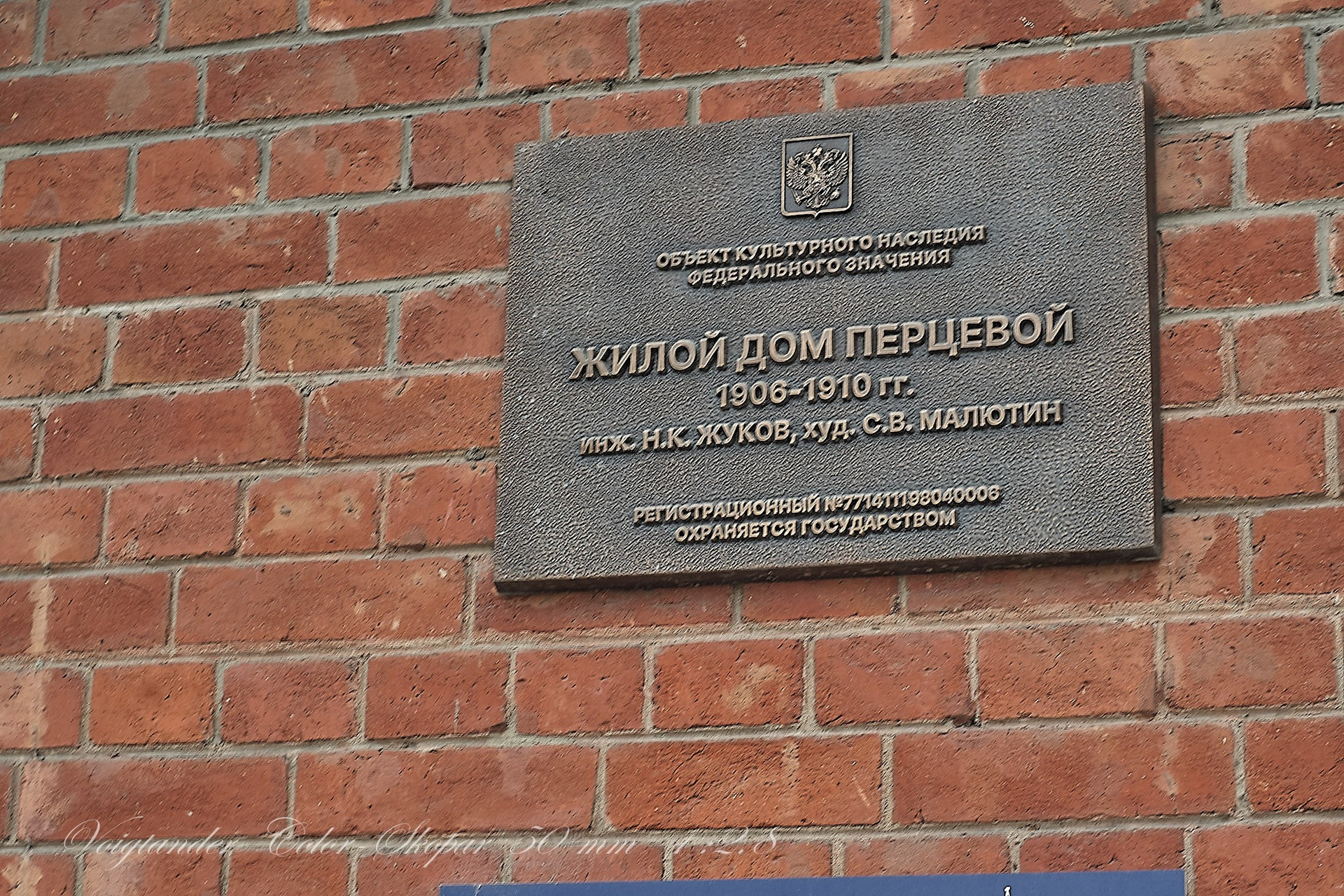
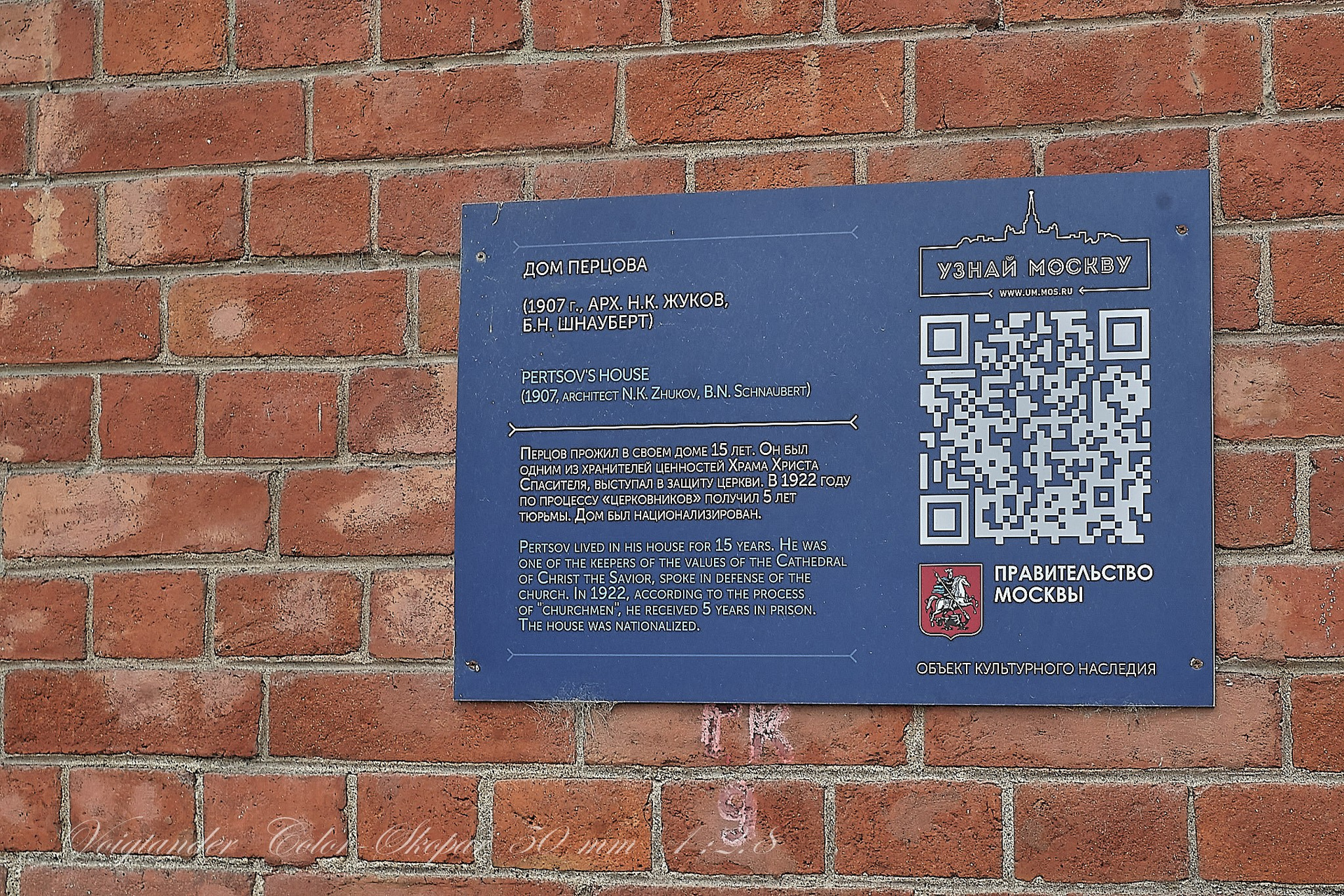
The author of the project is artist Sergei Malyutin, creator of the first Russian nesting doll. He developed sketches of the facades, decorative elements and interiors of the owner’s part of the house. The architectural part was implemented by Nikolay Zhukov (drawings) and Boris Schnaubert (construction management).
Key features of the neo-Russian style with the influence of Art Nouveau:
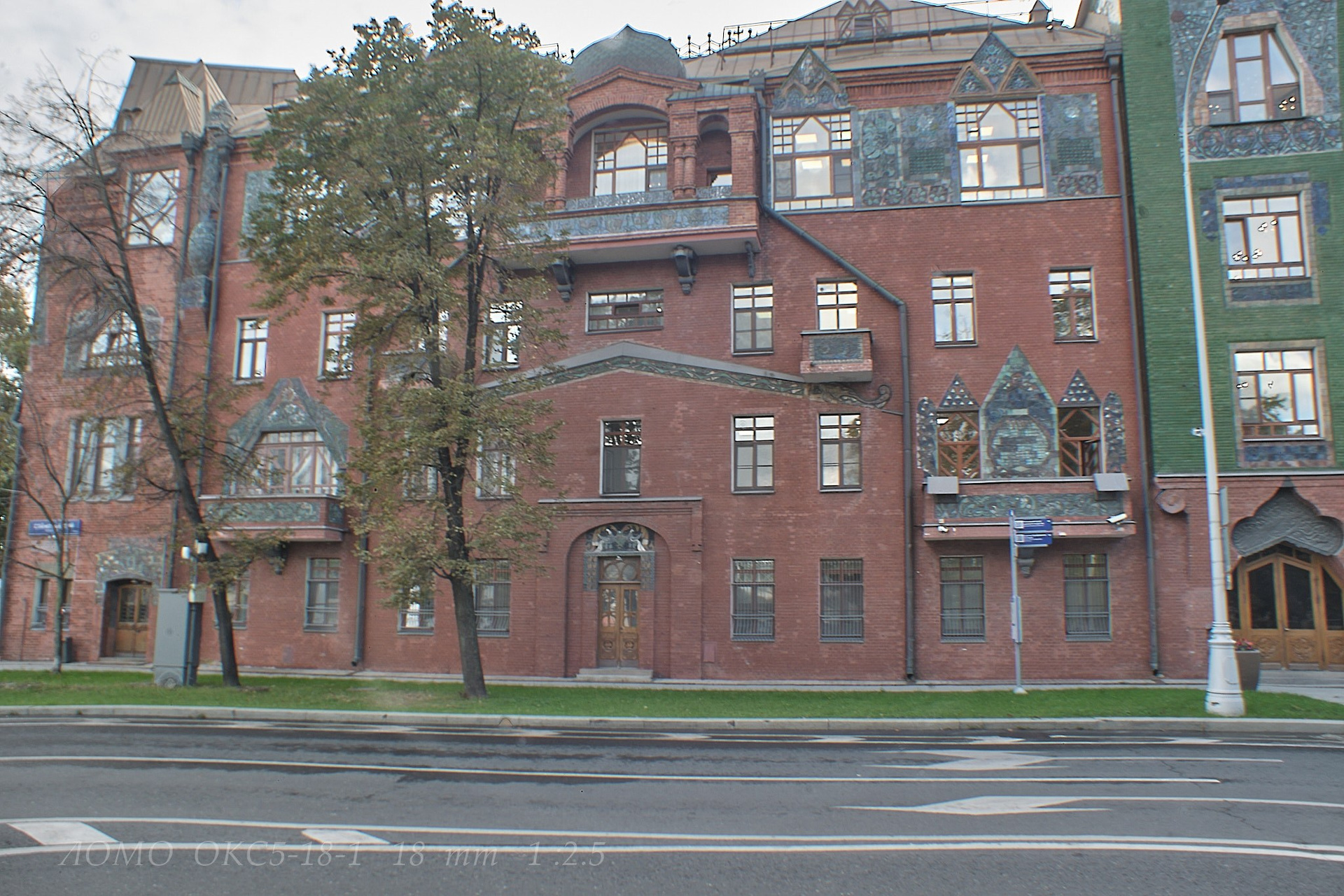
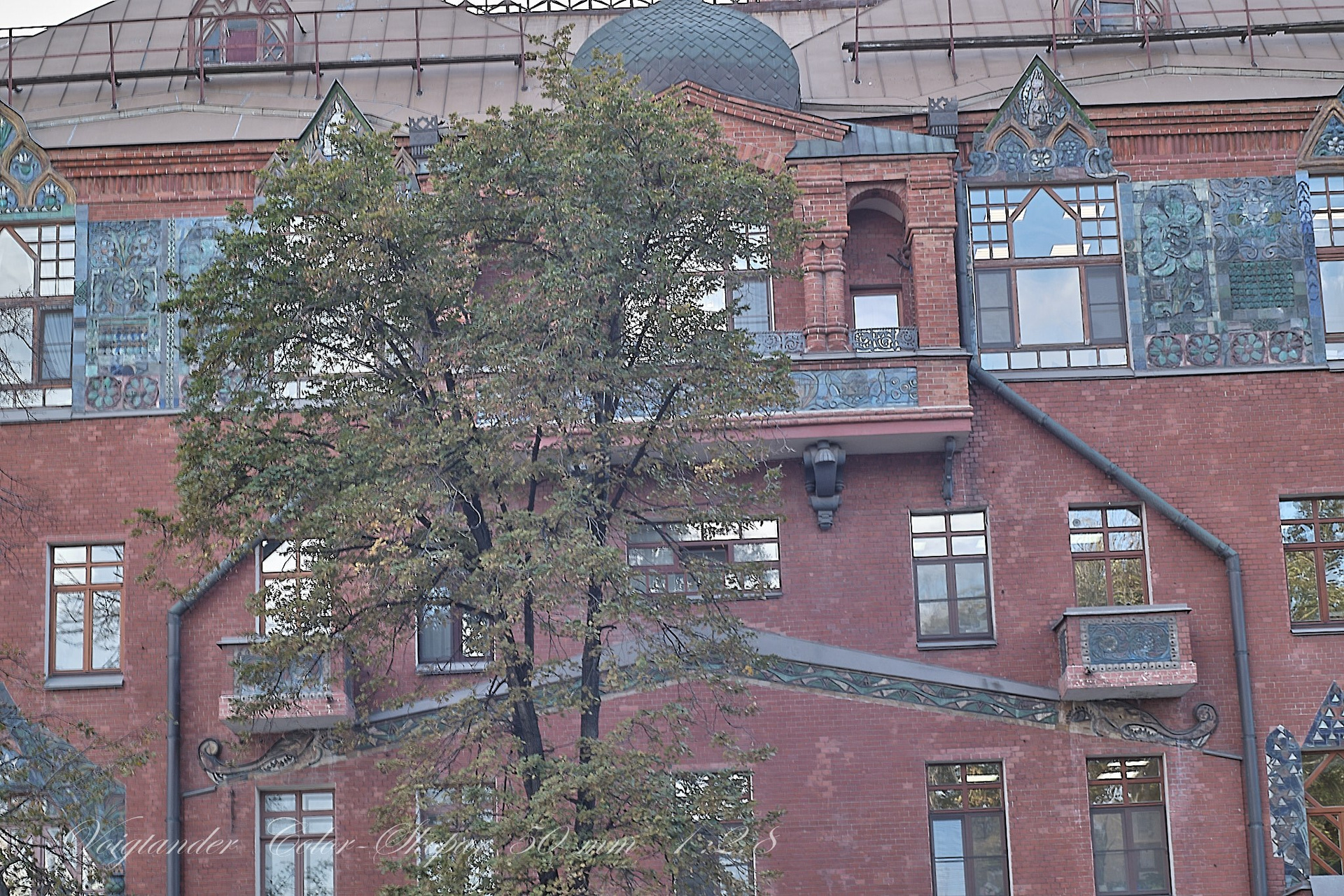
Asymmetry and variety of volumes. Various shapes of balconies, windows, tower-like roof projections create the impression of a fairy-tale tower.
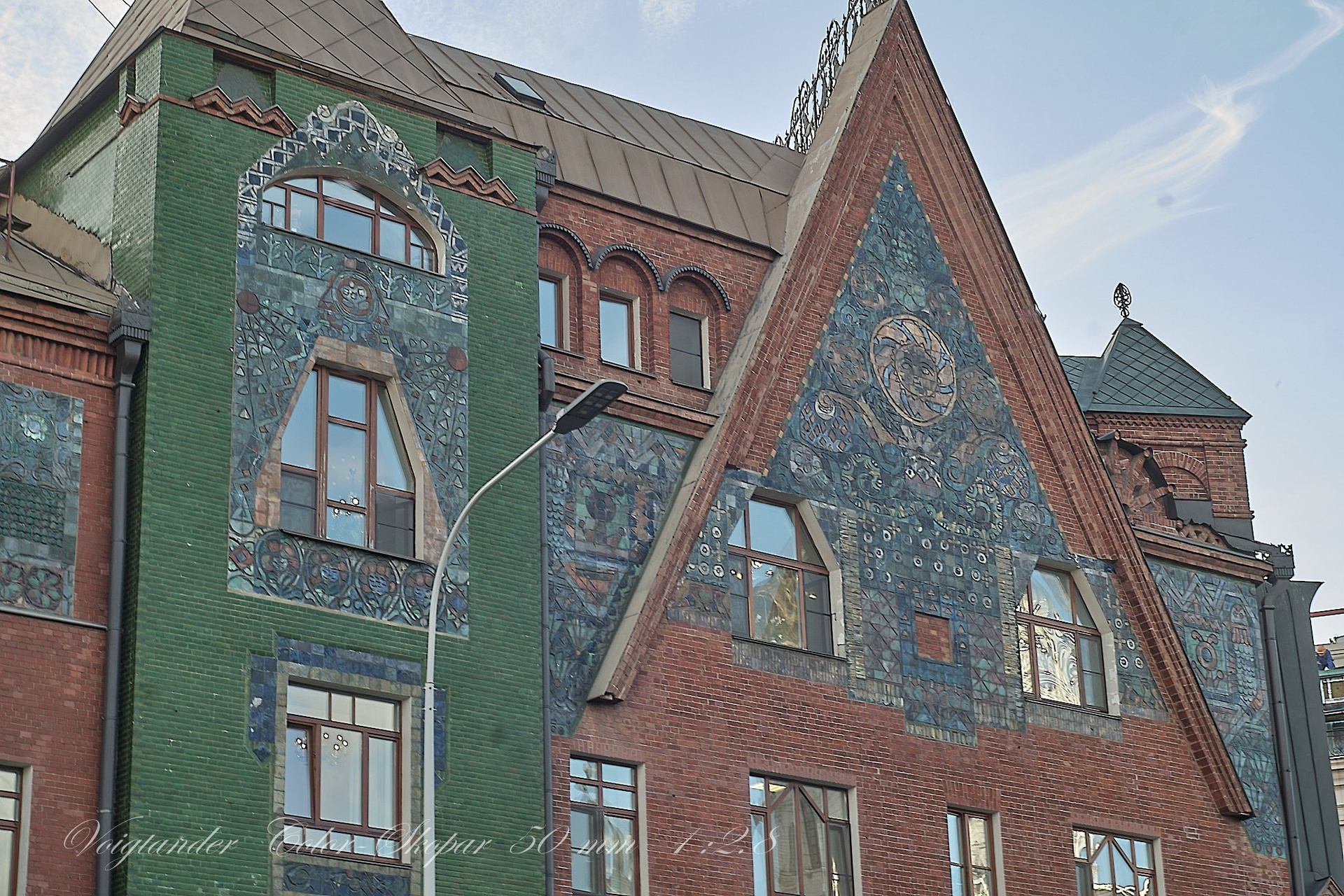
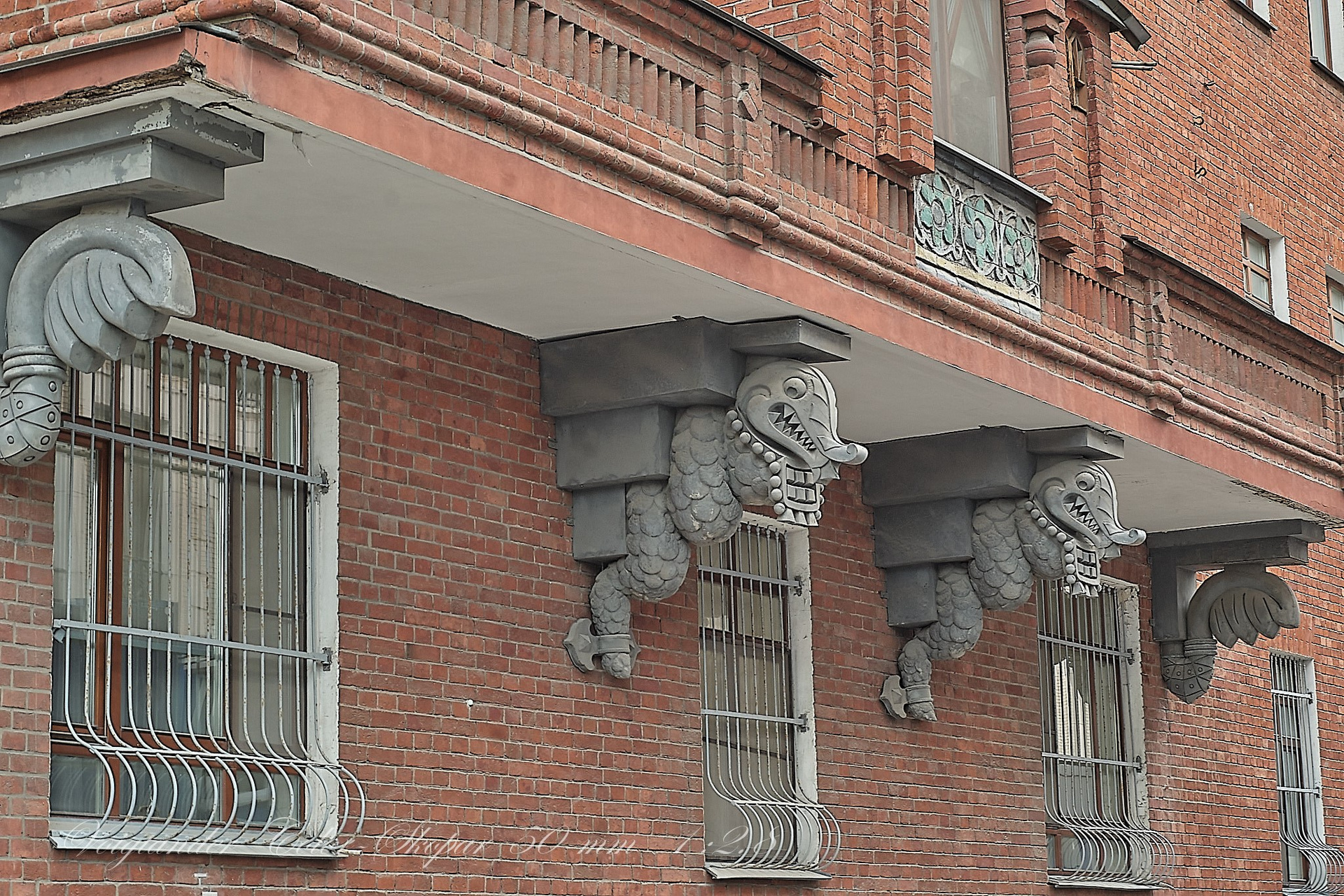
Rich decorative decoration. The facades are decorated with majolica panels with images of fairy-tale and mythological characters: the birds Sirin and Gamayun (symbols of heavenly joy and prophetic birds of fate), dragons, lions, bears, fish, owls. At the end of the building there is a bright sun, illuminating fancy flowers and plants.
Symbolism and folklore motifs. The decor reflects themes from Slavic mythology and the theme of a magical garden.
The use of red brick as an expressive constructive and decorative material.
Some art historians also note features of Scandinavian Art Nouveau in the decoration — ornate interweaving of images of dragons, bears, fish and owls.
Details and symbolism
The corner balcony at the junction of the main building and the attached building is decorated with a massive tent-spire. On the fourth floor there is a loggia “The Queen’s Gazebo” with a gilded roof. The chimney is made in the shape of a sleeping owl.
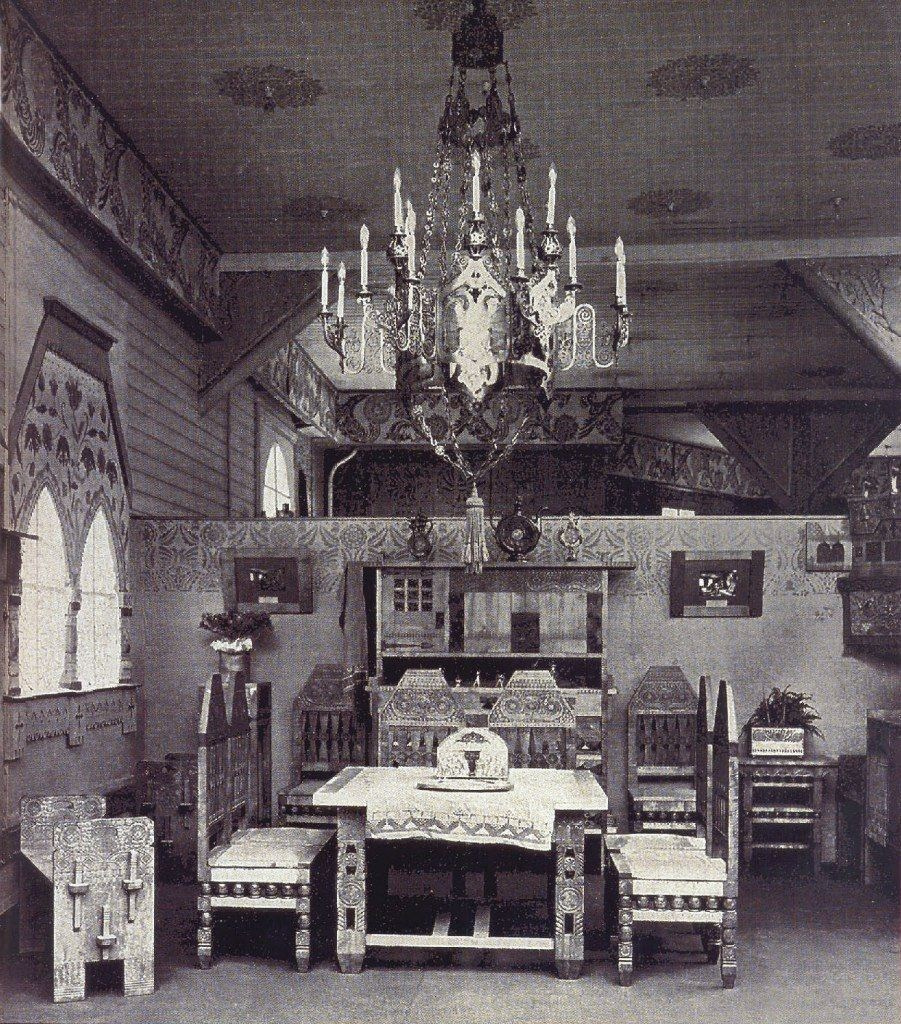
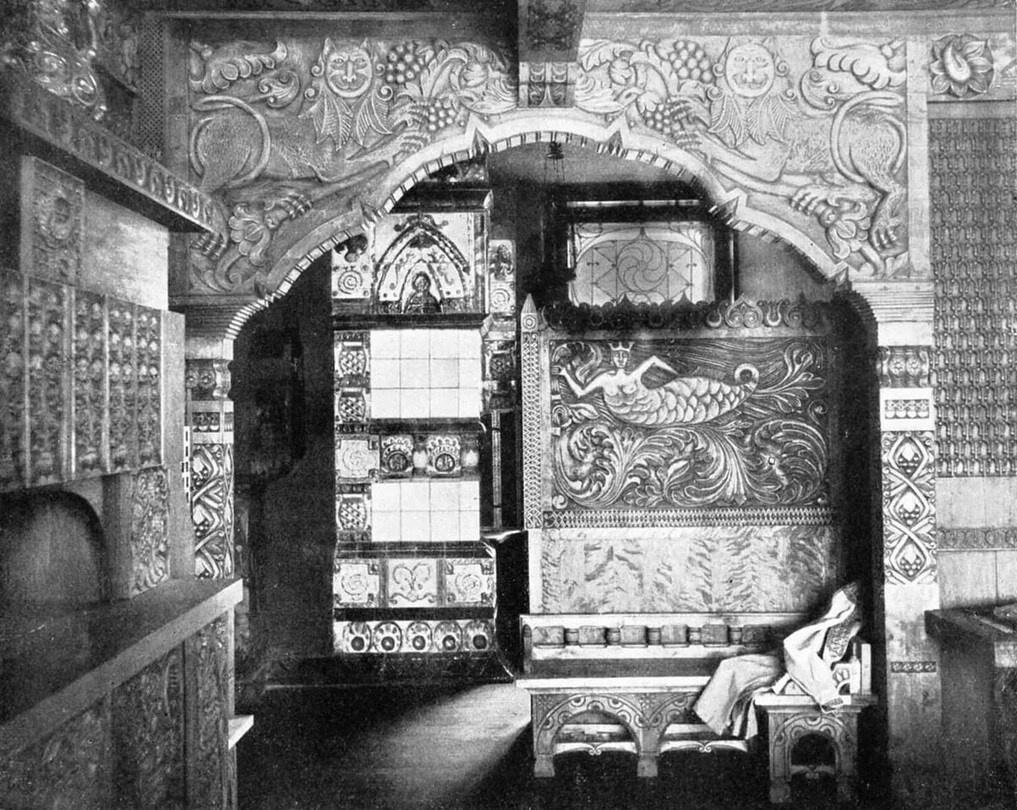
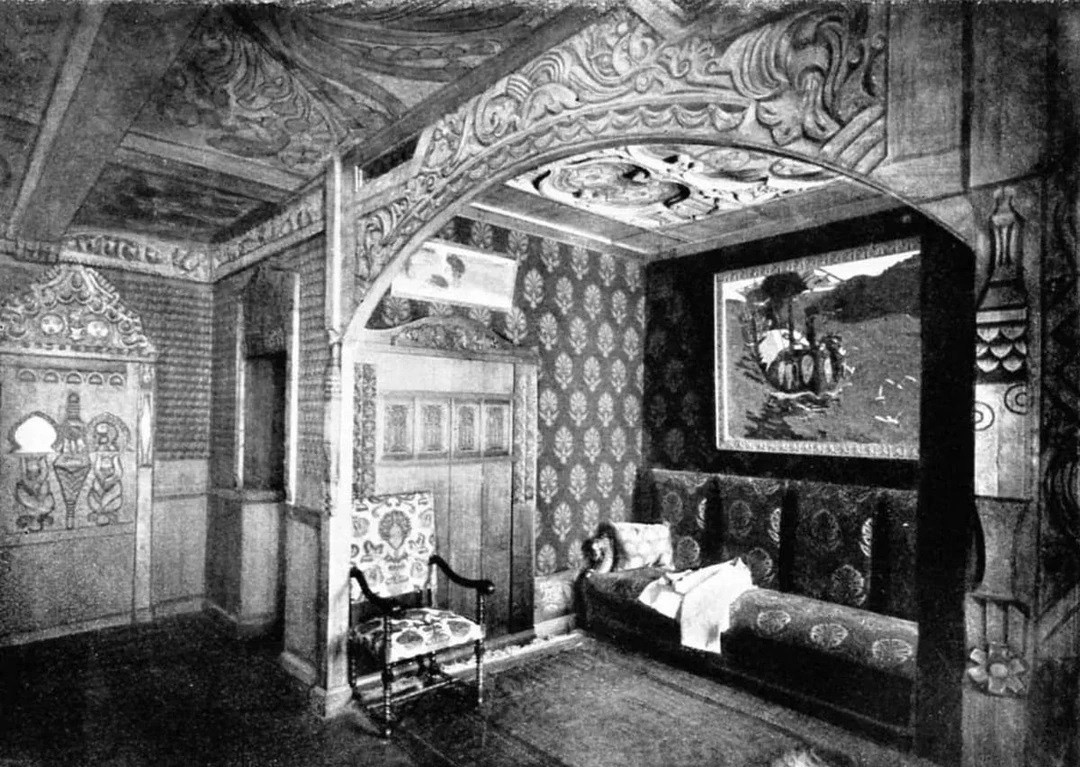
The interiors were also decorated in Russian style with an abundance of carved wooden elements made by artisans from the Nizhny Novgorod province. The dining room featured oak paneling, majolica mosaics, arches and carved corrugated birch cornices.
The house was nicknamed the “Fairy Tale House” for its whimsical shapes, colorful majolica and fairy-tale theme.